
TUSCANY WEDDING PHOTOGRAPHY GUIDE FOR DESTINATION COUPLES
We photograph ten weddings a year from our base in Portugal, and our work has been published in British Vogue, Vogue Arabia, and Tatler. This Tuscany wedding photography guide explains how the region's distances, landscape, and light shape a wedding day, so you can choose a base, a season, and a schedule before you choose a photographer.
It is written for couples planning a full wedding with guests. For the national picture, including the legal route and booking windows across the country, read our guide to a destination wedding photographer in Italy.
What Should You Know Before Planning Tuscany Wedding Photography?
Tuscany is spread over many hills and several provinces, so the base you choose matters more than any single venue. Fiesole, Volterra, and Cinigiano sit in three different parts of the region, and a wedding that starts in one and sends guests to another loses hours of the day to the road.
For photography, that means two decisions come first. The first is where the ceremony and dinner happen, ideally within a short walk or a short drive of each other. The second is the hour of the ceremony, because the hours either side of it decide how much good light remains for portraits and dinner.
Which Part of Tuscany Suits Your Wedding?
The right part of Tuscany is the one that matches your guest list, your travel plans, and the setting you want behind the ceremony. These are the areas couples most often compare, with one example venue for each. The venues are examples, not a ranking.
Florence and the Fiesole Hills
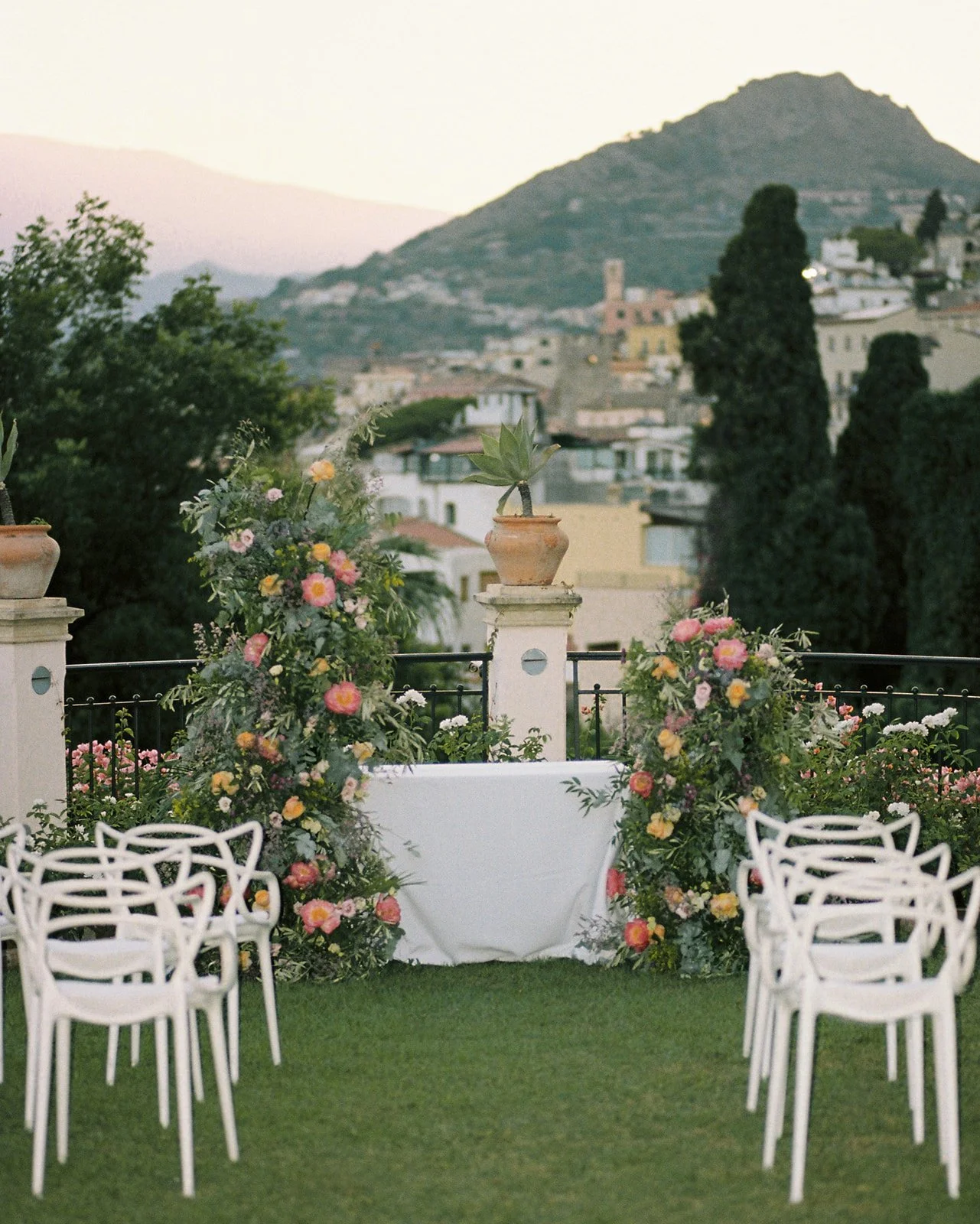
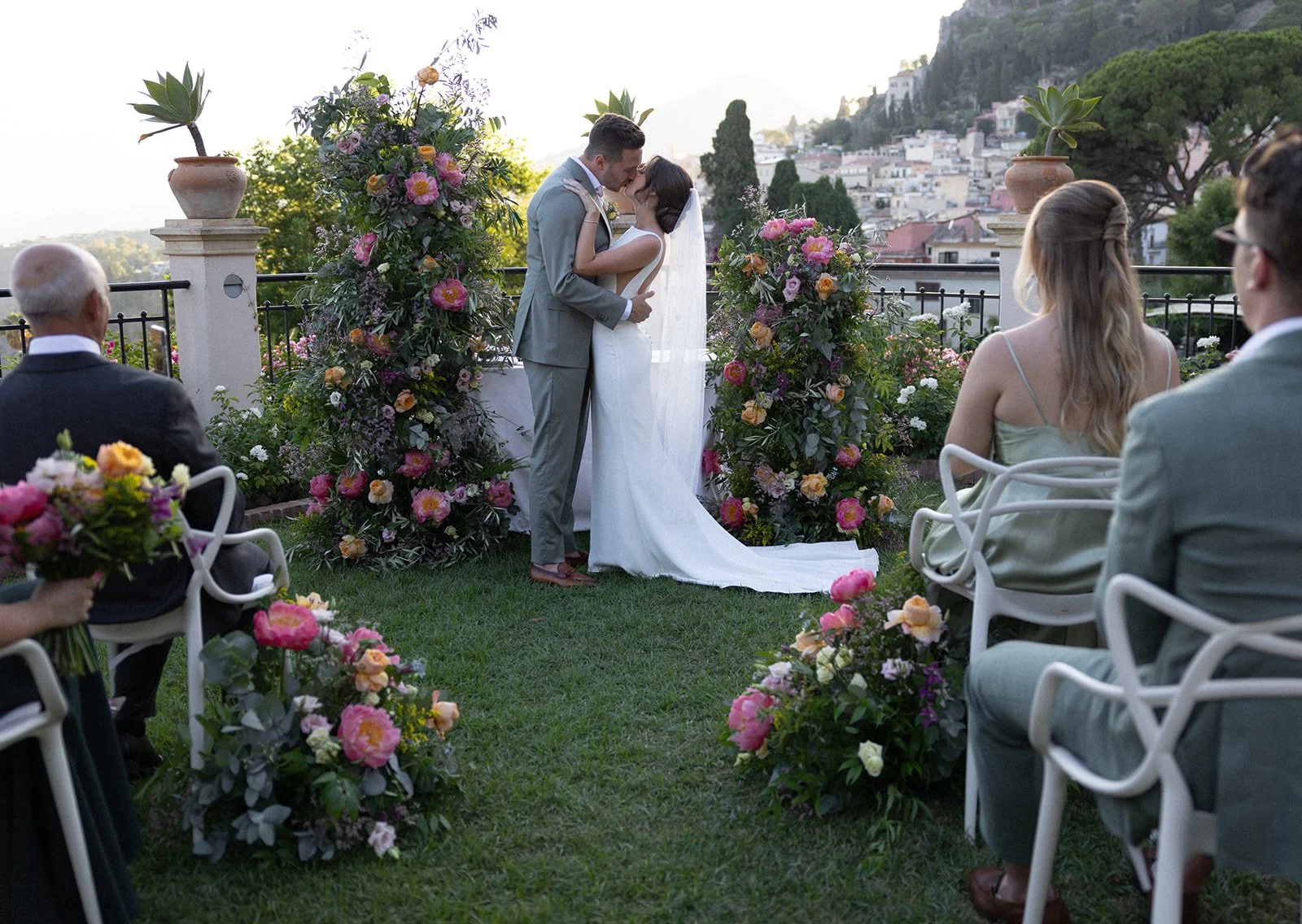
The Florence area suits couples who want a city, an international airport, and a garden setting within one short journey. Villa San Michele, a Belmond hotel in the Fiesole hills, is a former 15th-century monastery with terraced Italian gardens. The venue features a panoramic terrace overlooking Florence, where couples can exchange vows as the sun sets behind the Duomo.
That detail shapes the schedule. A ceremony timed to the sunset needs portraits planned before it, so the couple's portraits are not left to fading light after the guests have moved to dinner.
Volterra and San Gimignano
The hill towns suit couples who want a village setting and a quieter itinerary. Borgo Pignano stands between Volterra and San Gimignano, in a fortified village first documented in 1139, when it passed to the bishop of Volterra. The main villa dates mainly from the 19th century, so ask the venue which rooms are available if the light changes.
Val d'Orcia
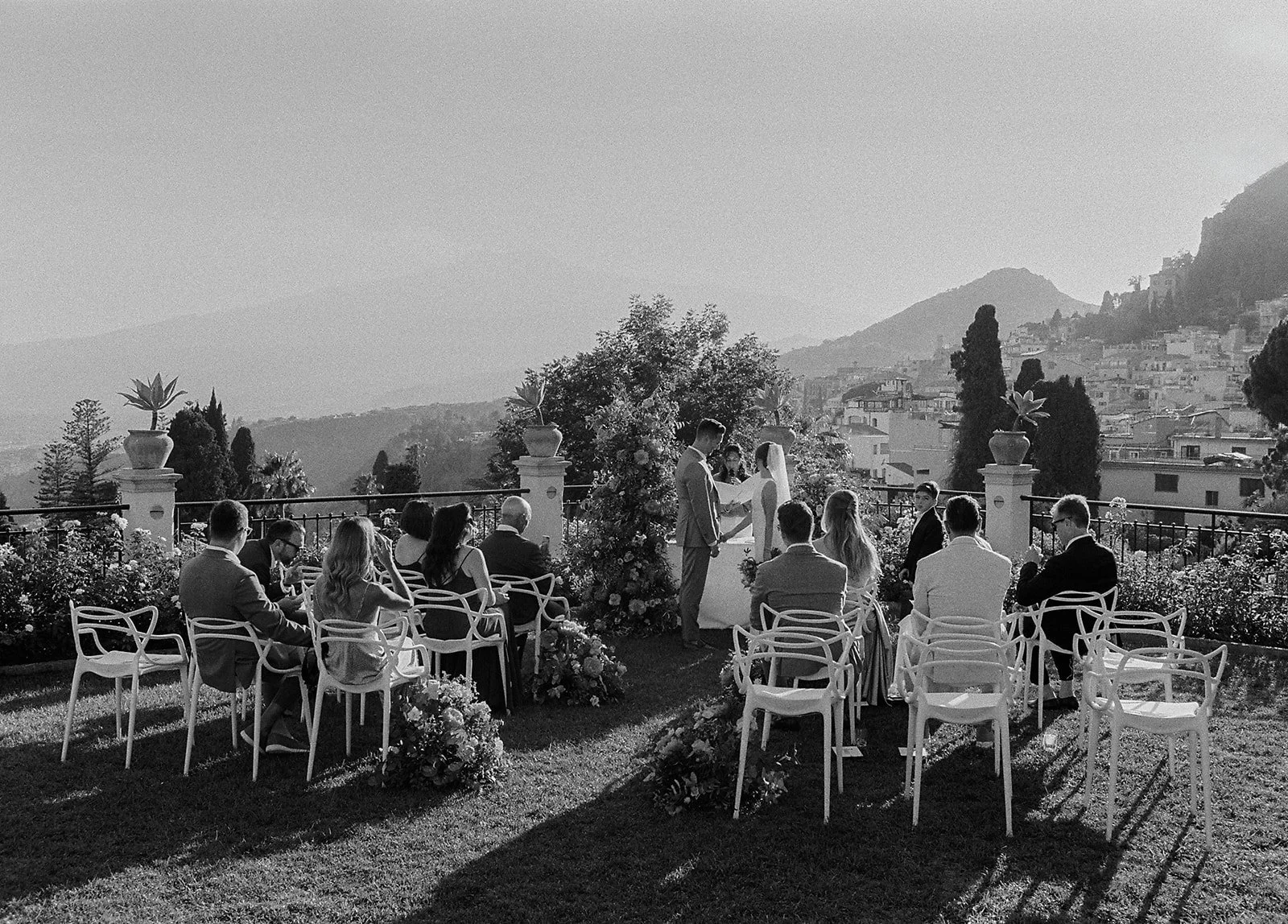
Val d'Orcia suits couples who want open landscapes and a long view. It is a UNESCO World Heritage landscape, inscribed in 2004, shaped by flat chalk plains with almost conical hills topped by fortified settlements. The area includes Pienza, Montalcino, San Quirico d'Orcia, and Monticchello. Open hills mean few places to shelter from midday sun, so the ceremony hour matters more here than almost anywhere else in the region.
Maremma and Grosseto
The Maremma suits couples who want a rural estate setting. Castello di Vicarello is a medieval castle in the comune of Cinigiano, in the province of Grosseto, and is operated as a hotel and farm. The distance from Florence is part of the plan here, so allow time for the journey for guests and for the photographer.
Lucca
Lucca suits couples who want a walkable city. Its defensive walls became a pedestrian promenade, and each of the four main sides is lined with a different tree species. For photographers, a tree-lined route offers shade when the sun is high, which is useful for portraits outside the golden hours.
How Does the Light Behave in Tuscany Through the Year?
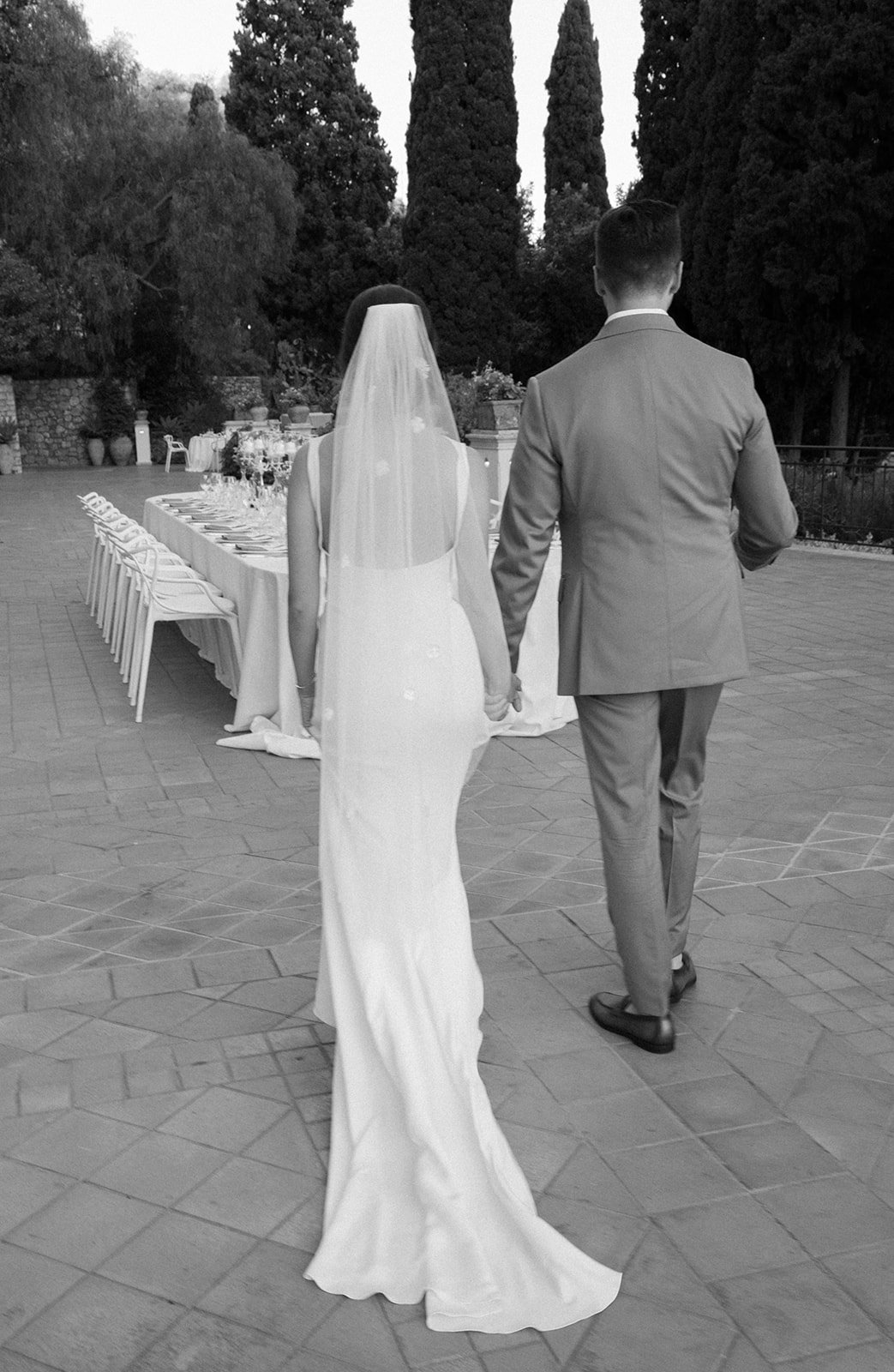
September and October are the best months for wedding photography in Tuscany, because the sun sits lower and the light turns warm earlier in the afternoon. Midsummer light is harder: from late morning to late afternoon the sun is high, shadows are short, and open hills give little cover.
In April and May the hills are green, and the light is softer, but weather is less settled, so a plan for rain matters. By late summer the fields dry to gold, which changes the color of the landscape behind a ceremony. We shoot every wedding in an editorial style without artificial filters, so the landscape in your photographs looks the way it looked on the day.
How Should You Build the Timeline for a Tuscan Wedding?
Build the day around the transfer and the last hour of light. In summer, we recommend a ceremony in the late afternoon and portraits in the hour before sunset, with dinner after. In autumn, the ceremony can move earlier because the light turns warm sooner.
Three planning rules apply in every part of the region. Keep family groups to a single location and a short window. Fix a departure time for any transfer between venues. Agree on an indoor location for portraits in advance, so a change in weather changes the setting and not the schedule.
What Does the Legal Side of a Tuscan Wedding Require?
A civil wedding in Italy is legally binding for foreign couples, and the documents depend on your nationality, so confirm the list with your consulate and the local town hall before you set a date. Many couples complete the legal marriage at home and celebrate in Tuscany. We cover the routes and the typical paperwork in our guide to a destination wedding photographer in Italy. We are photographers, not legal advisers.
When Should You Book a Photographer for a Wedding in Tuscany?
Book the venue first and the photographer immediately after, twelve to eighteen months before your date. Popular Tuscan dates in May, June, September, and October fill early, and our calendar is limited to ten weddings a year.
If you are comparing regions of Italy before you decide, our Sicily wedding photography guide and our Lake Como wedding photography guide set out the same planning questions for those areas.
How Do You Choose a Tuscany Wedding Photographer?
Choose a photographer whose full galleries show the kind of day you are planning and who plans for light, travel, and weather. Ask to see an entire wedding at a comparable venue rather than a highlight reel, and ask how the photographer would handle the distance between your ceremony and your dinner.
Frequently Asked Questions
How much does a Tuscany wedding photographer cost?
Wedding photography with The Lopes Photography starts from €10,000. That figure reflects full preparation, travel to Italy, and a limited calendar of ten weddings a year rather than an hourly rate. Prices across the Tuscan market vary widely, so compare what each photographer includes, from planning calls to the final gallery, before you compare totals.
How far in advance should we book a photographer for a Tuscany wedding?
Book twelve to eighteen months before your date, and as soon as your venue is confirmed. Popular Tuscan dates in May, June, September, and October fill first, and our calendar is limited to ten weddings a year. If your date is flexible, ask us about the shoulder weeks in April and early November.
What is the best month for a wedding in Tuscany?
September and October are the best months for wedding photography in Tuscany. The sun sits lower, the light turns warm earlier in the afternoon, and the fields have dried to gold. May and June are the next best choice, with longer evenings but harder light around midday, so a late-afternoon ceremony works best.
Which part of Tuscany is best for a destination wedding?
The best part is the one that keeps the day within a short distance. Choose the Florence area for airports and city access, the hill towns around Volterra and San Gimignano for village settings, Val d'Orcia for open landscape, or the Maremma for a rural estate. Keep the ceremony and dinner close together in every case.
What makes The Lopes Photography different for a Tuscany wedding?
We photograph only ten weddings a year and shoot in an editorial style without artificial filters. We plan each day around light, travel, and weather, and we travel to Italy from our base in Portugal. Our work has been published in British Vogue, Vogue Arabia, and Tatler, and every booking gets our full preparation.
Tuscany offers an unusual range of settings for a wedding with guests, and the strongest plans start with the base and the timeline rather than the guest list alone. We photograph a limited number of weddings each year, and our work has been published in British Vogue, Vogue Arabia, and Tatler. Read about our approach to destination wedding photography, or get in touch and tell us your date and the part of Tuscany you are considering.
