
WHY EXPERIENCE MATTERS MORE THAN PORTFOLIO ALONE
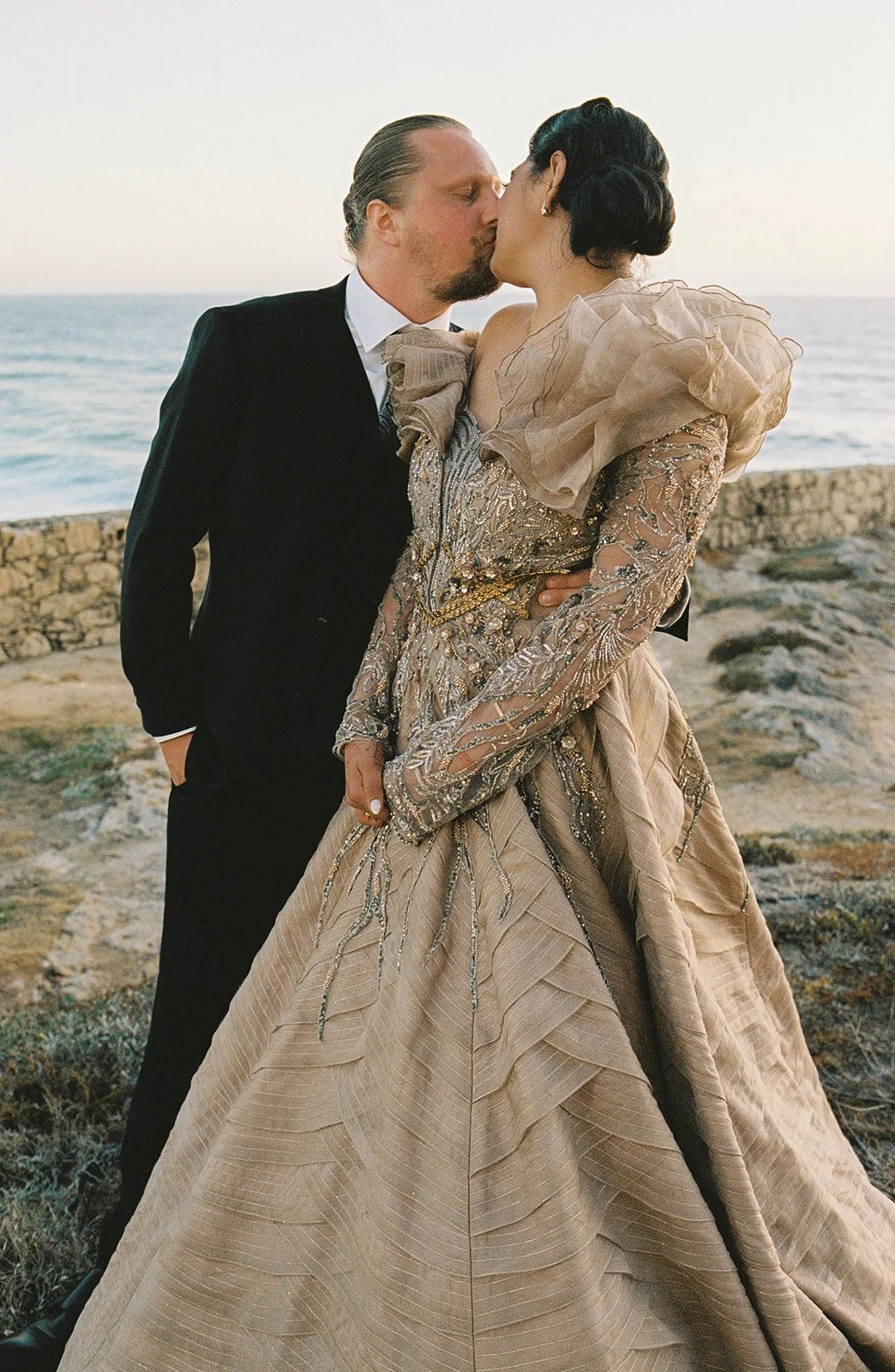
After photographing more than sixty weddings across Portugal, Italy, and France, and having our work published in British Vogue, Vogue Arabia, and Tatler, we work with ten couples a year. That limitation is deliberate. It means that every wedding receives the preparation, presence, and editing time it deserves. One of the things we have learned from that volume of real work is this: a photographer's experience and their portfolio are not the same thing, and when couples conflate the two, they often make a decision they later regret.
Wedding photographer experience vs portfolio is one of the more subtle distinctions in this market. A portfolio shows you what a photographer is capable of under favorable conditions. Experience determines what they do when conditions are not favorable, which is most of the time.
Portfolio vs Experience: What Each Actually Shows
A portfolio is a curated selection. It shows a photographer's visual sensibility, their aesthetic point of view, and their ability to make a compelling image when everything aligns: good light, a cooperative couple, a venue they know well, and weather that cooperated.
What a portfolio cannot show you is how a photographer responds when the ceremony starts forty minutes late and the golden hour light you planned for has disappeared. It cannot tell you what they do when the venue coordinator moves your portraits from the garden into a poorly lit corridor because it started to rain. It cannot reveal whether they have the technical fluency to make a genuinely strong image in a vaulted stone interior at 9 pm with no supplemental light.
These are the situations that define the photographs you actually get. Every wedding contains several of them.
When browsing portfolios, look for consistency across many different weddings rather than a handful of exceptional images. Any photographer can produce something striking on a day when everything works. What you want to see is the same quality of judgment, attention, and visual intelligence across different couples, different venues, and different lighting conditions over years of real work. That coherence only comes from accumulated experience in the field, not from a well-curated archive.
How Real Experience Changes What Is Possible
A photographer with significant experience in a specific region has spent years solving the problems that region presents. They know which time of day the light at a particular venue becomes genuinely useful. They know where the shadows fall at 5 pm in October. They know which part of a historic garden reads clean in a frame and which part is cluttered by infrastructure the venue has never managed to conceal.
This knowledge cannot be prepared from research alone. It comes from being there, repeatedly, under real conditions, with real couples whose day cannot be reset or adjusted in post.
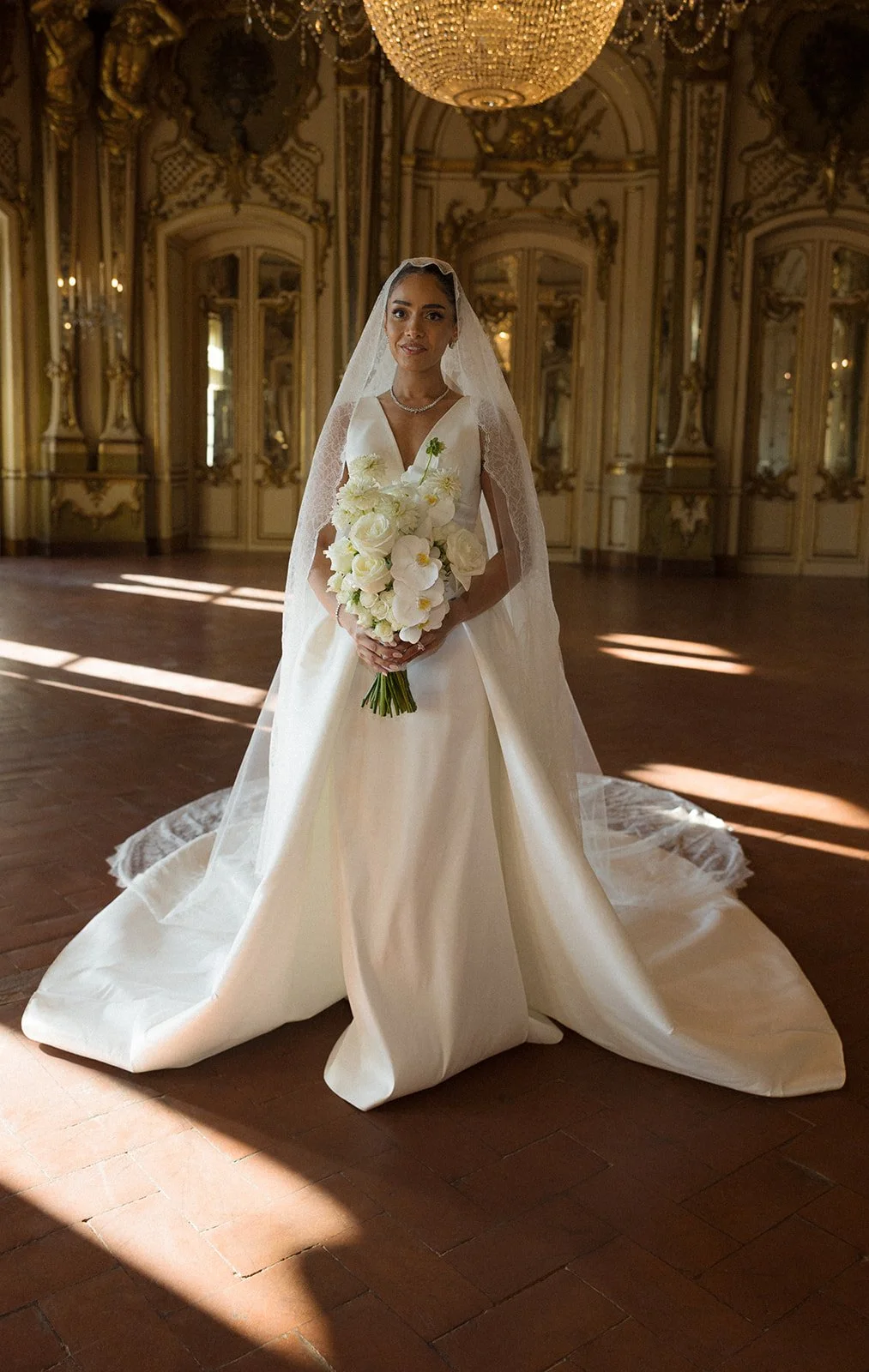
For couples getting married at a historic palace in Portugal, the difference between a photographer who has worked there before and one visiting for the first time is the difference between someone who already knows which room produces a specific quality of late-afternoon light and someone spending the first thirty minutes of your portrait session figuring it out. Those thirty minutes matter. At a palace like Palácio de Queluz, the light in the gilded state rooms changes meaningfully across a ninety-minute window in the afternoon. A photographer who has worked there before knows how to position a portrait to use that light. A photographer discovering the venue during your wedding will approximate.
Reading a Venue Before the Day Begins
Before a wedding, experienced photographers do something that goes beyond reviewing floor plans and online galleries: they think through the day as a sequence of lighting problems to be anticipated and solved.
What direction does the ceremony site face? What time does the shadow from the main building fall across the aisle? If portraits are scheduled for 6 pm and the best light arrives at 7:30 pm in late September, which part of the estate catches the directional sun first and allows for a useful twenty-minute window?
These questions sound technical. They produce photographs that feel natural and inevitable rather than compromised by circumstance. Answering each one requires either prior experience at that venue or a level of on-site research that most photographers do not undertake for every booking.
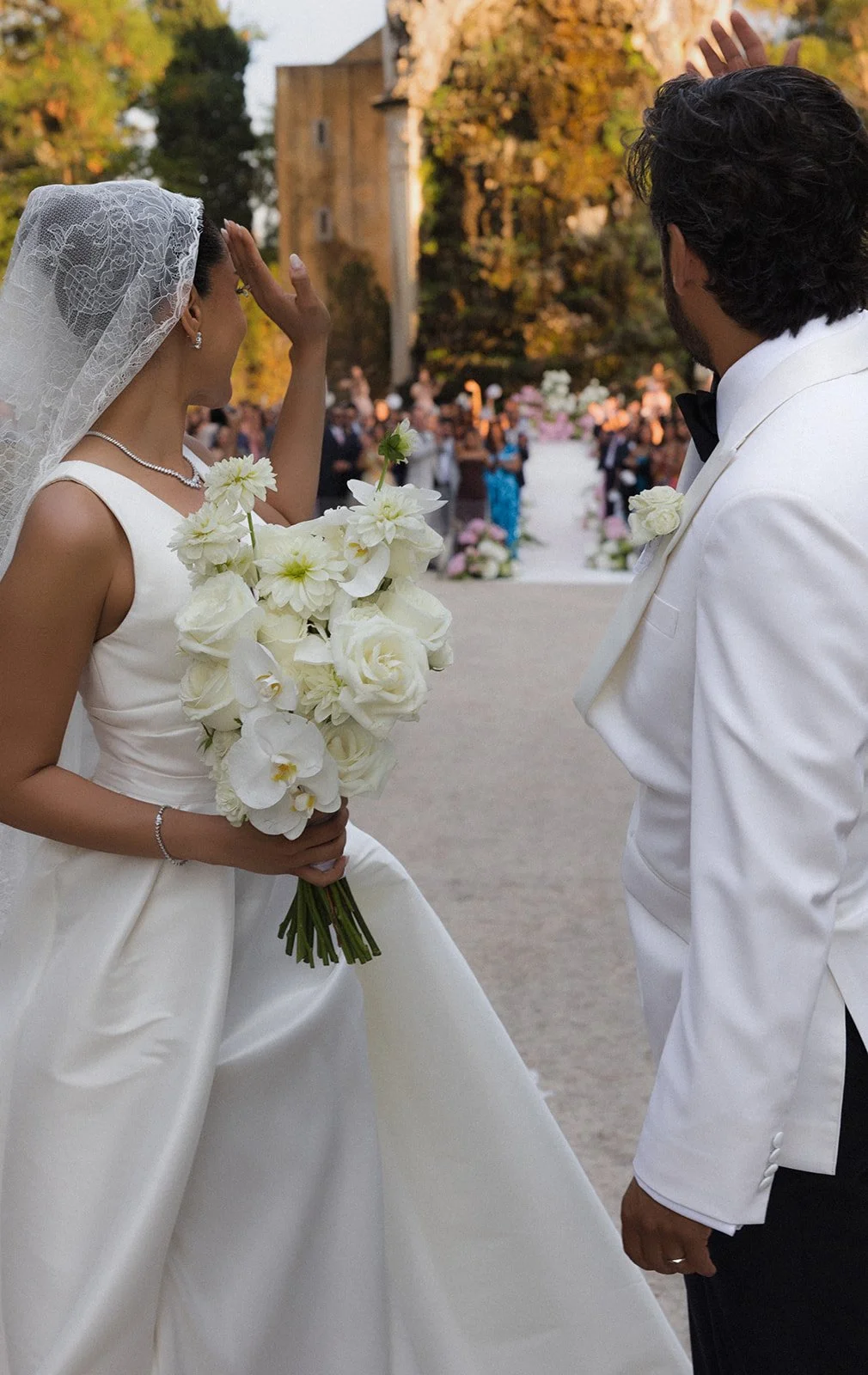
When you ask a photographer whether they have worked at your specific venue before, follow up by asking what the light is like there and how they approach it. Vague or general answers are useful information: they suggest the venue is familiar only in the abstract. Specific answers, particularly ones that describe seasonal or hourly variation, suggest the kind of preparation that affects what you get on the day.
Managing the Unpredictable
A wedding day is not a controlled environment. Timelines shift. Family members take longer than expected. A guest decides the portrait session is the right moment for an extended conversation with the couple. Weather changes.
How a photographer responds to these moments is entirely a function of experience. There is no other source for it. The instinct to reframe when a location changes, to compress a portrait session without losing its quality, to read the room and know when the couple needs five minutes of quiet rather than another direction: these come from having been in similar situations before, not from having seen a lot of strong work.
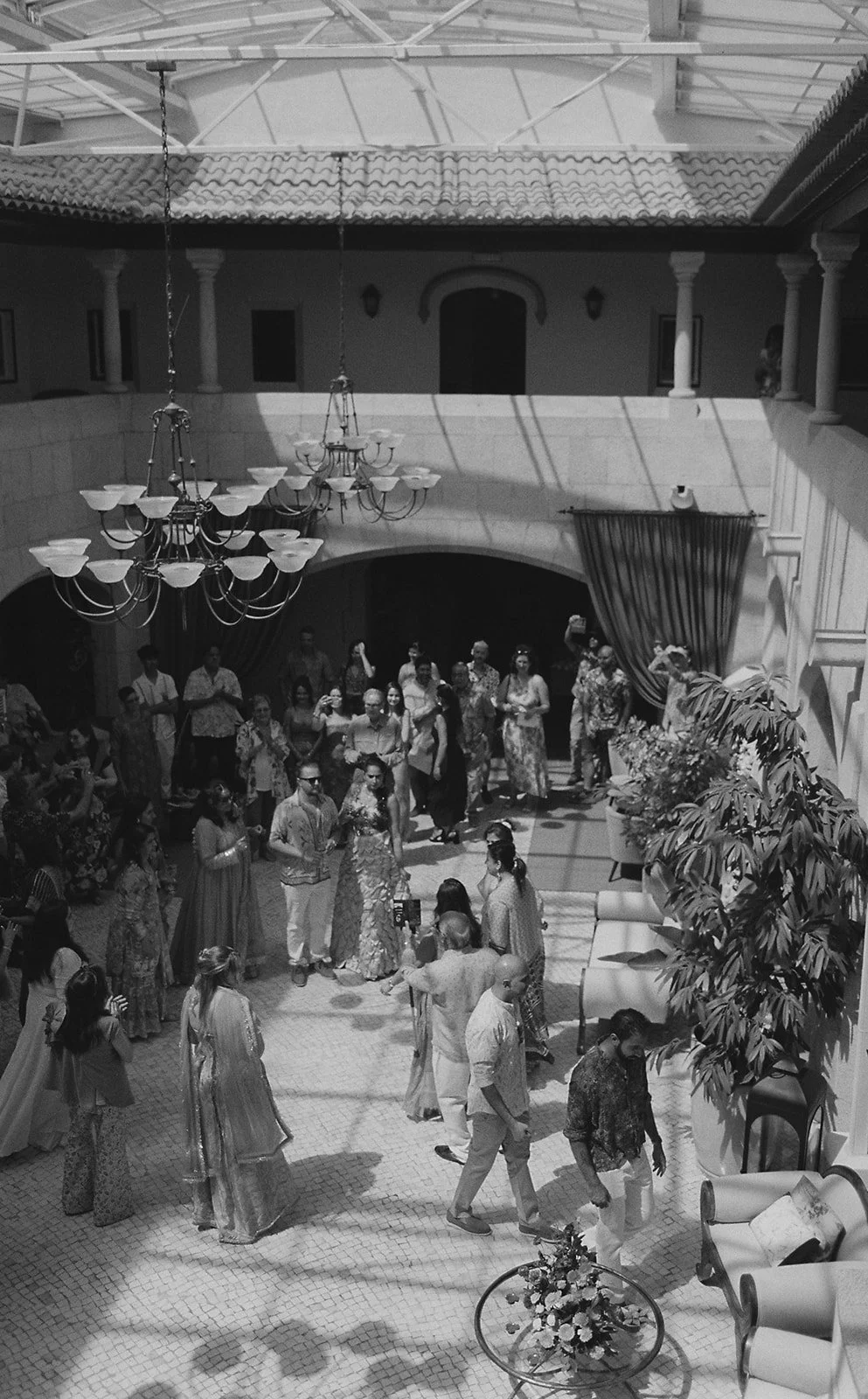
When you meet photographers, pay attention to whether their answers about handling difficulty are specific or general. A photographer who has genuinely solved a compressed timeline or an unexpected venue change will tell you what they did and how it turned out. A photographer who answers in general terms, however confident, is describing a situation that is still theoretical to them.
The Questions Worth Asking Beyond the Portfolio
Most couples spend the majority of their evaluation time on portfolios. The portfolio is the right starting point. It is not the right ending point.
More useful questions: How many times have you worked at this specific venue, or in this region? Describe the light at this venue and how you approach it. What do you do when a portrait session loses its planned location at the last moment? How do you structure your day when the ceremony runs significantly late?
A photographer with real experience in your region and venue type will answer these questions with specificity and without hesitation. The answers reveal what the day will actually feel like when something does not go to plan, which is different from what the portfolio shows you.
The portfolio shows you what a photographer produces. These questions reveal what they are capable of when the day does not cooperate, which is the version of your photographer you will actually need. You can read more about our approach to preparation and the work itself on our Portugal wedding photography page, or find answers to common questions on our services page.
Frequently Asked Questions
Is a photographer's experience or their portfolio more important when choosing a photographer for a destination wedding?
Both matter, but for different reasons. The portfolio shows you a photographer's visual sensibility and aesthetic point of view. Experience determines how well they perform when conditions are not ideal, which describes most wedding days. A strong portfolio without depth of real experience in your type of venue and region is a reliable indicator of how a photographer works at their best. It does not reliably predict what you get when the day does not go to plan.
What counts as relevant experience for a destination wedding photographer?
Relevant experience is specific: experience at your venue or in the same type of setting, in the same region, in the same season, with the same general scale and complexity of event. A photographer who has documented forty weddings in similar formats has significant experience. That experience may not transfer cleanly to a multi-day Indian destination wedding at a historic oceanfront property in Portugal if they have never worked in that environment before.
How far in advance should we book a wedding photographer in Portugal?
For peak-season dates between May and October, booking fourteen to eighteen months in advance is realistic for photographers who limit how many weddings they accept each year. For dates outside the peak season, nine to twelve months is generally sufficient. The earlier you reach out, the more likely you are to have a genuine conversation about your day before any date is committed to.
What should we look for in a photographer's portfolio beyond the aesthetic?
Look for consistency across many different weddings rather than a peak-performance selection. Look for work in venues similar to yours and in lighting conditions similar to what you expect on your day. Look for images from the quieter, less obviously photographable moments of a wedding day: the transitions, the candid exchanges, the time before everything is polished. These reveal how a photographer thinks and sees when they are not working with ideal subjects and ideal light.
What does The Lopes Photography charge for a destination wedding in Portugal?
Full-day coverage starts from EUR 10,000. We work with ten couples a year across Portugal, Italy, and France, with work published in British Vogue, Vogue Arabia, and Tatler. Each wedding receives the same level of preparation and attention regardless of venue or format. You can contact us directly to tell us about your wedding.
If what you are reading here reflects how you think about your photographs, we would be glad to hear from you. After more than sixty weddings across Portugal, Italy, and France, with work published in British Vogue, Vogue Arabia, and Tatler, we work with ten couples each year and bring the same preparation to every day. Full-day coverage starts from EUR 10,000. Tell us about your wedding and we will respond within 48 hours.
