
CIVIL VS SYMBOLIC WEDDING IN PORTUGAL FOR FOREIGN COUPLES
Planning a wedding in Portugal usually starts with one deceptively simple question: do you want to be legally married in Portugal, or do you want the experience of a wedding in Portugal without the legal paperwork happening there?
For many international couples, that choice affects much more than documents. It shapes your planning timeline, the flexibility of your wedding day, the amount of bureaucracy you need to handle before travel, and how relaxed the experience feels once you arrive.
From a destination photographer’s perspective, this decision matters because it changes the structure of the day. A civil wedding often comes with more administrative steps and less flexibility. A symbolic ceremony usually gives couples more control over timing, location, and atmosphere.
If you are planning from the US, UK, Canada, or Australia, this guide will help you understand the real difference between a civil vs symbolic wedding in Portugal, and which option tends to make the most sense depending on how you want the day to feel.
If you are already planning your wedding in Portugal and want photography that balances calm guidance with an editorial point of view, explore our Portugal destination wedding photographer page.

The format you choose changes more than the paperwork.
Why This Decision Matters
This is not only a legal question. It is a planning and experience question.
In Portugal, marriage is only legally valid once it is registered through the civil registry process, and the official formats recognized by the process are civil, Catholic, or civil in a religious form. Portuguese government guidance also states that, in all cases, marriage is only valid when it is registered in the civil registry.
That matters because couples often assume a beautiful ceremony in Portugal automatically means a legal marriage in Portugal. It does not. A symbolic ceremony may look identical to guests, but it does not replace the legal civil registration process.
From a wedding-day standpoint, this decision affects:
how early do you need to start administrative preparation
how rigid or flexible your ceremony timing can be
whether your venue and celebrant setup can be fully tailored
how much mental energy goes toward paperwork before the trip
For most destination couples, the real question is not “which is more romantic.” It is: do we want legal administration in Portugal, or do we want Portugal to be the place where we celebrate?
What International Couples Need to Know First
If you are a foreign couple, Portugal does allow marriages involving foreign nationals, but the process is formal.
Portuguese government guidance states that a foreign person marrying in Portugal must prove that they are free to marry, and that this proof is made through a certificate of matrimonial capacity issued by the competent authority in their home country, dated within the previous six months.
The Portuguese marriage process also requires couples to indicate the marriage format, location, date, time, and marital property regime when opening the process, and the core identification documents for foreign nationals include a residence permit, passport, or equivalent identification document.
Portugal’s official guidance further says that the process should be started at least one month before the planned date, and once the marriage is authorized, the couple has up to six months to marry.
For British couples, GOV.UK says you must follow the process in the country where you are marrying, and specifically notes that for marriage in Portugal, UK residents in Portugal or another country outside the UK do not need a CNI for marriage in Portugal.
For Canadian couples, Canada’s travel guidance notes that overseas marriage requirements can include documents such as a passport, birth certificate, marriage search letter, single status affidavit, certificate of non-impediment, divorce certificate, or death certificate, depending on the country’s rules.
That is the key planning reality: Portugal is possible, but not casual.
Check our blog post about How to plan a destination wedding in Portugal
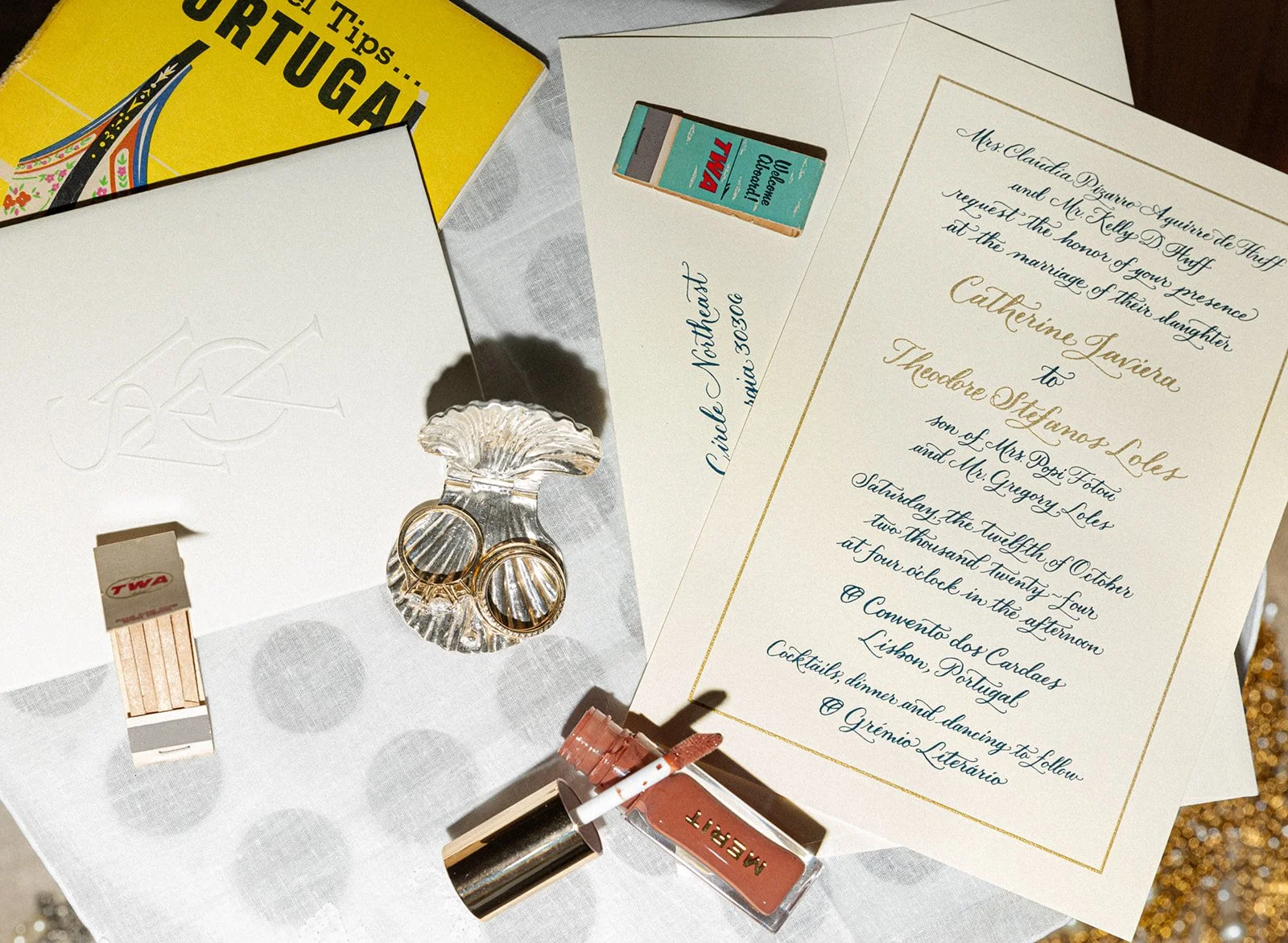
For international couples, the paperwork decision shapes the entire planning tone.
Civil Wedding in Portugal: What It Usually Means
A civil wedding in Portugal is the option couples choose when they want the legal marriage itself to take place in Portugal.
Under official Portuguese guidance, when starting the marriage process, the couple must indicate the marriage modality, and the listed modalities are civil, Catholic, or civil under religious form. The process and registration cost 120 euros, with possible additional costs for weekends, holidays, or a prenuptial agreement.
What a civil wedding often gives you
your legal marriage happens in Portugal
your marriage is registered through the Portuguese system
you can align the legal act and celebration in one destination experience
What it often requires
more document preparation
earlier administrative coordination
less room for last-minute changes
more dependence on registry timing and compliance
For some couples, that tradeoff is worth it. They want the legal and emotional moment to happen in the same place. For others, it introduces friction that does not improve the guest experience or the wedding-day atmosphere.
Symbolic Wedding in Portugal: What It Usually Means
A symbolic wedding in Portugal is generally the better fit for couples who want the experience of marrying in Portugal without making Portugal the place where the legal registration happens.
Portugal’s official marriage guidance only lists civil, Catholic, and civil under religious form as the recognized legal marriage modalities, and states that marriage is only valid when registered in the civil registry. That means a symbolic ceremony, however beautiful, is not itself the legal act of marriage in Portugal.
In practice, many destination couples handle the legal marriage in their home country and keep Portugal for the meaningful ceremony, design, guest experience, and photographs.
What a symbolic wedding often gives you
more freedom with ceremony location and structure
more control over timing for light and guest comfort
less paperwork pressure tied to the travel schedule
a calmer destination experience overall
What it does not give you
legal marriage registration in Portugal
automatic replacement for civil paperwork back home
For many foreign couples, symbolic does not mean “less real.” It simply means the legal step and the celebration happen separately.
If you are still deciding between a legal civil marriage and a symbolic ceremony in Portugal, this is the part couples usually need to hear explained out loud. The difference is less about aesthetics and more about how much flexibility, paperwork, and structure you want attached to the wedding experience. In the video below, we break down how this decision tends to affect planning, timing, and the atmosphere of the day.
Once that distinction is clear, the next question becomes practical: how does each option actually change the way the wedding day feels?
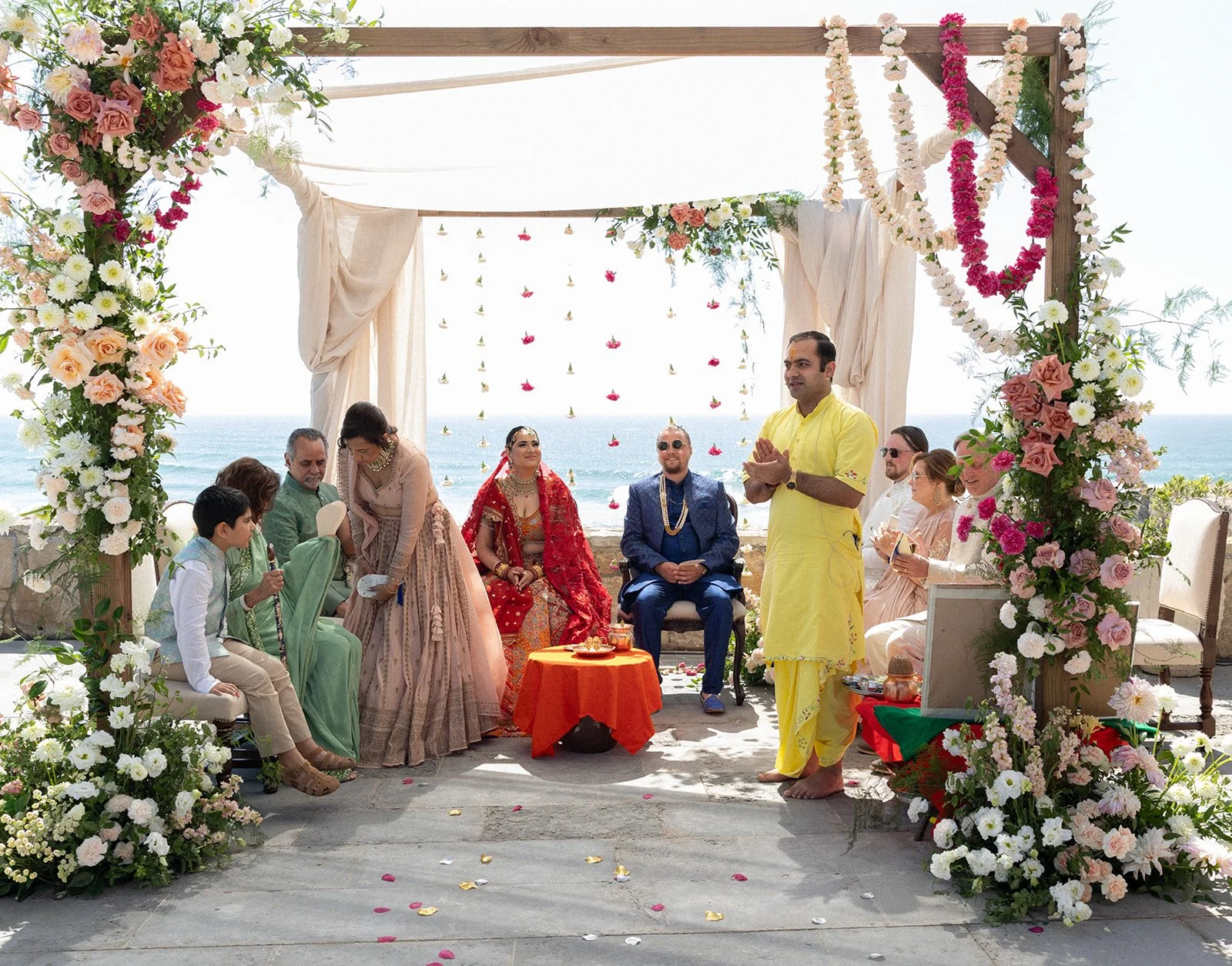
Symbolic often offers the most freedom without changing the significance of the day.
Key Considerations Before You Choose
Timing and seasonality
In destination weddings, ceremony timing is never only a legal issue. It affects temperature, guest comfort, and the quality of the photographs.
A symbolic ceremony usually gives you more freedom to place the ceremony closer to the best light. A civil structure may limit that flexibility depending on administrative timing and logistics.
If you are marrying in Portugal during high summer, that flexibility matters even more.
Logistics and travel
A civil wedding usually creates a longer admin runway before the wedding. That may mean more document coordination with your home country, apostilles, or certified paperwork, depending on nationality, and stricter sequencing before the date. The exact document set can vary by nationality and civil status, which is why official national guidance often directs couples to confirm the country-specific requirements before proceeding.
A symbolic wedding is typically simpler from a travel and coordination standpoint because it separates legal compliance from the destination event itself.
Guest experience
Guests rarely care whether your ceremony is legally registered in Portugal that day. They care whether the ceremony feels personal, comfortable, and well-paced.
If a symbolic ceremony gives you a better hour, better flow, and a better guest experience, that may be the stronger choice even for couples who originally assumed “legal in Portugal” was the ideal.
Photography implications
This is the piece couples often underestimate.
The more rigid the structure, the harder it becomes to optimize for:
ceremony light
portrait timing
emotional pacing
space for private moments
smooth transitions between the ceremony, the cocktail hour, and the dinner
That does not mean a civil wedding photographs poorly. It means a symbolic ceremony often gives you more control over the conditions that make photographs feel elegant, natural, and unforced.
Budget realities
A civil wedding in Portugal is not automatically more luxurious or more valuable. It is simply more administrative. The official process itself costs 120 euros, with possible added fees in certain circumstances, but the higher cost is usually time, complexity, and planning bandwidth.
For many destination couples, symbolic is not a shortcut. It is a strategic simplification.

The best choice is often the one that protects the flow of the day.
How This Affects Your Wedding Day Experience
The simplest way to think about it is this:
Civil wedding in Portugal tends to feel:
more formal
more administratively loaded
more tied to compliance and sequence
Symbolic wedding in Portugal tends to feel:
more flexible
more design-led
easier to tailor around light, privacy, and atmosphere
For couples planning a celebration in Lisbon, Sintra, or the Algarve, that difference becomes very tangible. A symbolic ceremony often makes it easier to build a day that feels calm rather than compressed.
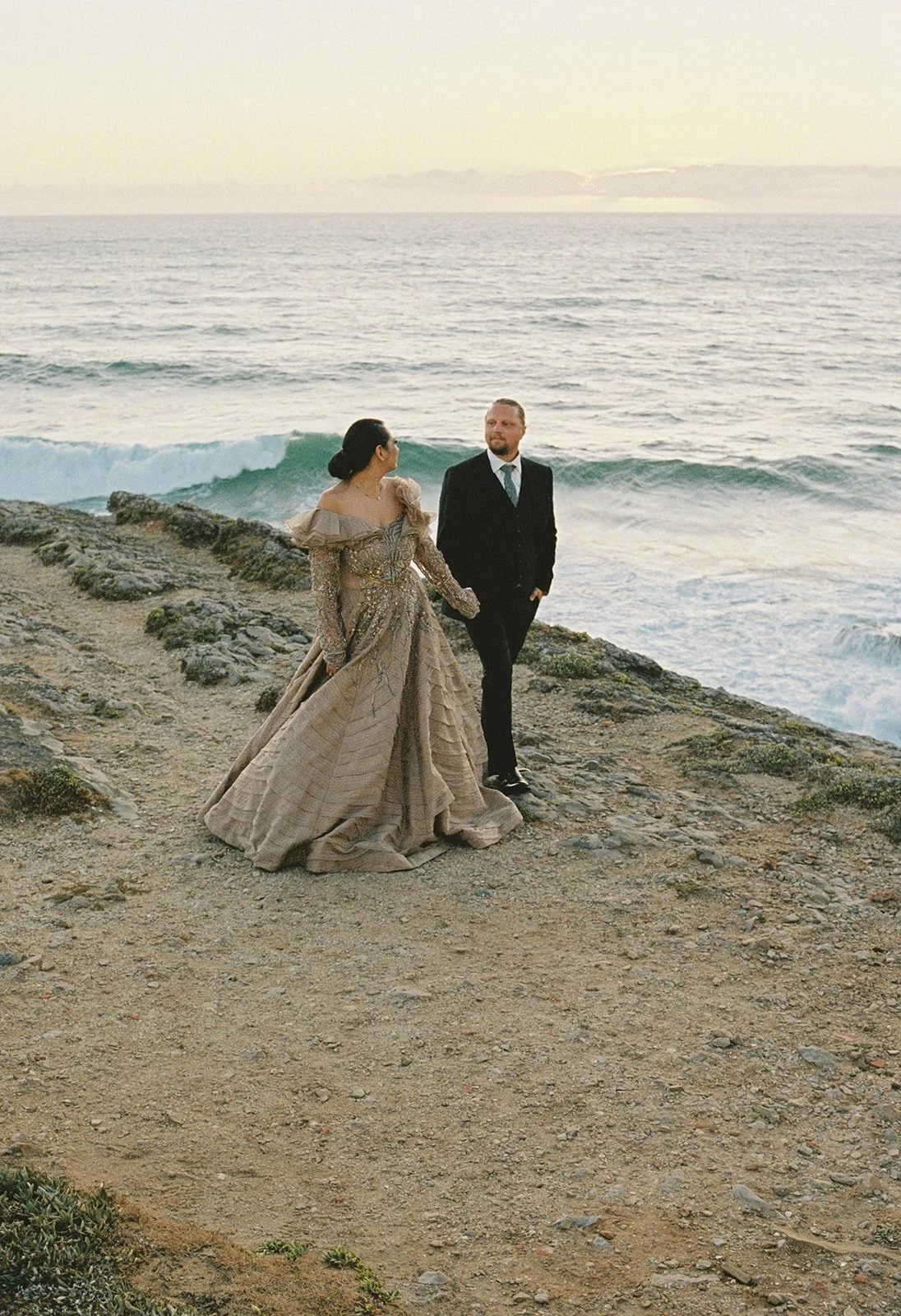
Light and timing are easier to protect when the day has room to breathe.
Common Mistakes Couples Make
1. Assuming a ceremony in Portugal is automatically legal
It is not. The legal validity comes through the civil registration process, not through the visual ceremony experience alone.
2. Choosing “civil” before understanding the document load
Some couples choose a civil marriage in Portugal because it feels more official, then later realize they would have preferred to keep the legal step at home and protect the destination experience.
3. Leaving the process too late
Official Portuguese guidance says the process should begin at least one month before the planned marriage date, and authorization does not stay open indefinitely.
4. Thinking symbolic means less meaningful
For many couples, symbolic is actually the more intentional option because it lets them create a ceremony around vows, guests, landscape, and timing without administrative pressure.
5. Planning the ceremony without considering photo conditions
A legally valid ceremony can still be beautiful, but if the timing is inflexible and the light is harsh, the visual experience changes. This is where early guidance matters.
How We Approach This as Destination Photographers
We do not treat this as a paperwork topic only. We treat it as a day-design decision.
Our role is not to give legal advice. It is to help couples understand how the choice between civil and symbolic affects:
timeline design
where pressure enters the day
where flexibility can be protected
how the ceremony will actually feel in photographs
how guest experience and portrait timing work together
In practice, many international couples are happiest when the legal step is handled simply, and the Portugal wedding remains focused on experience, design, and presence. But that is not universal. Some couples care deeply about having the legal marriage happen in Portugal, and in that case, the planning approach simply needs to be more structured from the start.
If you want a photographer who can help you think through timing, guest flow, and how your Portugal wedding will actually photograph, explore our destination wedding photography collections in Portugal.
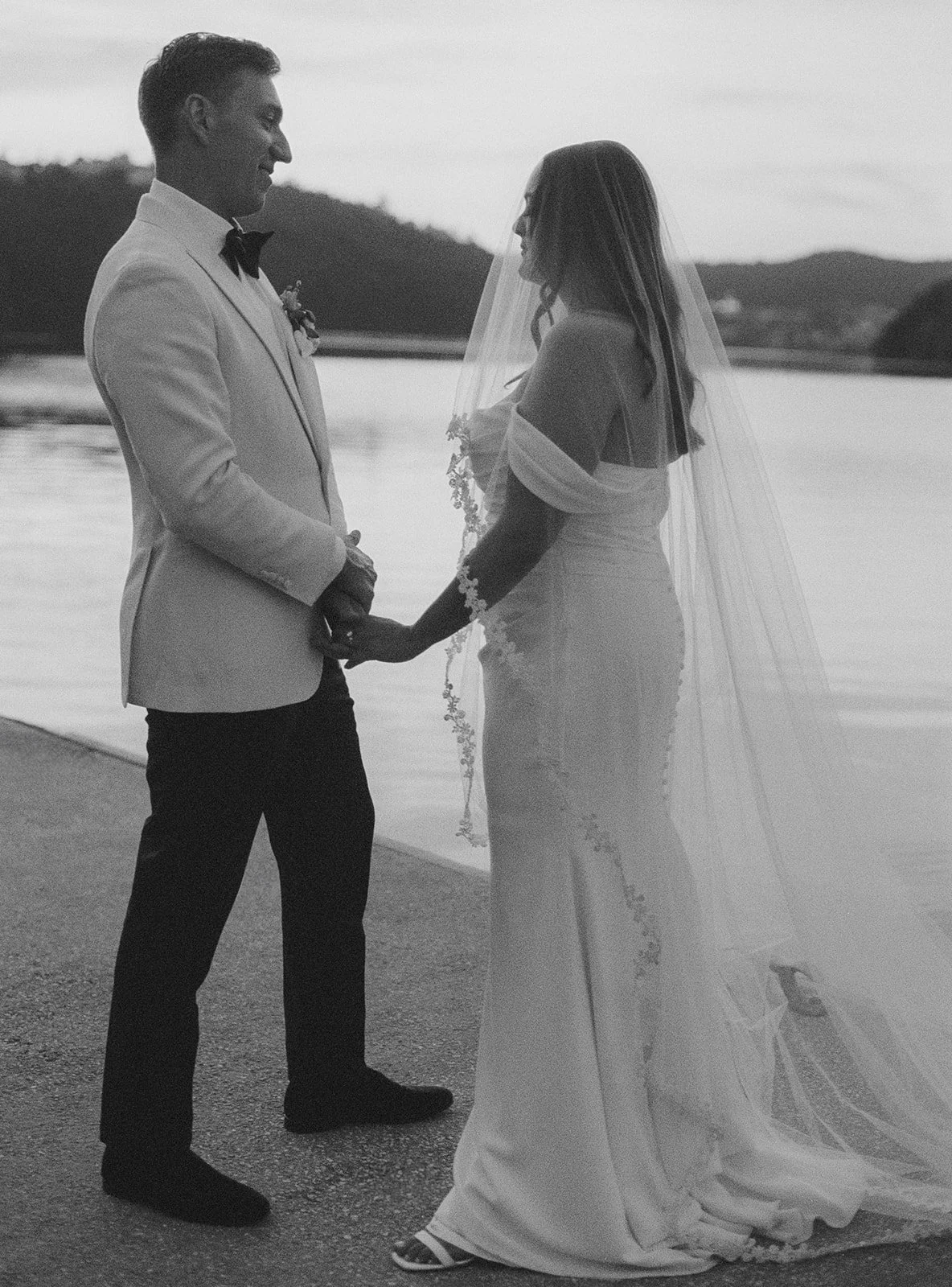
Experience matters most when the timeline needs both calm and direction.
Is a Civil or Symbolic Wedding in Portugal Right for You?
A civil wedding in Portugal may be right for you if:
you want the legal marriage itself to happen in Portugal
you are comfortable with admin and documentation
you prefer one integrated legal + celebration experience
your planning window is long enough to manage the process properly
A symbolic wedding in Portugal may be right for you if:
you want more flexibility and less bureaucracy
you care deeply about atmosphere, timing, and guest experience
you prefer to handle legal registration at home
you want Portugal to feel like the celebration, not the paperwork center
For most foreign couples, the strongest answer is the one that protects the overall experience, not the one that sounds most official on paper.
FAQ — Civil vs Symbolic Wedding in Portugal
Is a symbolic wedding in Portugal legally valid?
No. Portugal’s official guidance says marriage is only valid when it is registered in the civil registry, and the listed legal marriage modalities are civil, Catholic, or civil under religious form.
Can foreigners have a civil wedding in Portugal?
Yes. Portuguese guidance specifically addresses marriage involving foreign nationals, but the foreign person must prove they are free to marry, including a certificate of matrimonial capacity from the competent authority in their country, dated within the last six months.
How far in advance should we start a civil wedding process in Portugal?
Official Portuguese guidance says the process should be started at least one month before the intended date, and once authorized, the marriage must take place within six months.
How much does a civil wedding process cost in Portugal?
The official Portuguese marriage process and registration cost is 120 euros, with possible additional costs for things like weekends, holidays, or a prenuptial agreement.
What documents do foreign couples usually need for marriage in Portugal?
Portugal requires identification documents, and for foreign nationals that can include a residence permit, passport, or equivalent ID. A foreign partner must also prove legal capacity to marry. Additional documents can vary by nationality and marital history.
Do UK couples need a certificate of no impediment for marriage in Portugal?
GOV.UK says that if you are a resident in Portugal or another country outside the UK, you do not need a CNI for marriage in Portugal. Couples should still follow the Portuguese process and verify current requirements for their own circumstances.
Is a symbolic wedding better for destination wedding photography?
Often yes, because symbolic ceremonies usually allow more flexibility with timing, light, and flow. That is a planning judgment rather than a legal rule, but in practice it often leads to a calmer and more visually refined day.
Should we do the legal marriage at home first?
For many international couples, yes. It simplifies logistics and lets the Portugal wedding focus on experience. But if it matters to you that the legal marriage itself happens in Portugal, a civil wedding may still be the right fit.
Planning a Wedding in Portugal?
If you are deciding between a civil and symbolic wedding in Portugal, the strongest choice is usually the one that gives you clarity early and protects the experience of the day itself.
We photograph destination weddings in Portugal with an editorial approach that still leaves room for ease, movement, and emotional honesty. If you want guidance not only on how the day looks, but on how it should actually flow, start with our Portugal destination wedding photographer page and then inquire from there.
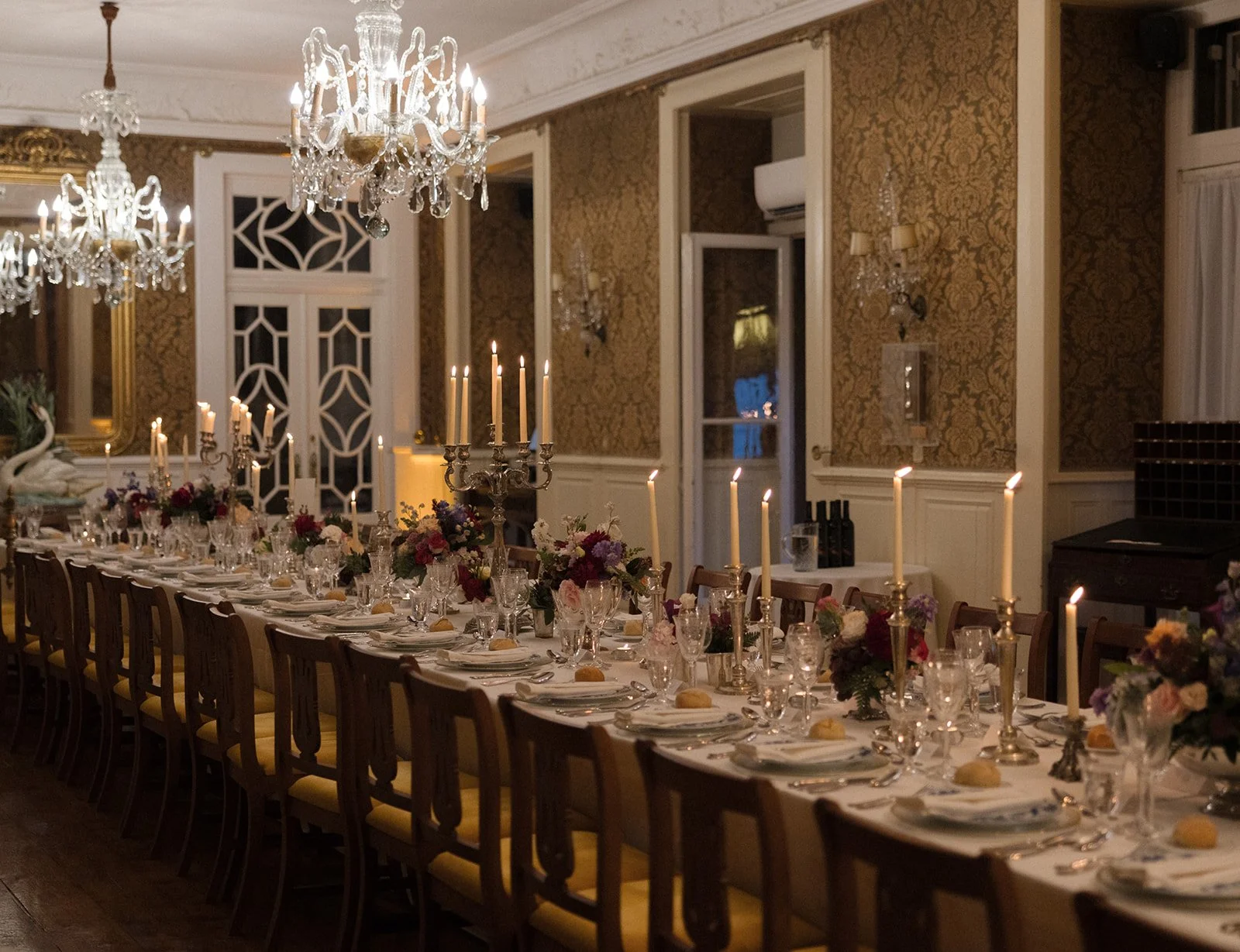
The right planning decisions create a day that feels as good as it looks.
The Lopes Photography
Editorial wedding photography, film & Super 8 in Portugal, Italy & France (and beyond).