
DESTINATION WEDDING TIMELINE IN PORTUGAL (REALISTIC, STRESS-FREE GUIDE)
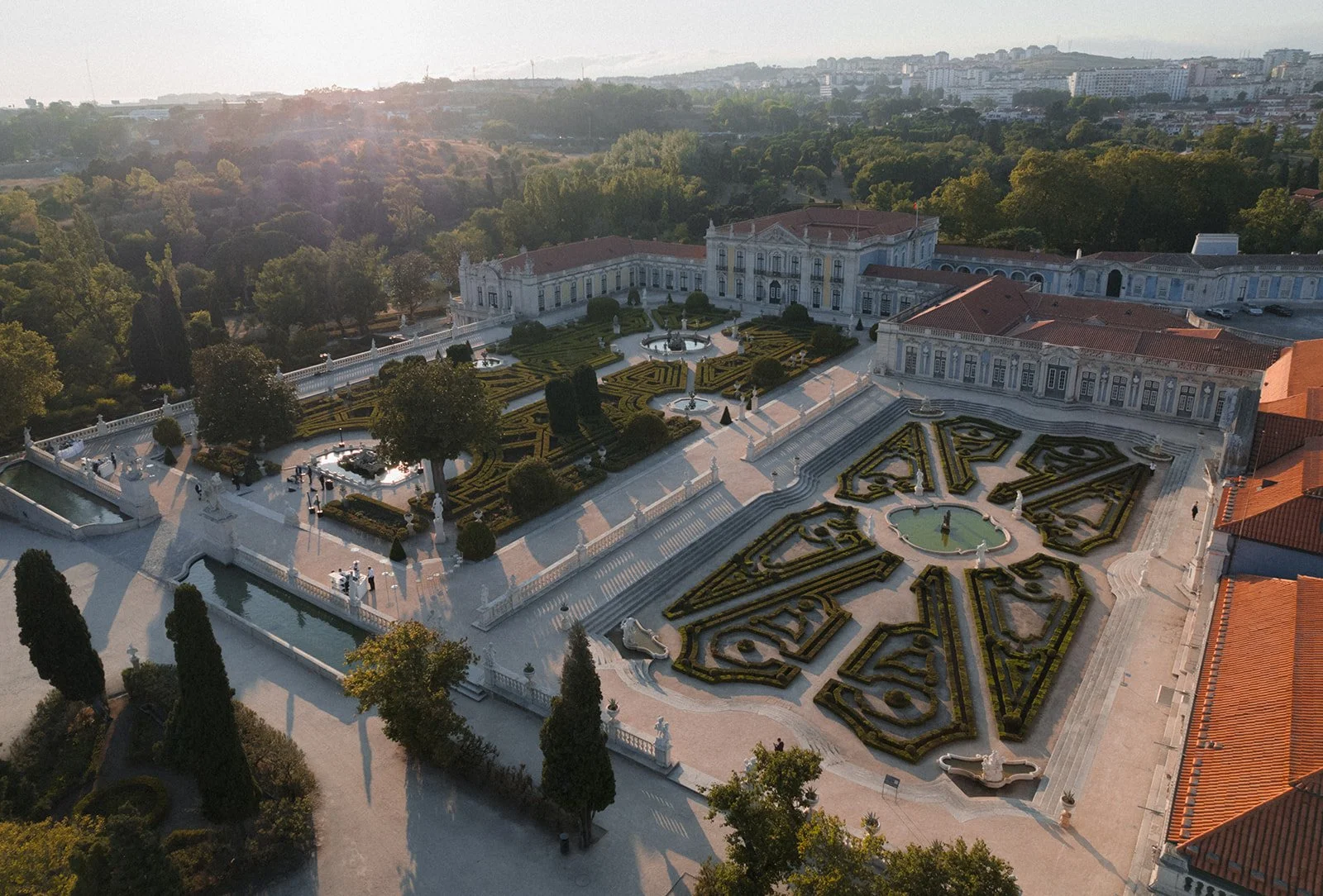
Planning a wedding in Portugal is equal parts logistics and atmosphere: light, heat, travel buffers, and a pace that’s often calmer than what international couples expect—in the best way.
This guide is written from the perspective of destination wedding photographers who build timelines around two priorities: a day that feels unrushed and photos that look intentional. If you’re planning from the USA, UK, Canada, or Australia and want a timeline that actually works on the ground in Portugal, start here.
Prefer to watch instead of read? This video walks through the same Portugal timeline framework—ceremony timing, heat strategy, travel buffers, and portrait pacing.
If you’d rather skim, keep scrolling for the sample timelines (Lisbon, Algarve, Sintra) and the exact mistakes to avoid.
Quick next step: explore our approach as a Portugal destination wedding photographer.
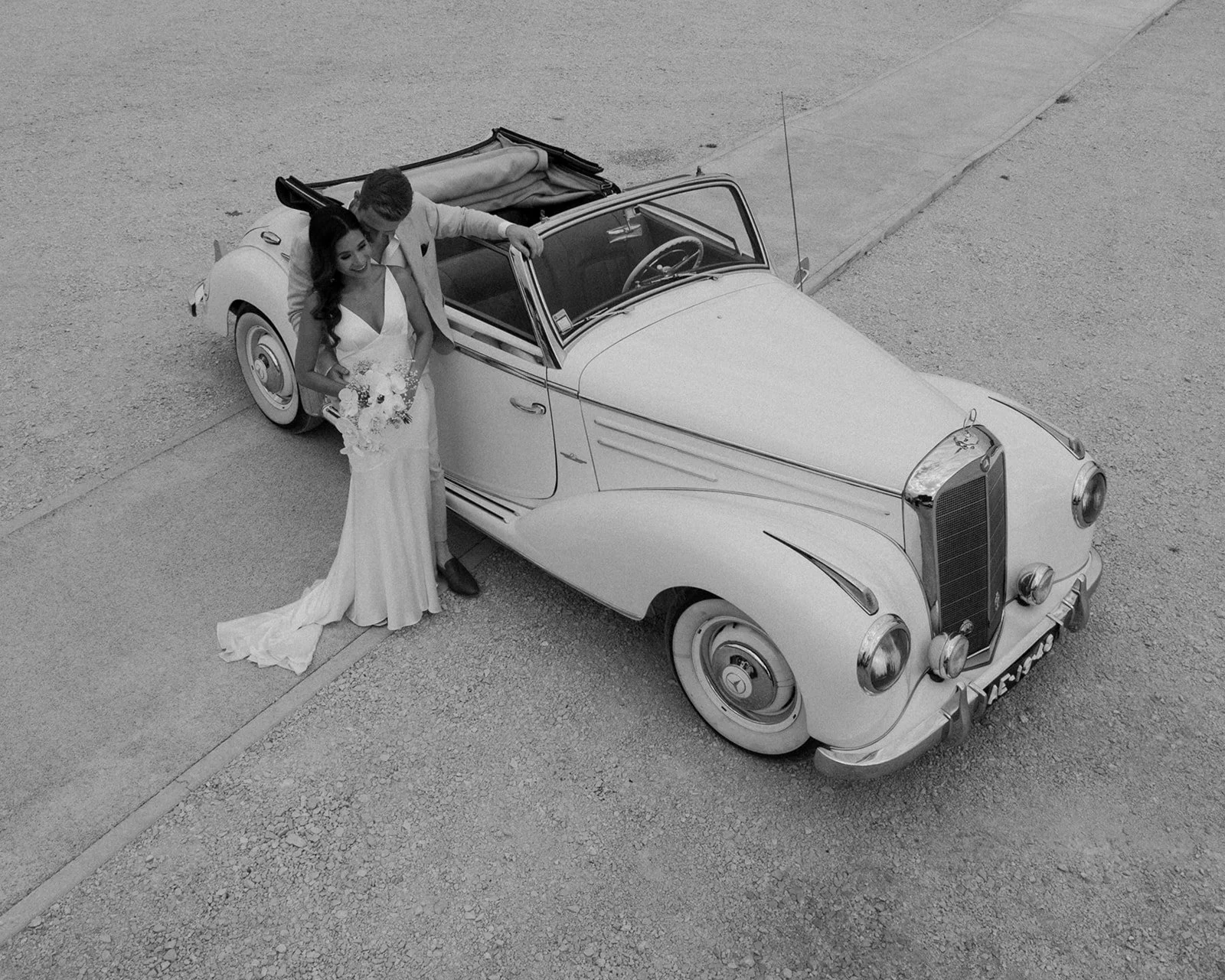
Why a realistic timeline matters more in Portugal
A destination timeline isn’t just a schedule—it’s what determines whether the day feels composed or chaotic.
In Portugal, the timeline has an outsized impact because:
Heat and sun intensity can peak hard in late spring through early fall.
Travel time between getting ready, the ceremony, and the reception is often underestimated (even when locations look “close” on a map).
Ceremony rules (especially churches) can affect timing, photo access, and buffer needs.
Golden hour can be short and location-dependent (coast vs inland, city vs countryside).
When the timeline is realistic, you protect:
Guest experience (no long disappearances)
Couple energy (less rushing, less overheating)
Portrait quality (better light, better pacing, better transitions)
Portugal can be an excellent value for the level of hospitality and setting—but it stops being “affordable” the moment you want exclusivity, multi-day hosting, and design-forward execution.
What international couples should know first (Portugal-specific)
Portugal runs on real-world pacing, not spreadsheet perfection
Portugal is efficient when it needs to be, but the tone is often relaxed. That’s a gift—if your timeline has air in it. If it’s too tight, small delays compound.
Hair and makeup timing tends to be the first domino
If you’re bringing a team or working with local artists, build a schedule that doesn’t rely on a perfect start time. A calm morning is one of the best “luxury upgrades” you can give yourself.
Travel buffers matter more than you think
Old town streets, coastal roads, parking, venue access, and guest transport can add friction. A timeline that looks clean in planning can turn stressful on the day if buffers are missing.
Light and weather are not “one Portugal”
Lisbon, Sintra, Douro, Alentejo, Comporta, and the Algarve behave differently—wind, haze, humidity, and sunset feel change the day. Your timeline should match your region, venue orientation, and season.
Key timeline considerations for Portugal destination weddings
1) Seasonality and heat (especially May–October)
If you’re marrying in warmer months, consider:
Earlier ceremony (or later ceremony) to avoid the harsh midday sun
A longer shaded cocktail hour
A plan for portraits that doesn’t require standing in direct sun for long stretches
A high-end day doesn’t feel like endurance.
2) The ceremony start time and the quality of light
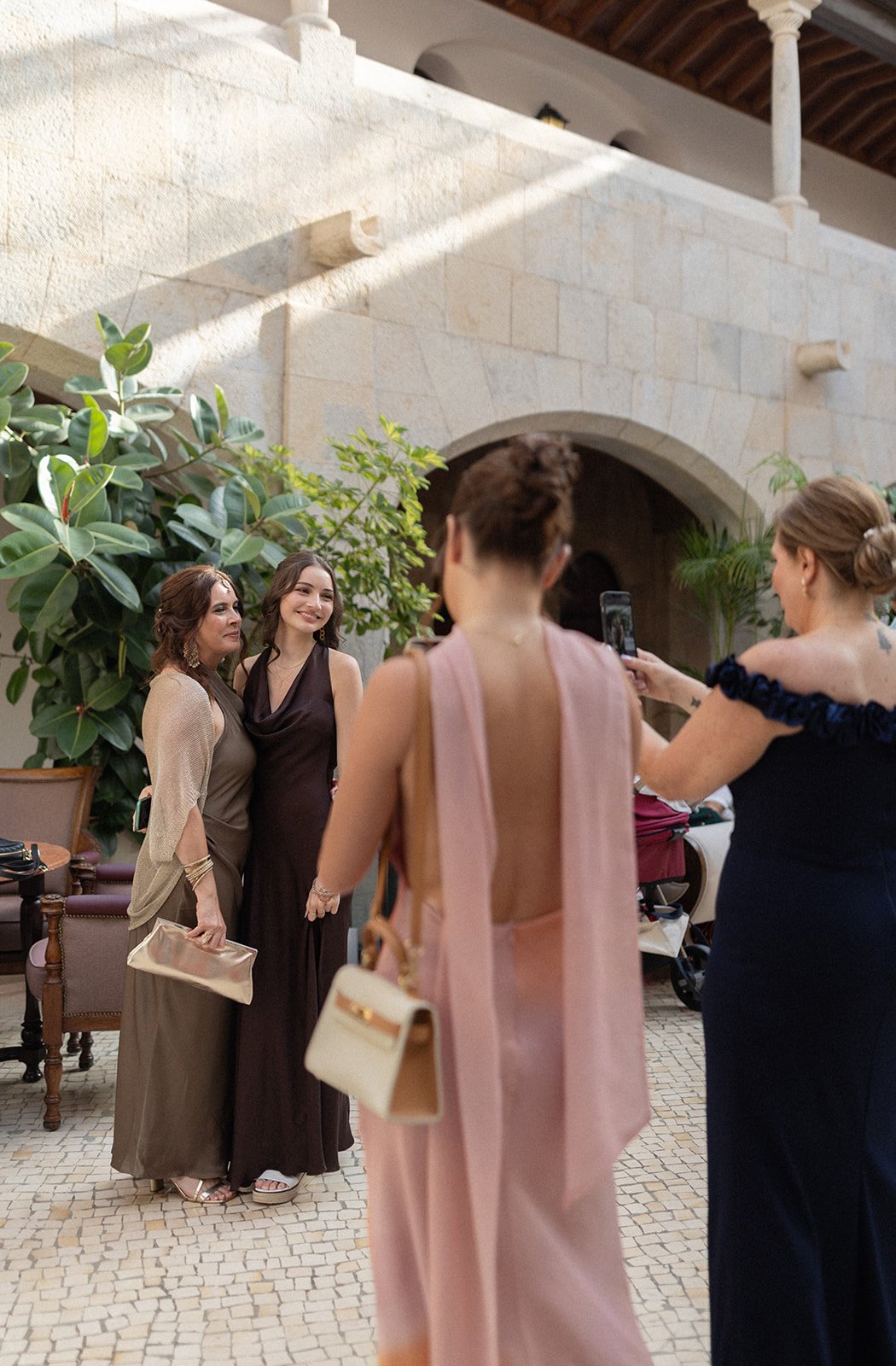
This is the most common tension: couples want a beautiful ceremony time, great portraits, and a relaxed guest experience.
In practice, you typically choose one of these frameworks:
Late afternoon ceremony → best for light + portraits; easier pacing
Midday ceremony → requires stronger heat/light strategy; portraits become more “architectural shade” focused
Church ceremony → timing may be fixed; build buffers and portrait sets around it

3) Travel, transport, and guest flow
For destination weddings, guests often arrive in waves and rely on transport. Your timeline should clarify:
When transport departs (and from where)
When guests arrive at the ceremony
How guests move to the cocktail hour and reception
Whether the couple moves separately or stays on-site

4) Getting-ready location choice changes everything
A good getting-ready space saves time and improves the entire visual narrative:
Natural light, uncluttered backgrounds
Enough space to move without bottlenecks
Proximity to the ceremony
A plan for where details and portraits happen
5) Portrait pacing: editorial without disappearing for an hour
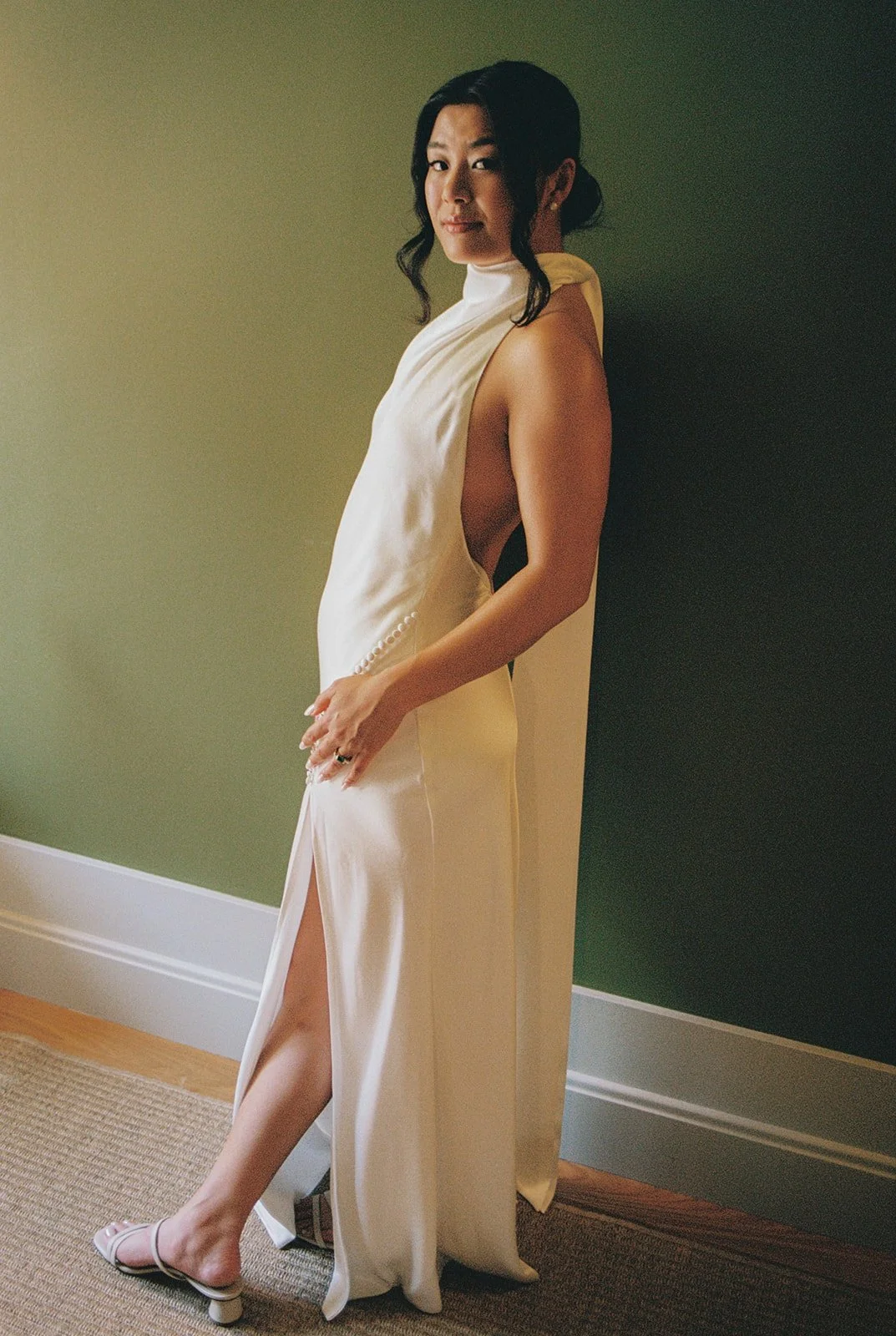
Editorial doesn’t mean lengthy. It means efficient sets:
2–3 portrait “sets” near the ceremony/cocktail area
Short, directed sequences
Clean transitions
A result that reads elevated, not overworked
If you want the look of a magazine spread, the timeline must support fast, deliberate movement—not long wandering.

How the timeline affects your wedding day experience
A well-built timeline feels like this:
The morning is calm, not chaotic
Guests aren’t waiting on you repeatedly
Portraits happen in small, confident pockets
You’re present for cocktail hour and dinner
The day has a clear rhythm

A tight timeline feels like this:
You’re always “catching up”
You skipped moments you wanted
Portraits become rushed or postponed
Stress shows up in small ways (and it photographs)
Your timeline is one of the most important quality levers you control.
A realistic destination wedding timeline framework (Portugal)
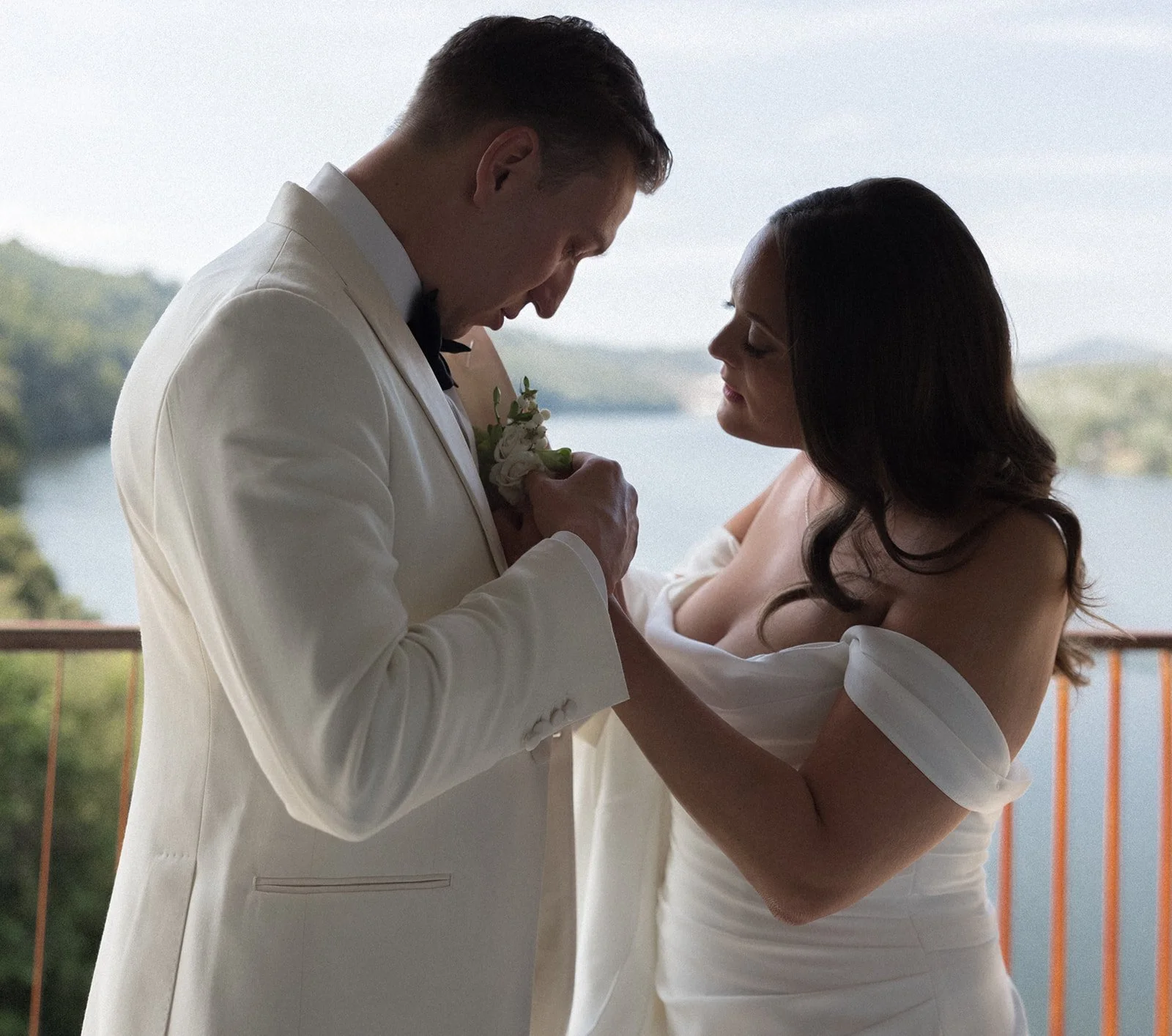
Below is a structure that works across most Portugal weddings. Exact times should be adjusted based on season, region, ceremony type, venue layout, and travel.
Getting ready (3–4 hours)
Hair + makeup built with buffer
Details and environment captured without rushing
A first look is optional (only if it reduces later pressure)
Ceremony (30–60 minutes)
Guest arrival buffer matters
For churches: stricter timing + access considerations
Cocktail hour (60–90 minutes)
This is where you protect the guest experience
Portrait “sets” can happen in short pockets nearby
If speeches happen during the cocktail: plan portrait timing accordingly
Reception (3–4+ hours)
A clean dinner start time reduces drift
Sunset portraits (if needed) should be quick and pre-planned
Party coverage benefits from a clear transition moment
Sample Portugal wedding timelines (8–10 hours coverage)
These are intentionally “realistic” examples, not fantasy schedules. Adjust based on your specific venue, season, and ceremony type.
Lisbon / city venue (late afternoon ceremony)
13:00 — Photography begins (getting ready)
15:30 — Final touches + pre-ceremony portraits nearby
17:00 — Ceremony
17:45 — Cocktail hour begins (portraits in short sets)
19:30 — Dinner
21:00 — Speeches / transition
21:30 — Party coverage
23:00 — Coverage ends
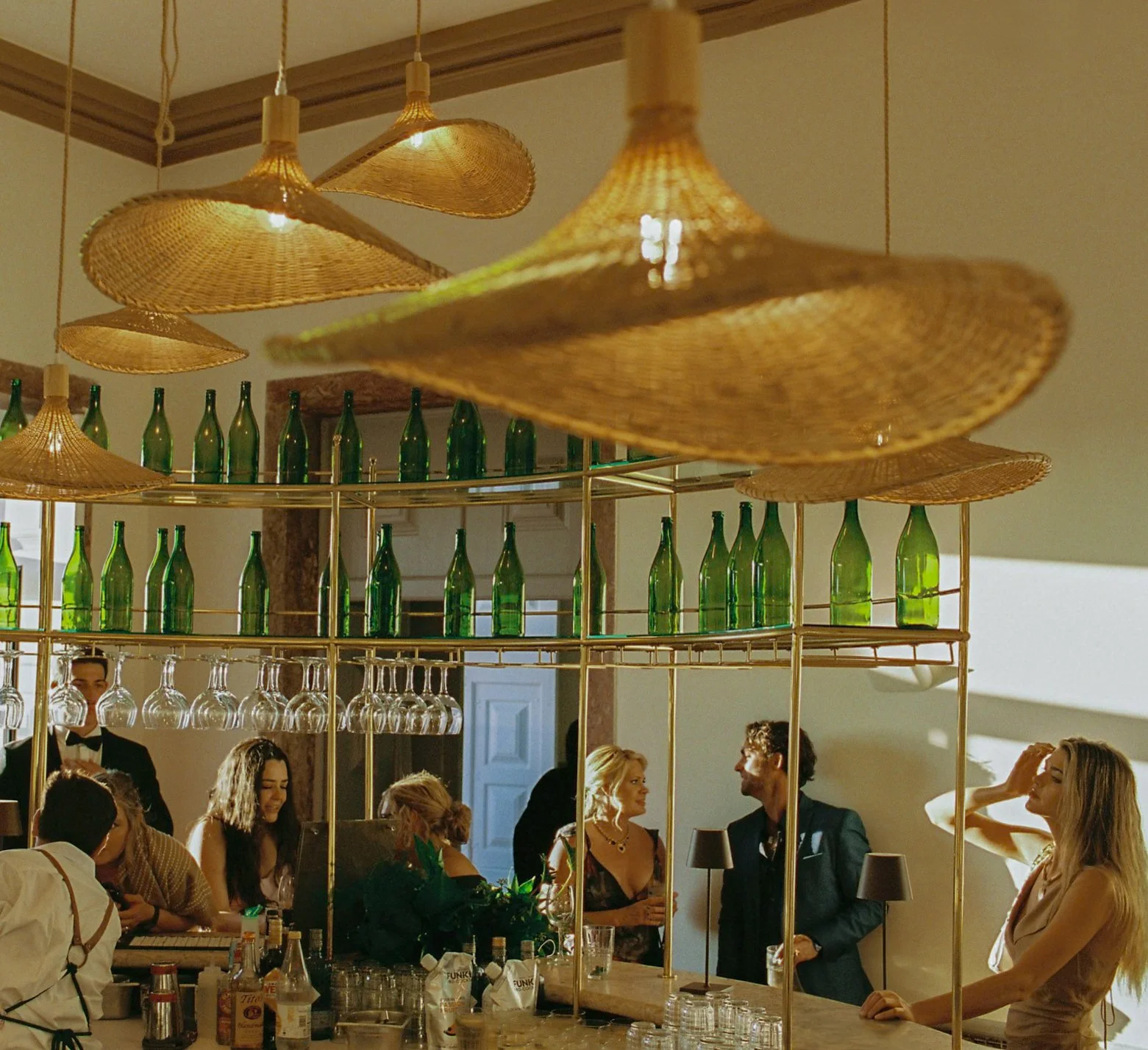
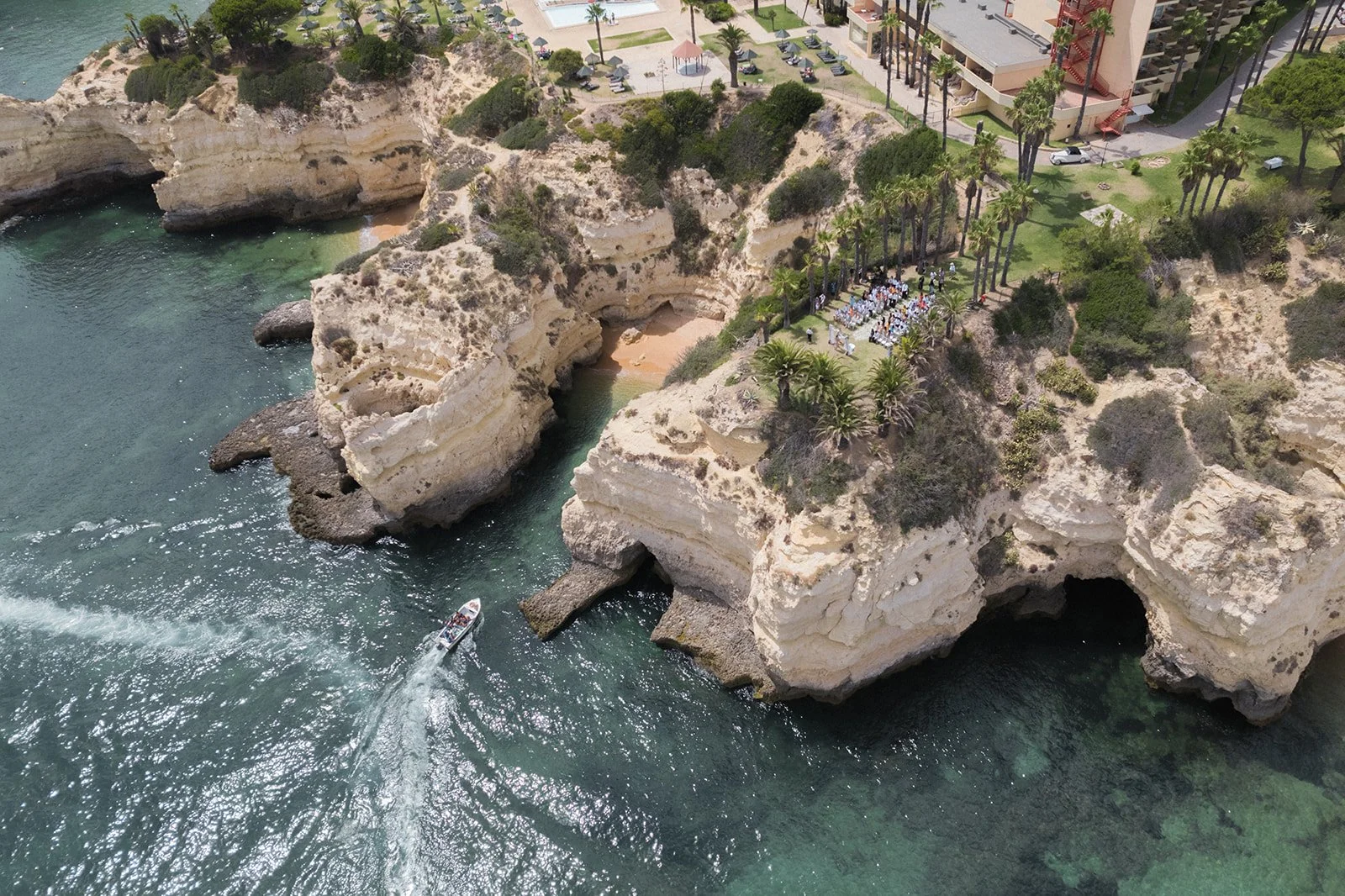
Algarve / coastal venue (heat-aware pacing)
14:00 — Photography begins (slower, shade-first)
16:30 — Pre-ceremony portraits in controlled light
18:00 — Ceremony (often better in warmer months)
18:45 — Cocktail hour
20:30 — Dinner
22:00 — Party coverage
00:00 — Coverage ends
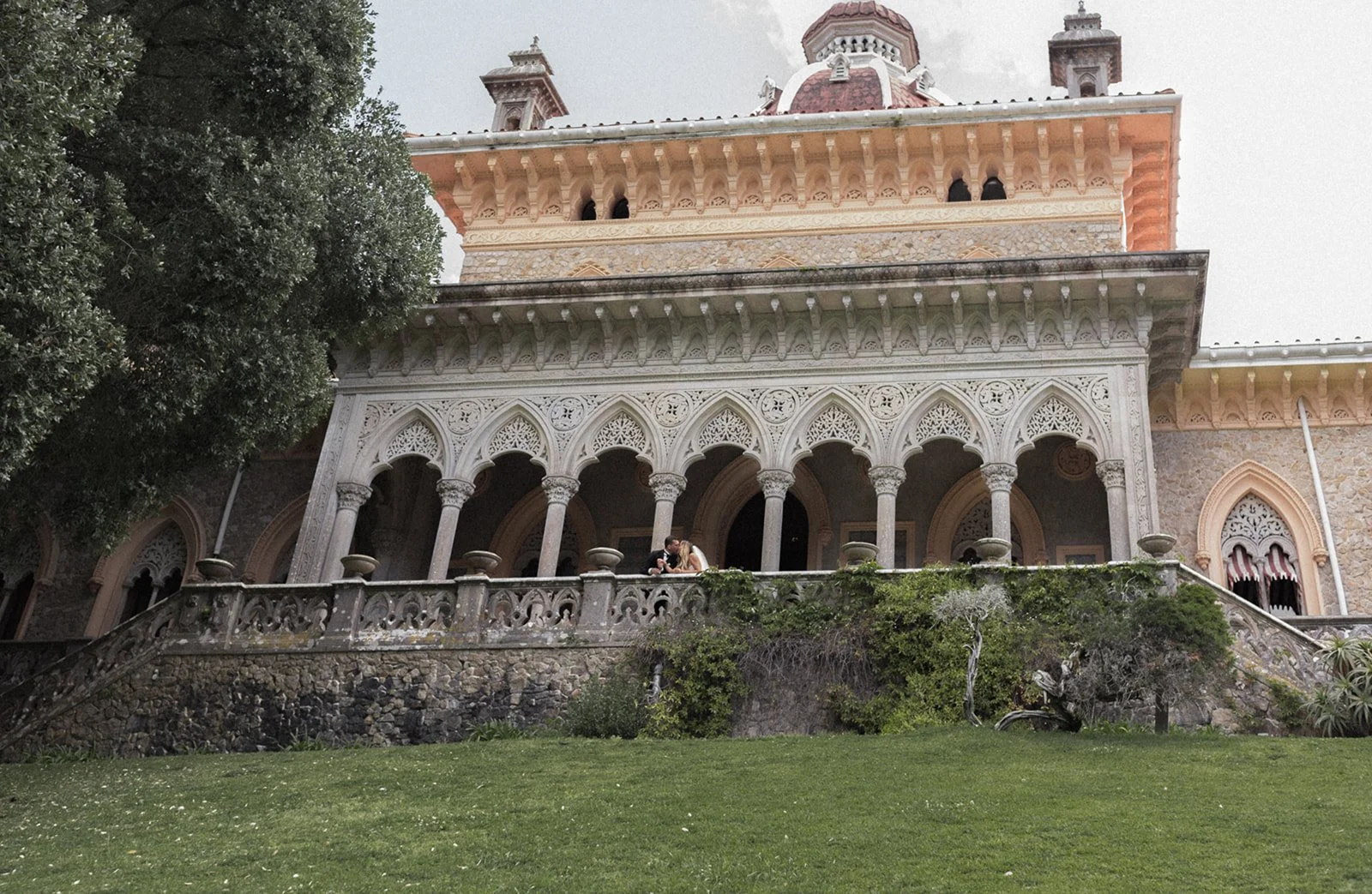
Sintra / estate or palace (travel + buffer emphasis)
12:30 — Photography begins (details + getting ready)
16:00 — Travel buffer + arrival margin
17:30 — Ceremony
18:15 — Cocktail hour (portrait sets nearby)
20:00 — Dinner
21:30 — Speeches / transition
22:00 — Party
23:30 — Coverage ends
Common timeline mistakes destination couples make in Portugal
1) Underestimating travel time (and guest movement)
Even a 15-minute drive can become 35 minutes with parking, roads, and staging.
2) Planning portraits as one long block
Long portrait blocks create guest downtime and increase stress. Better: short sets, planned locations, quick direction.

3) Stacking too many “moments” into the same window
Ceremony exit + confetti + family photos + couple portraits + cocktail hour greeting—if they all happen at once, something breaks.
4) Starting dinner too late without meaning to
Late dinners compress speeches and party coverage, and guest energy drops. A clear dinner start time protects the rhythm.
5) Ignoring the heat strategy in warmer months
Heat changes how people feel, move, and look. Shade-first planning is not a compromise—it’s a quality decision.
How we approach timelines as destination photographers
Our approach is simple: protect the experience, then protect the light.
We design the day around:
Short, efficient portrait sets with clear direction
Minimal time away from guests
A calm buffer strategy so that small delays don’t become stressful
A visual plan based on architecture, backdrops, and movement—so the photos look editorial without feeling staged
If your goal is imagery that feels composed and elevated, the timeline is the foundation—not an afterthought.

Is this timeline approach right for you?
This is ideal if you:
Want a day that feels calm and premium, not over-scheduled
Care about light, architecture, and clean visual storytelling
Prefer guidance over improvisation
Want to be present with guests while still getting intentional portraits
You might prefer another approach if you:
Want a highly rigid, minute-by-minute schedule with no flexibility
Prefer portraits to be completely unstructured and spontaneous
Are you planning a midday ceremony in peak summer without heat mitigation
FAQ — Destination wedding timelines in Portugal
What time should a Portugal wedding ceremony start?
For many venues, late afternoon works best for comfort and light. Exact timing depends on season, region, and whether you’re coastal, in the countryside, or in a city.
How many hours of photography coverage do we need for a destination wedding in Portugal?
Most destination timelines work best with 8–10 hours for a single-day wedding, and more if you’re adding a welcome event or multiple locations with travel time.
Should we do a first look for a Portugal destination wedding?
A first look can reduce pressure later, especially if travel or ceremony timing compresses portraits. If it complicates logistics, it’s not mandatory—your timeline should decide.
How do we avoid disappearing during cocktail hour?
Plan 2–3 short portrait sets near cocktail hour rather than one long portrait block. This keeps you present while still getting intentional images.
Golden hour timing in Portugal
Sunset in Lisbon and Sintra ranges from around 8:00 PM in late spring to 9:10 PM at peak summer in June and July. Your golden hour window, the 30 to 40 minutes before sunset with the warmest directional light, typically falls between 7:30 PM and 8:30 PM from May through September. If your ceremony ends by 6:00 PM, you have a meaningful buffer to work through family formals and still reach portraits with good light. For venues with east-facing terraces or interior courtyards, plan portraits earlier in the afternoon and treat late evening as your relaxed, ambient-light window.
What’s a realistic getting-ready start time?
Many timelines start photography 3–4 hours before the ceremony, depending on whether you want details, a first look, or pre-ceremony portraits.
How does a church ceremony change the timeline in Portugal?
Church timing can be more fixed and may limit movement during the ceremony. Build extra buffers before and after, and plan portraits around nearby shaded architectural areas.
What if we’re marrying in peak summer heat?
Prioritize shade, hydration, and later ceremony timing when possible. The best photos often come from controlled light, not direct sun.
Do we need extra time for a welcome party or pre-wedding coverage?
If you’re hosting a welcome event, add coverage for guest arrivals and atmosphere—these moments often become the emotional foundation of a destination weekend.
Build a timeline that protects the day (and the photos)
If you want a Portugal timeline that feels calm, realistic, and visually intentional, we’ll help you map the day around light, logistics, and presence—without turning it into a production.
Explore our work and approach as a Portugal destination wedding photographer.
Or review our wedding photography collections to see coverage designed for destination weekends.
The Lopes Photography
Editorial wedding photography, film & Super 8 in Portugal, Italy & France (and beyond).
