
WHERE HIGH-END DESTINATION WEDDINGS ACTUALLY HAPPEN IN PORTUGAL
We photograph ten weddings per year, and since The Lopes Photography was first published in British Vogue, Vogue Arabia, Vogue Australia, and Tatler, nearly all of those have been high-end destination weddings in Portugal. Over time, a clear pattern has emerged. These weddings do not spread evenly across the country. They cluster, by geography and by venue type, and each cluster has its own architectural logic, its own light conditions, and its own character. This guide maps those clusters across five regions, drawing on our years of photographing weddings here and a detailed understanding of how the country's venue landscape is structured.
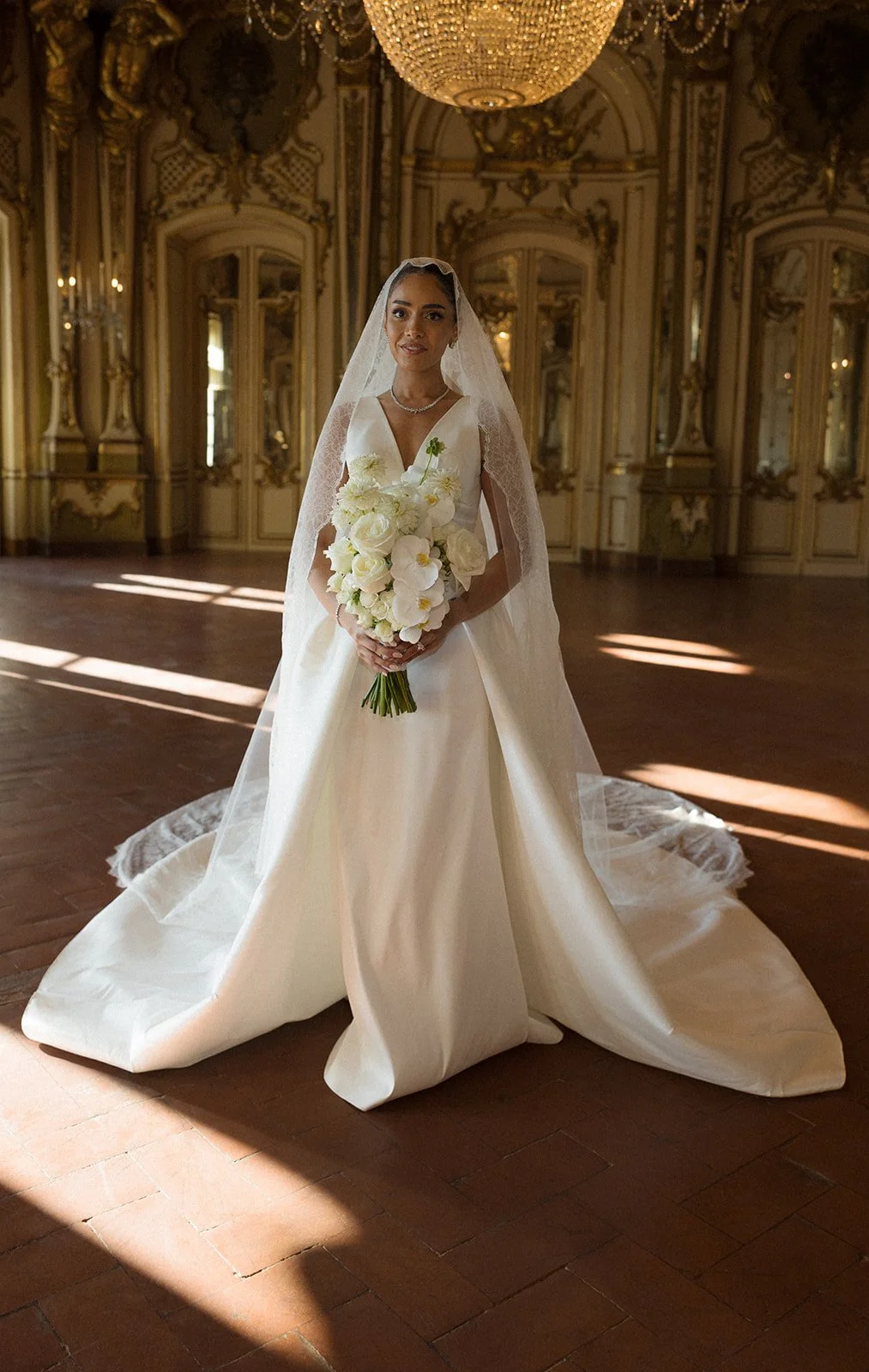
What High-End Destination Weddings in Portugal Require From a Venue
The highest-tier venues for destination weddings in Portugal share three consistent qualities. They offer a full private buy-out with no parallel events on the property the same day. They have in-house or dedicated catering that treats the dinner table as seriously as the architecture. And they provide a range of distinct spaces within a single estate: a suite for the morning, a ceremony location, a cocktail area, and a reception room. Guest logistics that require shuttles between venues are almost always a sign of a venue operating below the top tier.
These venues are also, almost without exception, photographically coherent across the full day. They have genuine interior light, architectural character in multiple directions, and outdoor spaces that hold well from early afternoon through to late evening. That last quality is rarer than most couples realize when they are comparing venue brochures.
The Sintra and Cascais Corridor
The Sintra and Cascais corridor, within roughly 40 kilometers of central Lisbon, is the most concentrated cluster of high-end destination weddings in the country. Several palace-scale venues operate here with active event calendars, full hotel infrastructure, and the logistical capacity to support large international guest lists.
The Palácio Nacional de Queluz is the anchor of this corridor. An 18th-century royal palace whose architecture moves through baroque, rococo, and neoclassical phases across its different wings, it sits within formal French gardens featuring fountains, marble statues, reflective pools, and the Canal dos Azulejos, a waterway lined with hand-painted Portuguese tiles. Ceremonies typically take place in the gardens; receptions move through the Music Room (80 guests seated) and the Throne Room (200 guests seated), where gilded decoration and French windows opening directly onto the gardens create consistently strong interior light from the late afternoon onward. We photographed Hessah and Ali there in 2025, and the work was published in Vogue Arabia. What the palace offers that most venues cannot replicate is layered architectural depth: every direction produces a different image.
Penha Longa Resort, managed by The Ritz-Carlton and set within a 545-acre national park in the Sintra hills, incorporates a 14th-century monastery and chapel within its grounds. With multiple event spaces and capacity for up to 600 guests across different formats, it is the most operationally complete venue in the corridor for large international weddings, particularly those requiring several days of programming, full on-site accommodation, and the infrastructure to run multi-format celebrations.
Palácio de Seteais, an 18th-century neoclassical palace and National Monument, now operates as a luxury hotel with formal gardens and Atlantic views from its elevated position in the Sintra hills. With capacity for up to 200 guests and an exclusive-use option, it suits couples who want a palace setting in Sintra without the scale of Penha Longa.
The Fortaleza do Guincho, on the Atlantic cliff road near Cascais, is a different character entirely: a 17th-century fortress converted into a boutique hotel in the Relais & Châteaux collection, with a Michelin-starred restaurant and capacity for up to 120 guests in its main event space. The quality of coastal light and the sound of the Atlantic are the dominant atmospheric facts of the day.
For couples considering this corridor, our Sintra wedding photography guide covers the light conditions, logistical considerations, and what changes between venues across different seasons.
See the full gallery: Hessah and Ali at Palácio de Queluz.
Lisbon
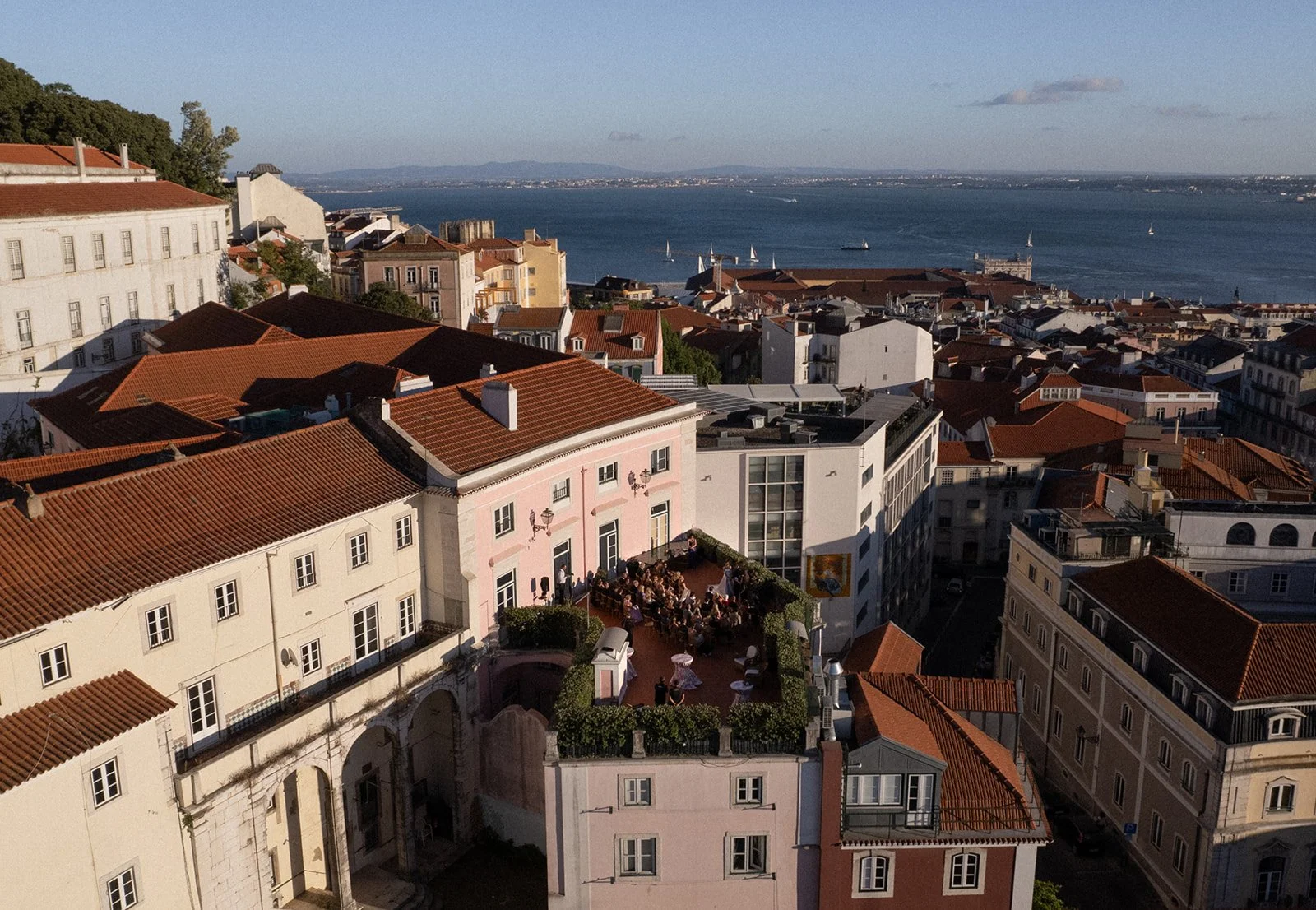
Lisbon has the most diverse concentration of high-end wedding venues of any city in Portugal. The cluster divides into four distinct types: royal palaces open as National Monuments, private historic institutions with decorated interior rooms, baroque garden estates that remain private residences, and rooftop venues with panoramic city views.
The Palácio Nacional da Ajuda occupies the highest position by institutional weight. Classified as a National Monument, it is the only palace in Lisbon that preserves its original 19th-century royal rooms and decoration intact. The official residence of the Portuguese royal family from 1861 until the proclamation of the Republic in 1910, it sits on the Ajuda hill with sweeping views of the Tagus River. Its event spaces include the Sala D. João VI, a former ballroom decorated with two large chandeliers and gilded sideboards, and the Banquet Room, which features a painted frescoed ceiling and crystal chandeliers and continues to be used today for official state dinners. Few venues in Portugal carry the same level of institutional and historical authority.
Palácio dos Marqueses de Fronteira, in the Benfica area, holds the largest collection of 17th-century azulejos preserved in situ in Portugal. Built in 1670 in the Mannerist style with Baroque decoration, it remains the private residence of the Mascarenhas family and is classified as a National Monument. Its baroque gardens feature fountains, a lake, statues, and tile-covered pavilions. The palace accommodates up to 100 guests for an indoor dinner in the Sala das Batalhas and up to 156 guests for an outdoor reception. It is not a turnkey venue: couples must arrange all furniture, tableware, and decoration through external suppliers, which in practice means working with a wedding planner experienced with the property.
The Grémio Literário, founded in 1846 and installed in the Palácio de Loures in Chiado, is the clearest example of the private historic institution category. The building is characteristic of 19th-century Portuguese romantic architecture, with decorated rooms, a rich library, and a restaurant. Its seven event spaces include the Luís XV Room in neo-baroque style and a dining room overlooking the Tagus River. The venue has a private garden dating to 1844 and accommodates between 50 and 200 guests. We photographed Catherine and Theodore there in 2024. The rooms carry the weight of the day without requiring anything added.
The Palácio do Correio Mor, in Loures, approximately 15 minutes from central Lisbon, is the right answer for couples who want a historic palace estate near the city with capacity for a large guest count. The 17th-century baroque building, designed by the Italian architect António Canevari and classified as a Heritage Site of Public Interest in 1967, has interiors featuring Portuguese azulejos, stucco work by Giovanni Grossi, and paintings by José da Costa Negreiros. Outside, French-style boxwood gardens, waterfalls, and a protected Mediterranean forest surround the property. The venue accommodates up to 400 guests, making it one of the few near-Lisbon options that work for large-scale international weddings without leaving the historic estate category.
Palácio de Tancos, a 16th-century palace in Lisbon's Costa do Castelo district, represents the rooftop category. Its terrace overlooks the Tagus River and São Jorge Castle, and the property has capacity for up to 300 guests across multiple floors and event spaces. We photographed Baylee and Chad there in 2024.
For couples exploring the city in more depth, our Lisbon wedding photography guide covers how the afternoon light moves across the city's different neighborhoods and interior spaces.
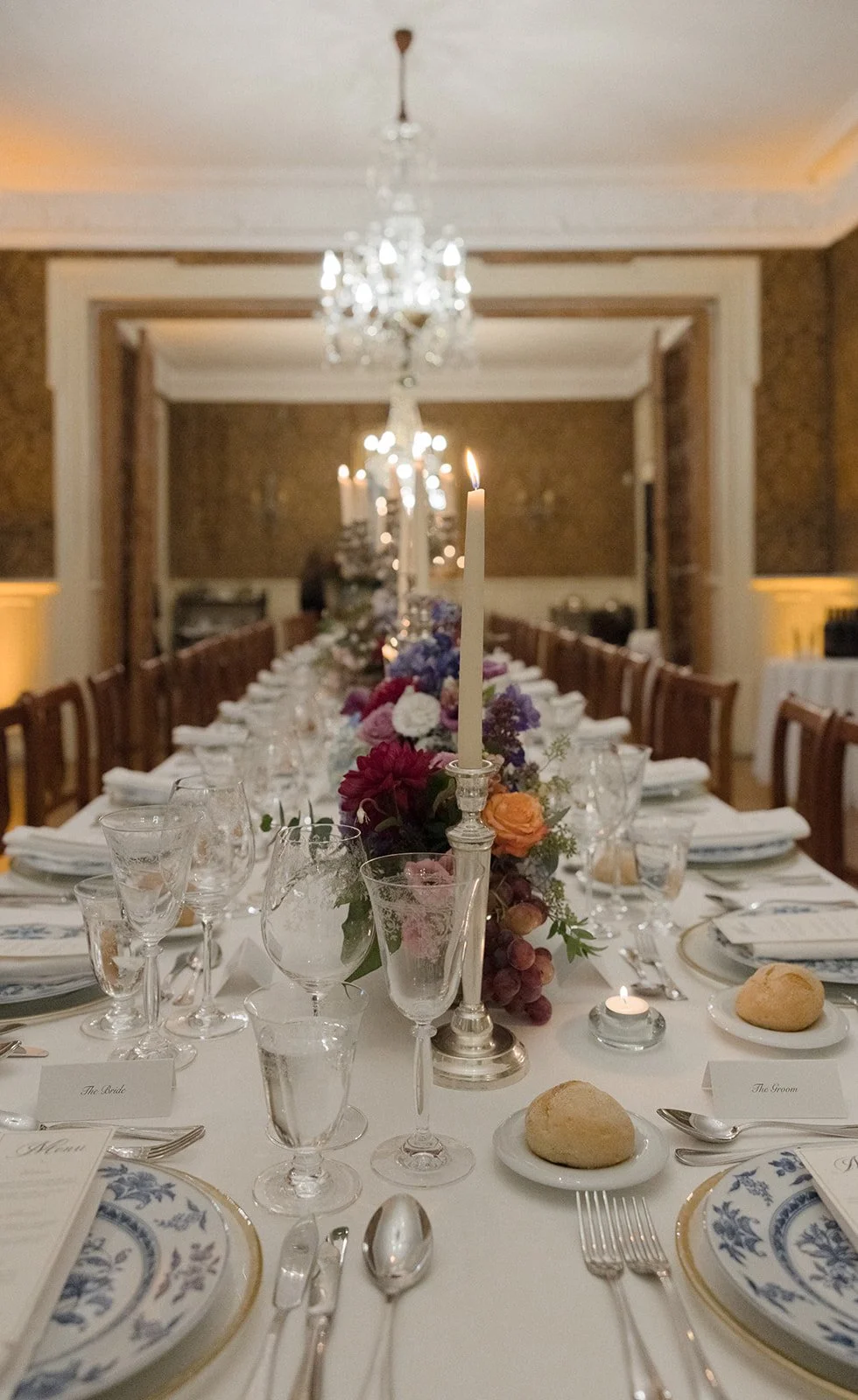
Comporta and the Alentejo Coast
Comporta draws couples who want seclusion, informal architecture, and a strong visual identity without formal grandeur. The tone is deliberately understated: pine forest, white render, rice fields, and the specific pale light that comes off the Atlantic on a September afternoon.
The dominant venue type is the private villa or quinta rented exclusively for the event. These are family-owned properties, not hotel venues, with outdoor ceremony locations under pine trees, pools that feature in the late-afternoon photography sequence, and reception dinners in the open air. Guest counts rarely exceed 80 to 100. The visual aesthetic and the deliberate informality tend to attract couples with backgrounds in fashion, the creative industries, or finance who treat the location as an extension of their own sensibility.
Sublime Comporta offers the hotel-scale alternative within this landscape. A design-led retreat set across 17 hectares of pine forest, rice fields, and dune landscape near Grândola, it takes its architectural cues from traditional Comporta cabana construction and runs them through a minimalist lens: wood, straw, polished concrete, open lines. With 90 bedrooms accommodating approximately 180 guests and a capacity for weddings of up to 200, the property is available for full exclusive hire. Indoor and outdoor ceremony and reception spaces are contained within the estate, including an Atlantic-facing terrace and a restaurant sourcing from an organic garden and local producers. What Sublime Comporta offers that a private villa cannot is full hotel infrastructure under a single management, while maintaining the visual register of the surrounding landscape.
For September and early October bookings, the combination of stable warm weather, lower humidity than in peak summer, and softer afternoon light produces consistent photography conditions across the full day. The broader Alentejo region (wine estates, cork farms, historic quintas) is covered in our guide to Alentejo wedding venues.
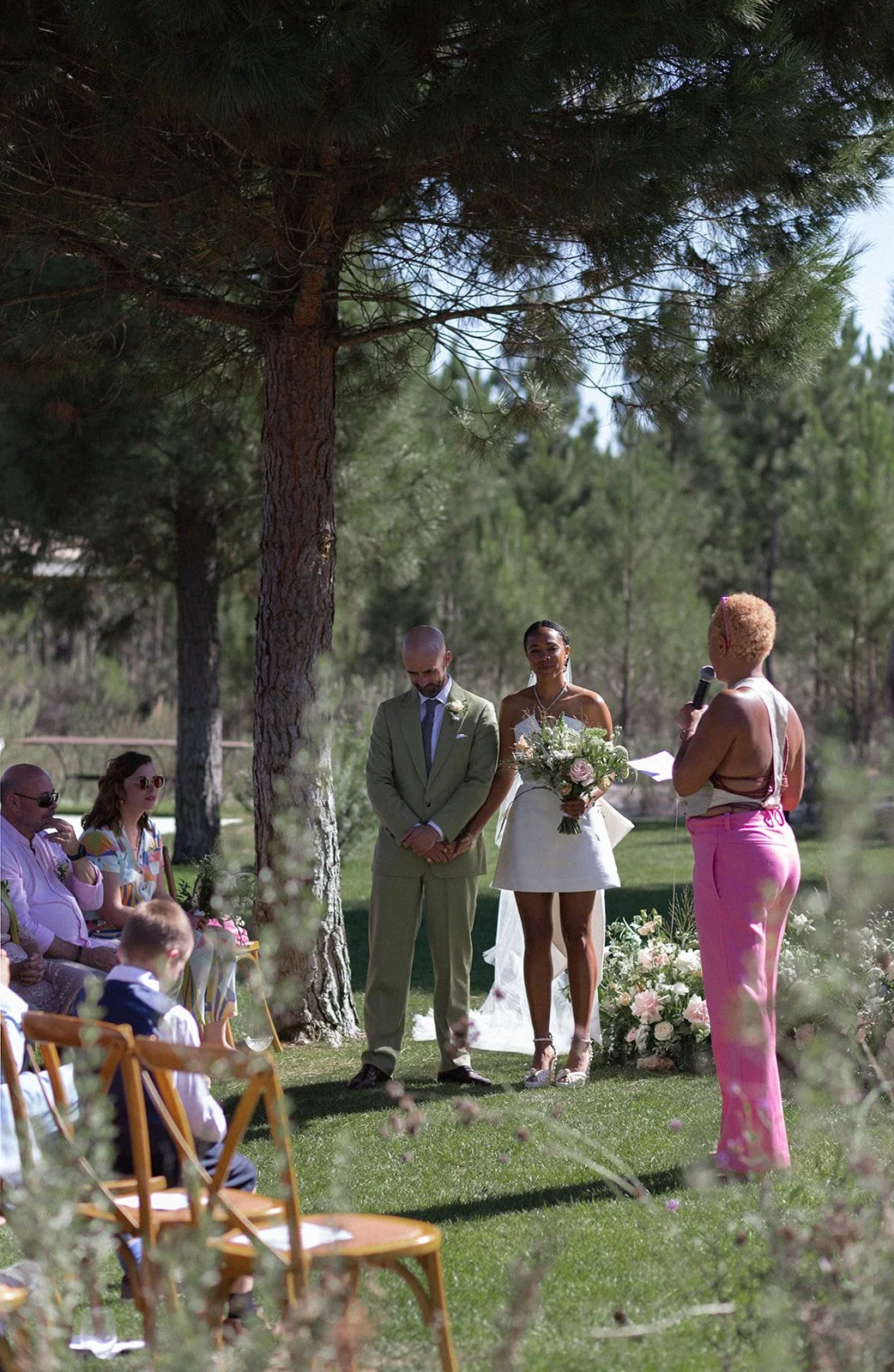
The Douro Valley
The Douro is the oldest demarcated wine region in the world, a UNESCO World Heritage designation that frames the visual context for every wedding held here. The terraced vineyards, the quality of late-afternoon light in autumn, and the scale of the valley make it a natural setting for multi-day celebrations. Guests flying from the US, the UK, or Australia are not going to travel for fewer than two or three nights, and the estate hotels in the Douro are structured around exactly this format.
Six Senses Douro Valley is the most prominent hotel venue in the valley: a renovated 19th-century manor house in Samodães with 71 suites and multiple event spaces across the estate, including a poolside terrace with river views, a wine library and terrace for aperitifs, the Vale de Abraão restaurant in three formats (classic dining room, open kitchen, and outdoor terrace), landscaped gardens, and a Quinta Bar and Lounge with no curfew restrictions. For celebrations of more than 80 guests, the property requires a full buy-out for a minimum of two nights, which naturally structures the multi-day format that the Douro rewards.
We photographed Mallory and Max at Octant Douro, a contemporary hotel carved into the schist terraces of Castelo de Paiva on the southern bank of the river. The property has a combination of interior dining rooms and outdoor terrace spaces that work across a full day without requiring guests to leave the estate.
The North: Minho
The Minho differs from the Douro in character. Where the Douro is defined by wine estates and a horizontal river landscape, the Minho is defined by lush green country, Romanesque architecture, and a tradition of large celebrations with deep local roots. The two major international-caliber venues in this cluster are at opposite ends of the market in atmosphere and scale, but both draw couples who have deliberately chosen the north over Lisbon or Sintra.
Quinta Lago dos Cisnes, in Amares on the banks of the Cávado river, approximately 45 minutes from Porto, is one of the highest-priced wedding venues in Portugal. The estate features an exotic garden, a lake, a panoramic dining room overlooking the water, and multiple outdoor ceremony and reception spaces. Its minimum per-person catering rate of €190 for a full package places it at the top of the northern market. Availability between May and September books out more than 18 months in advance, and prices have increased year over year as international demand for the north grows.
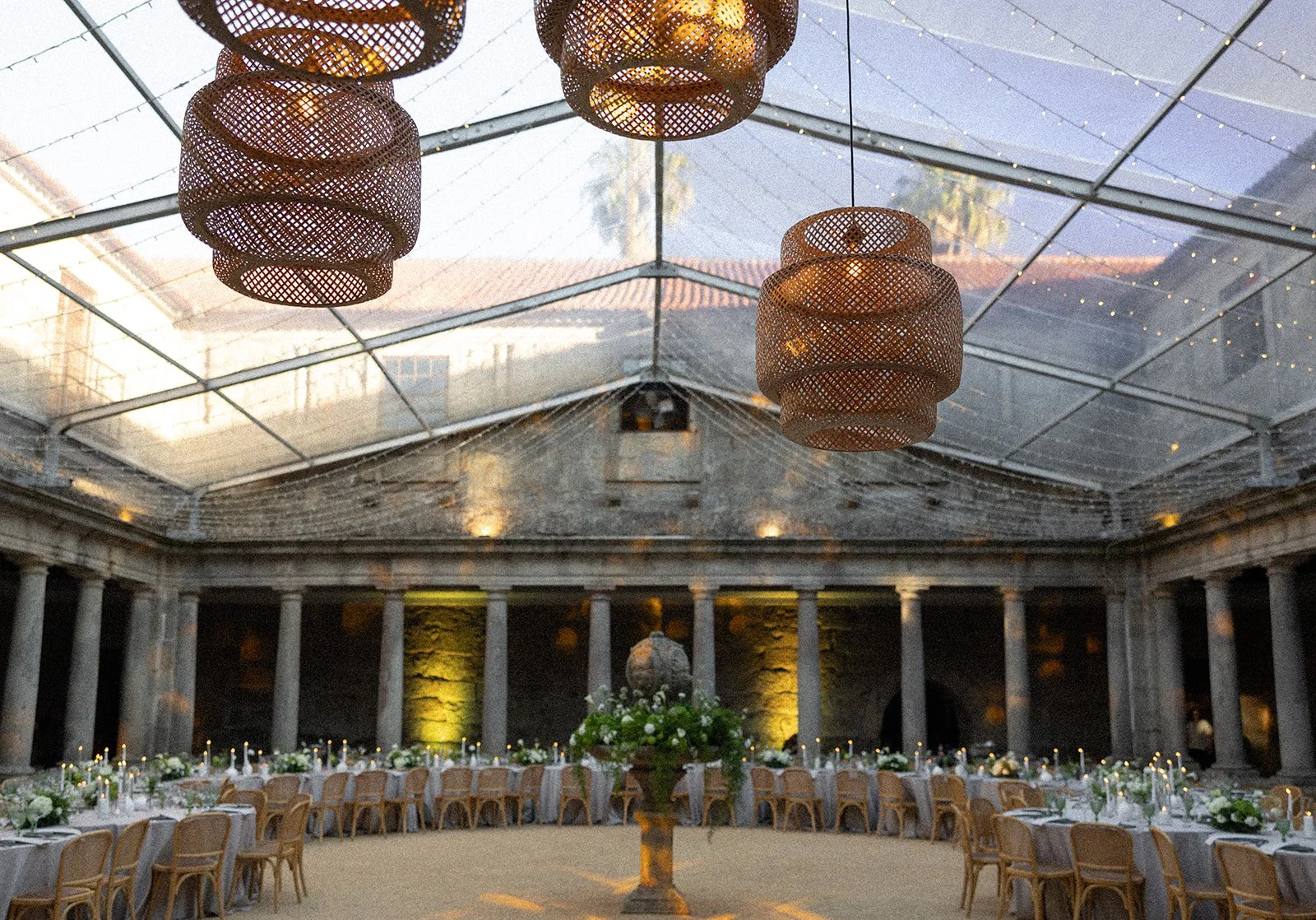
Mosteiro de Landim, near Vila Nova de Famalicão, approximately 30 minutes from Porto, offers a different proposition: a monastery founded in the early 12th century, now privately managed as an event venue, with a cloister reception space framed by Doric columns and two adjoining halls, one of which has a carved wooden ceiling from the 18th century. We photographed Celine and Jack there in 2025. The film photography we produced reflects what the space gives you: deep architectural texture, coherent light, and a setting that is genuinely specific to that building and that landscape. You cannot recreate Landim in a purpose-built venue, and that irreplicability is a large part of what high-end destination wedding couples in Portugal are paying for.
Which region of Portugal is best for a high-end destination wedding?
The right region depends on what the couple is optimizing for. Sintra and Cascais offer the most prestigious palace-scale venues with full hotel infrastructure and working events calendars. Lisbon has the most architecturally specific historic spaces, from royal palaces open as National Monuments to private residences with unique artistic collections. Comporta delivers maximum privacy and visual minimalism. The Douro is the right choice for a multi-day wine country celebration at a hotel with serious culinary ambitions. The Minho has the highest-specification venue infrastructure in the north, with Quinta Lago dos Cisnes as the market anchor. Our Portugal wedding photography portfolio shows work from across these regions.
How much does a high-end destination wedding in Portugal cost?
Wedding photography with The Lopes Photography starts from €10,000. For the broader event budget, high-end destination weddings in Portugal (venue buy-out, catering, florals, planner, music, and accommodation) generally range from €80,000 to €250,000, depending on guest count and venue. Palace venues with exclusive buy-out typically require a minimum catering and venue spend of €30,000 to €60,000 before other supplier costs are added. A full buy-out of a property such as Six Senses Douro Valley or Quinta Lago dos Cisnes, with accommodation, catering, and florals, can exceed €200,000 before photography or entertainment are included.
How far in advance should we book for the top-tier venues?
Twelve to eighteen months in advance is the effective minimum for the highest-tier venues in Sintra, Lisbon, and Comporta. Some Douro properties have more availability at eight to twelve months, but the best autumn dates across all regions are typically gone within six to eight months of a venue opening its booking window. At Quinta Lago dos Cisnes, the current booking horizon for peak-season Saturdays extends beyond 18 months. Photographers working at this level of the market tend to fill their calendars at the same pace as the venues.
What makes The Lopes Photography different from other photographers working in Portugal?
We photograph ten weddings per year by deliberate choice. This means we spend considerably more time preparing for each one than a photographer running a higher-volume practice. Our work has been published in British Vogue, Vogue Arabia, Vogue Australia, and Tatler; that publication record reflects a consistent editorial standard applied across different venues, different light conditions, and different countries. Every wedding we take on receives the same level of preparation and attention on the day.
If you are in the early stages of planning and working through which region of Portugal makes the most sense for your wedding, we are happy to talk through what we know about each of them. We work with a small number of couples each year, all of them international, and we spend time before every wedding understanding the venue, the light schedule, and the specific character of the day. You can reach us through the contact page, and we typically reply within 48 hours.
