
HOW LIGHT SHAPES YOUR WEDDING PHOTOS MORE THAN YOUR VENUE
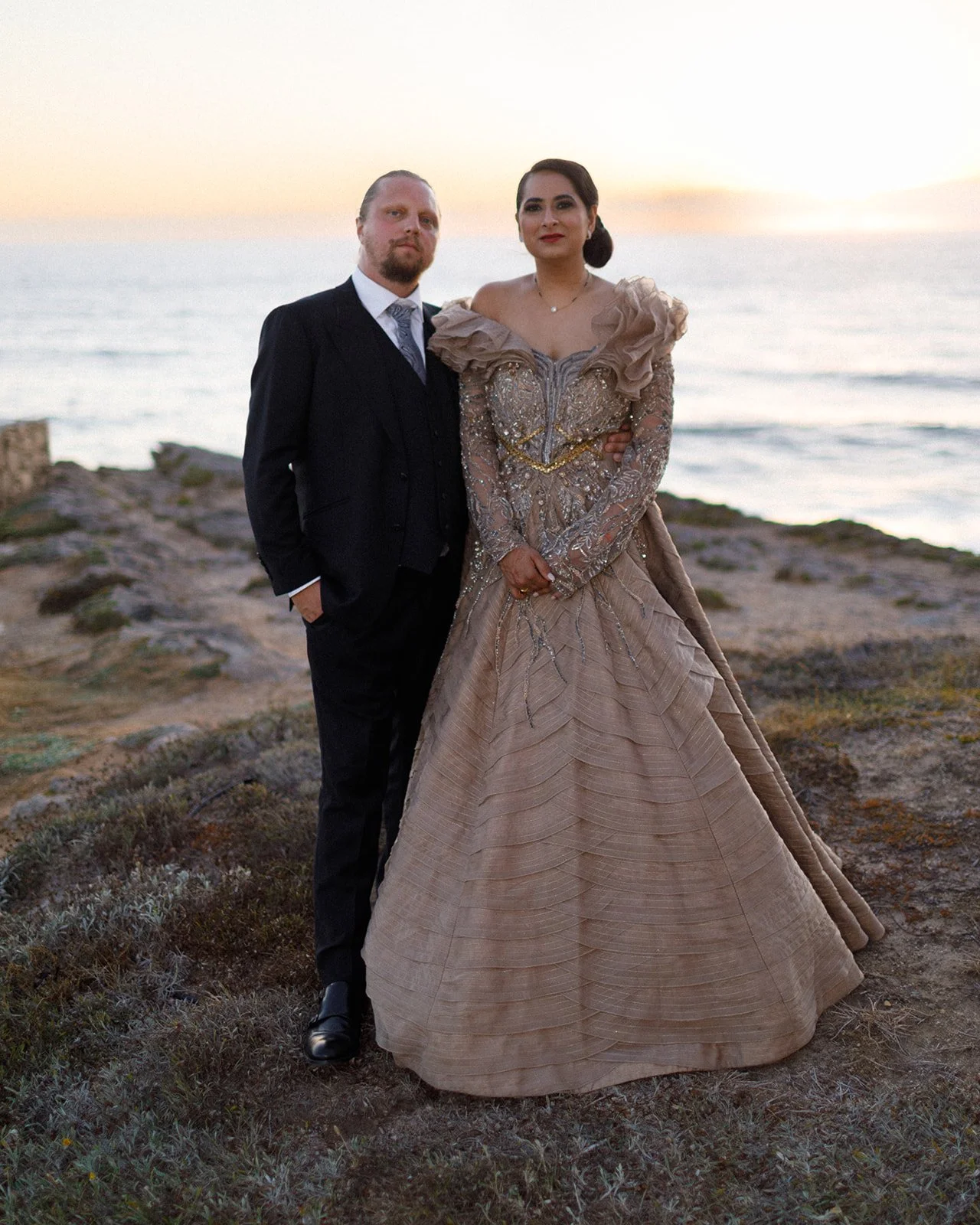
After photographing more than sixty weddings across Portugal, Italy, and France, and with work published in British Vogue, Vogue Arabia, and Tatler, we have noticed one pattern that surprises couples more than almost any other. The photographs that stop people mid-scroll, the ones couples frame and keep on their walls for decades, rarely come from the grandest venues. They come from the right light. What shapes your wedding photos in Portugal more than your venue, your flowers, or your dress is the quality, angle, and timing of the available light on the day.
What "Good Light" Actually Means in Wedding Photography
Good light in wedding photography means diffuse, directional, or warm light that falls on a face in a way that reveals dimension. It is not bright light. Midday sun, which most couples associate with a clear and beautiful day, produces the flattest and hardest light available outdoors. It casts shadows under the eyes and chin, flattens skin tone, and compresses depth. The same couple in the same clothes at the same venue, photographed two hours before sunset instead of at noon, will look like two completely different sets of photographs.
This distinction is the foundation of every decision we make when photographing a destination wedding in Portugal.
Why the Hour Matters More Than the Location
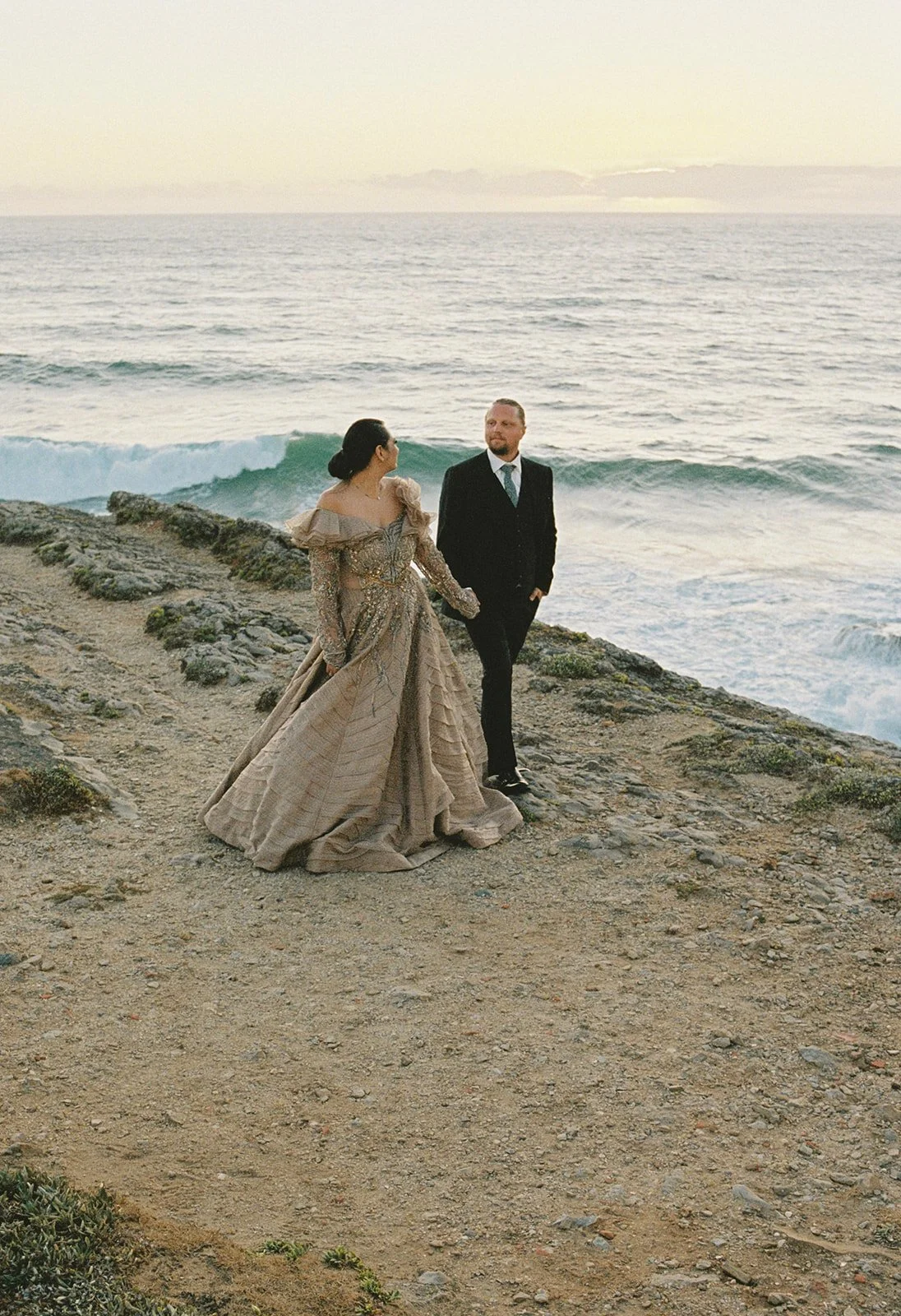
The forty-five minutes before and after sunset, and the extended golden hour in the late afternoon, produce the most versatile and forgiving light of the day. At these moments, the sun is low enough to be directional, warm in color temperature, and diffused by the atmosphere in a way that no artificial setup can replicate. Shooting in this window on the Atlantic coast near Cascais, at a palace in Sintra, or at a private estate in Comporta produces photographs of remarkable quality, regardless of the specific venue.
By contrast, a ceremony starting at 2:00 PM in June or July in Portugal means portraits scheduled for the harshest light of the year. Portugal's midday sun between May and September exceeds 35 degrees Celsius and produces overhead light with almost no modulation. This is not a preference issue. It is a physics issue, and it affects the final photographs in a way that no amount of editing can correct.
The Light Before the Ceremony: What Most Couples Overlook
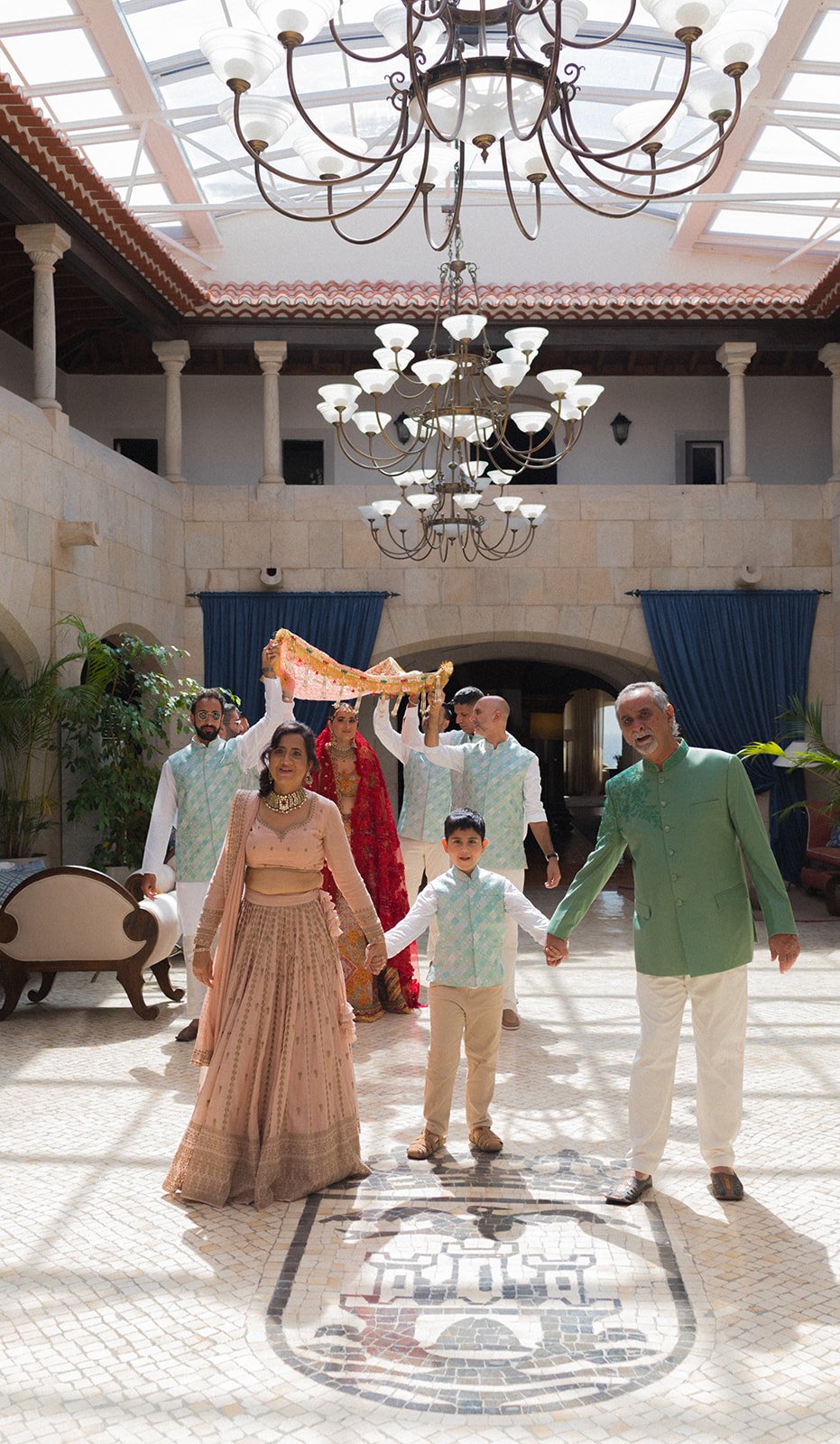
The strongest light window of a wedding day is often the getting-ready period in the morning. North-facing windows, open corridors, and shaded exterior spaces in early morning produce soft, directional light that is ideal for portraits, details, and candid moments. Couples who invest in longer getting-ready coverage are consistently rewarded with a body of work that has extraordinary breadth, because the light is working with the photographer rather than against it.
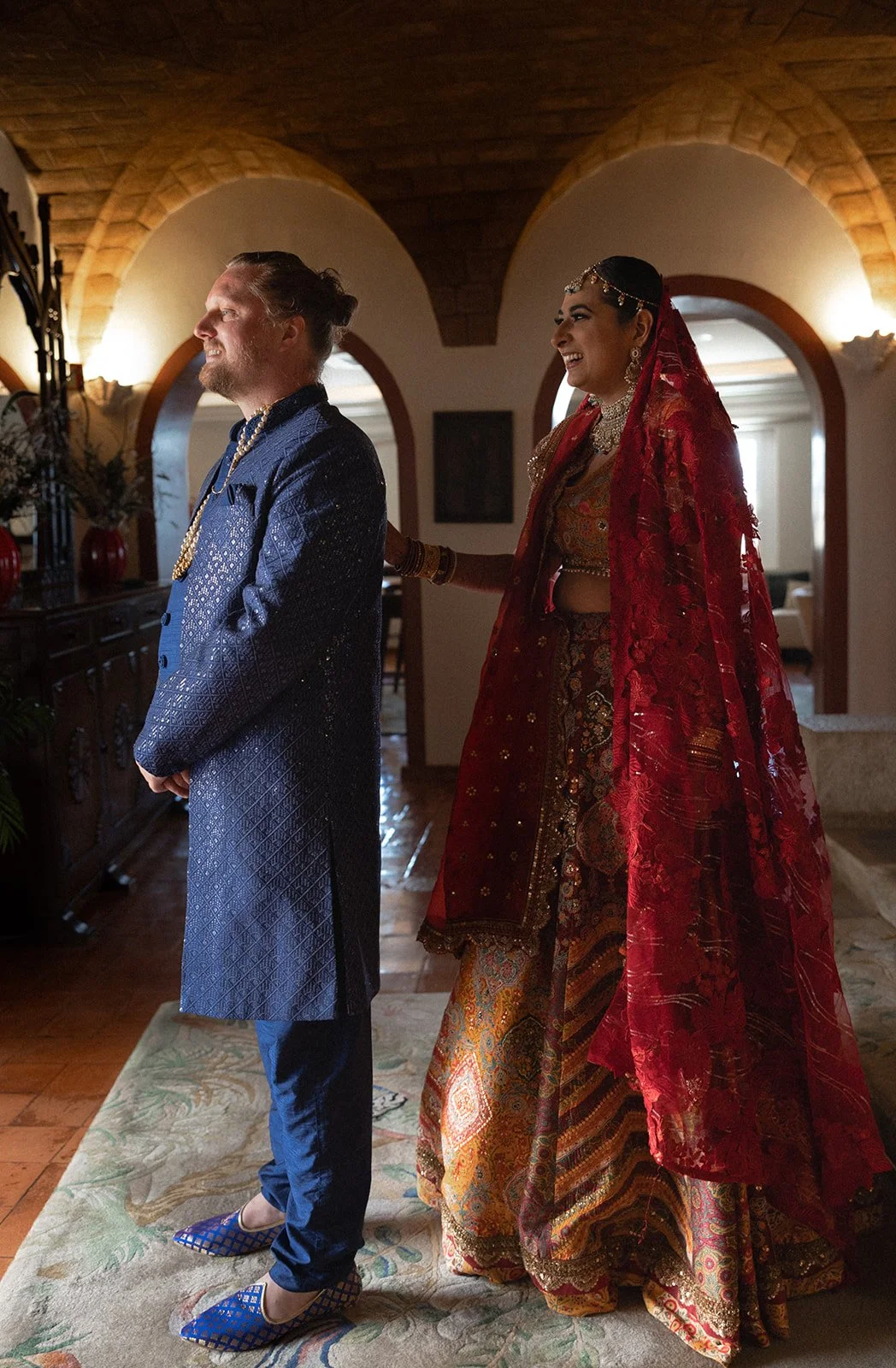
At Fortaleza do Guincho, which sits directly on the Atlantic coast in Cascais, the interior arcade and arched halls act as enormous light modifiers. They filter the outdoor Atlantic light into a warm, even source that requires no supplemental lighting. The same principle applies at Grémio Literário in Lisbon, where narrow windows cast light in a specific direction across the room that changes by the hour. Understanding those windows, and scheduling key moments to coincide with them, is part of what determines whether the final photographs look alive or flat.
What Portugal's Atlantic Light Does Differently
Portugal's position on the Atlantic coast gives it a specific quality of light that most European destinations do not have. The Atlantic humidity scatters sunlight differently than the drier Mediterranean air of southern Italy or inland Spain. The result is a softer and more diffuse quality of light during golden hour that holds warmth longer and transitions more slowly than in comparable climates further east.
September and October are the strongest months for light wedding photos in Portugal. The sun angle is lower than in summer, so golden hour arrives earlier in the afternoon and lasts longer into the evening. Temperatures are comfortable for couples and guests, and the sky retains enough cloud movement to add depth and dimension to wide shots in a way that the flat blue skies of August rarely offer.
For destination couples arriving from the UK, North America, or Australia, September is also when Portugal is least congested. Venues have more flexibility, vendors are more available, and the overall rhythm of the day is calmer, which affects the photographs in ways that are real and consistent across every wedding we photograph.
How We Build a Wedding Day Around Light
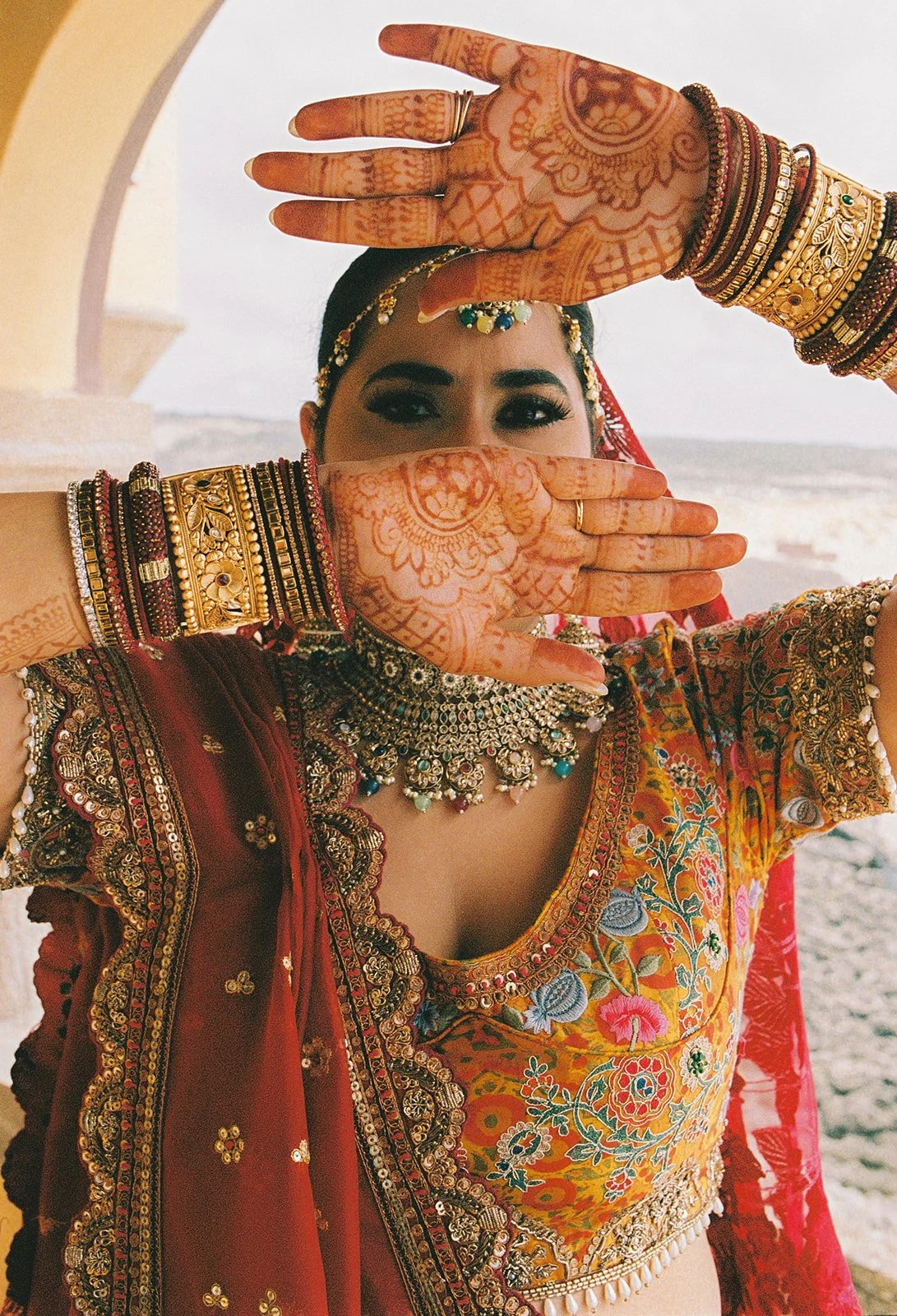
When we take on a wedding in Portugal, the first conversation we have about timing is about light. We look at the specific venue and its orientation: where does the afternoon light fall? What is the latest feasible time for portraits given the season? What interior spaces will have usable window light during the morning?
At Fortaleza do Guincho, portraits on the Atlantic cliffs are best in the hour before sunset, when the low light catches the ocean and the stone walls of the fortress. At Palácio de Queluz in Sintra, the long palace gardens provide diffuse, open light in late afternoon, making the period between 5:00 PM and 7:00 PM particularly strong for portraits. At venues in the Douro Valley, the terraced vineyards and the valley's distinctive atmospheric haze mean the quality of late-afternoon light is consistently exceptional between August and October.
These are not stylistic preferences. They are physical properties of each location that a photographer who photographs ten or fewer weddings per year has the time to understand and plan around. The natural light wedding venues in Portugal each have specific windows of time when they work best, and those windows shift with the season. The underlying principle is the same everywhere: light is the medium we work with, and the venue is the context in which it falls.
We also think carefully about what happens when the light is gone. Candlelit receptions, first dances under warm interior lighting, and the particular quality of Portuguese evening air on a stone terrace after dinner are all opportunities that a photographer who prioritizes available light will capture very differently. After more than sixty weddings, and with work published in British Vogue and Tatler, we know that couples who permit us to think in terms of light rather than just logistics receive a body of work that documents their day as it actually looked.
What You Can Do When Planning Your Day
The single most effective thing a couple can do to improve their wedding photographs is to schedule their ceremony to end at least ninety minutes before sunset. This gives time for a reception drink, a brief transition, and a thirty-to-forty-minute portrait session during the warmest and most flattering light of the day.
The second most effective thing is to choose a venue with interior spaces that have large windows or open corridors that admit natural light from the north or east. These create natural soft-box conditions during the morning and early afternoon that make getting-ready coverage exceptional without any supplemental lighting.
If your ceremony must happen at midday for logistical or cultural reasons, the solution is not to avoid it but to plan for it. An extended evening portrait session, a second outfit change at golden hour, or a late return to the venue after dinner can recapture the quality of light that the ceremony timing did not allow. We plan for all of these scenarios as part of how we structure a wedding day in Portugal.
Working with a photographer who photographs ten or fewer weddings per year means working with someone who can give this kind of attention to your specific day, your specific venue, and your specific season. That attention is what makes the difference in the final photographs, far more than any particular location ever could. After photographing over sixty weddings across Portugal, Italy, and France, and with work published in British Vogue and Tatler, we know that the choice of when to photograph changes more than any other single variable on your wedding day.
Frequently Asked Questions
What time of day is best for wedding portraits in Portugal?
Late afternoon, between 5:00 PM and 7:00 PM depending on the season, produces the strongest available light for wedding portraits in Portugal. In September and October, golden hour arrives around 6:30 PM, giving couples a window of forty-five minutes to an hour of warm, directional light on the Atlantic coast. Scheduling portraits in this window, rather than immediately after the ceremony if the ceremony happens at midday, makes a significant difference in the final photographs.
Does the venue affect how good your wedding photos are?
Yes, but not in the way most couples assume. A venue affects photographs through its orientation, the quality of its interior spaces, and how it interacts with available light at different times of day. A beautiful venue photographed in midday summer sun in June will produce less compelling images than a simpler venue photographed at golden hour in September. Light is the primary variable. The venue is the context it falls within.
What is the best season for wedding photography in Portugal?
September and October are the best months for wedding photography in Portugal. The sun angle is lower than in summer, which means golden hour is longer and more usable, temperatures are comfortable for couples and guests, and the Atlantic light has a quality that the harsh summer sun does not. April and May are also strong months for similar reasons. July and August produce the harshest light of the year and are the most logistically congested period for destination weddings in Portugal.
What does The Lopes Photography charge for weddings in Portugal?
We photograph from €10,000 for a full day of coverage in Portugal, and we take on ten weddings per year. Our work has been published in British Vogue, Vogue Arabia, and Tatler. For couples who want to discuss their specific date and how the light at their venue will affect their photographs, contact us through our website.
