
HOW WE WORK WITH COUPLES WHO DON'T LIKE BEING PHOTOGRAPHED
After photographing more than sixty weddings across Portugal, Italy, and France, and with work published in British Vogue, Vogue Arabia, and Tatler, we have found that the couples who say they hate being photographed are often the ones who end up with the most honest portraits. This is not a coincidence. And it is worth explaining why.
The phrase comes up in almost every inquiry we receive. "We are not photogenic." "We always look awkward in photos." "We just want natural pictures." What couples are describing, most of the time, is not a limitation. It is a preference. And it shapes everything about how we work.
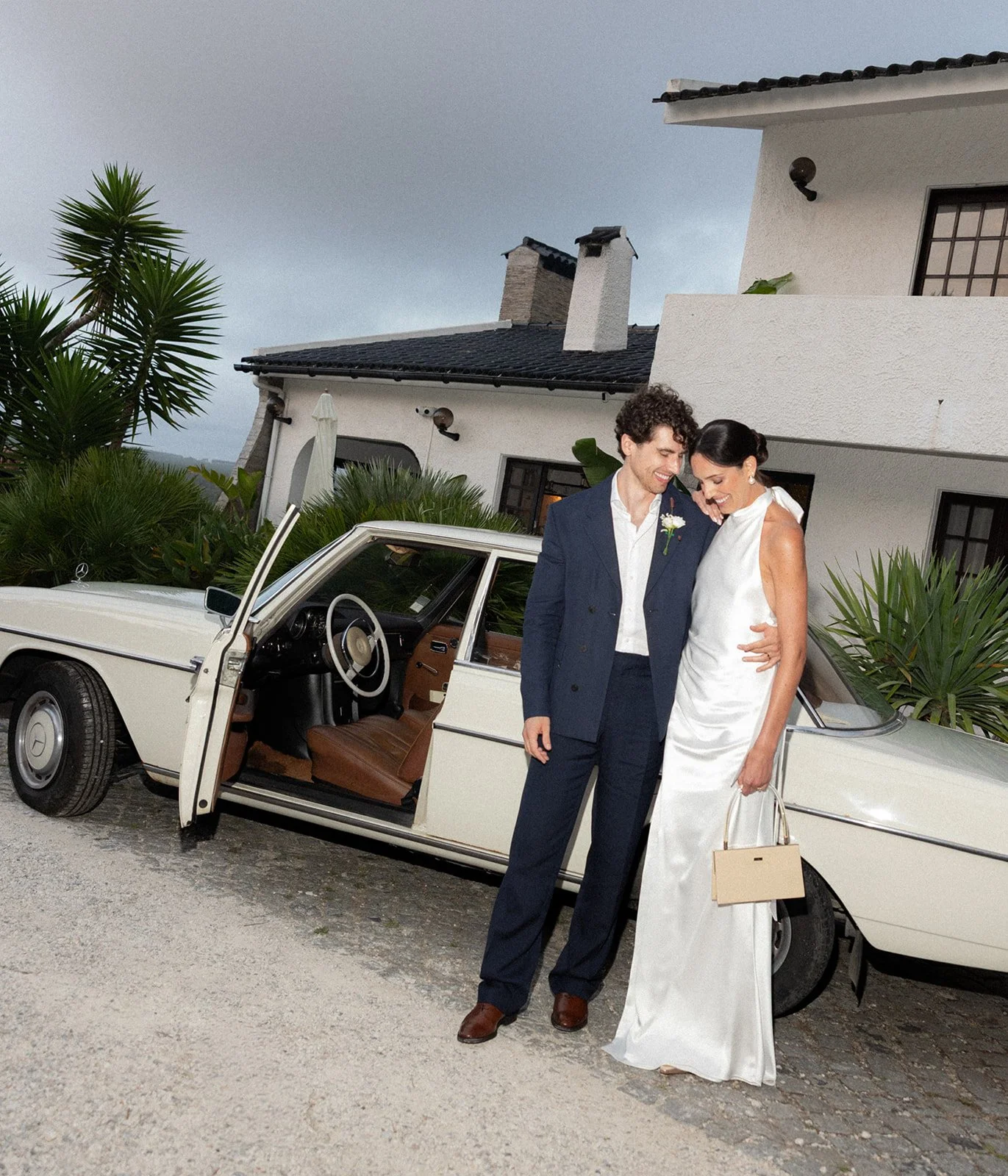
What Couples Actually Mean When They Say They Hate Photos
Most couples who say they hate being photographed are reacting to a specific kind of photography: one that asks them to perform emotions on command. They have been photographed at a milestone before, posed for a family portrait, or watched a photographer chase light at the expense of the moment. The experience felt transactional, and it left them with images that look technically correct but do not feel like them.
What they are not describing is a dislike of photographs themselves. They have images they love: a candid from a holiday, a still frame from a video, a picture taken when they did not know the camera was there. Those images feel true because nothing was performed. Our job is to close the gap between those two experiences.
This is the difference our approach to documentary wedding photography is built around: observation over direction, and pace over production.
How the Portrait Session Actually Works
We never ask couples to look at the camera and smile. The portrait session, which typically runs between forty-five minutes and one hour, is built around movement: walking, sitting, riding in a car, standing by a window. We give a loose direction and then step back. The less a couple thinks about what they look like, the more the image reflects who they are.
With Keely and Josh, we worked through the property's walled garden, interior rooms, and the vintage car parked by the entrance. None of those locations required them to do anything other than exist in a space they already felt comfortable in. The portraits that come out of this kind of session have a particular quality: they look like the couple is being observed rather than directed. That is because, within reason, they are.
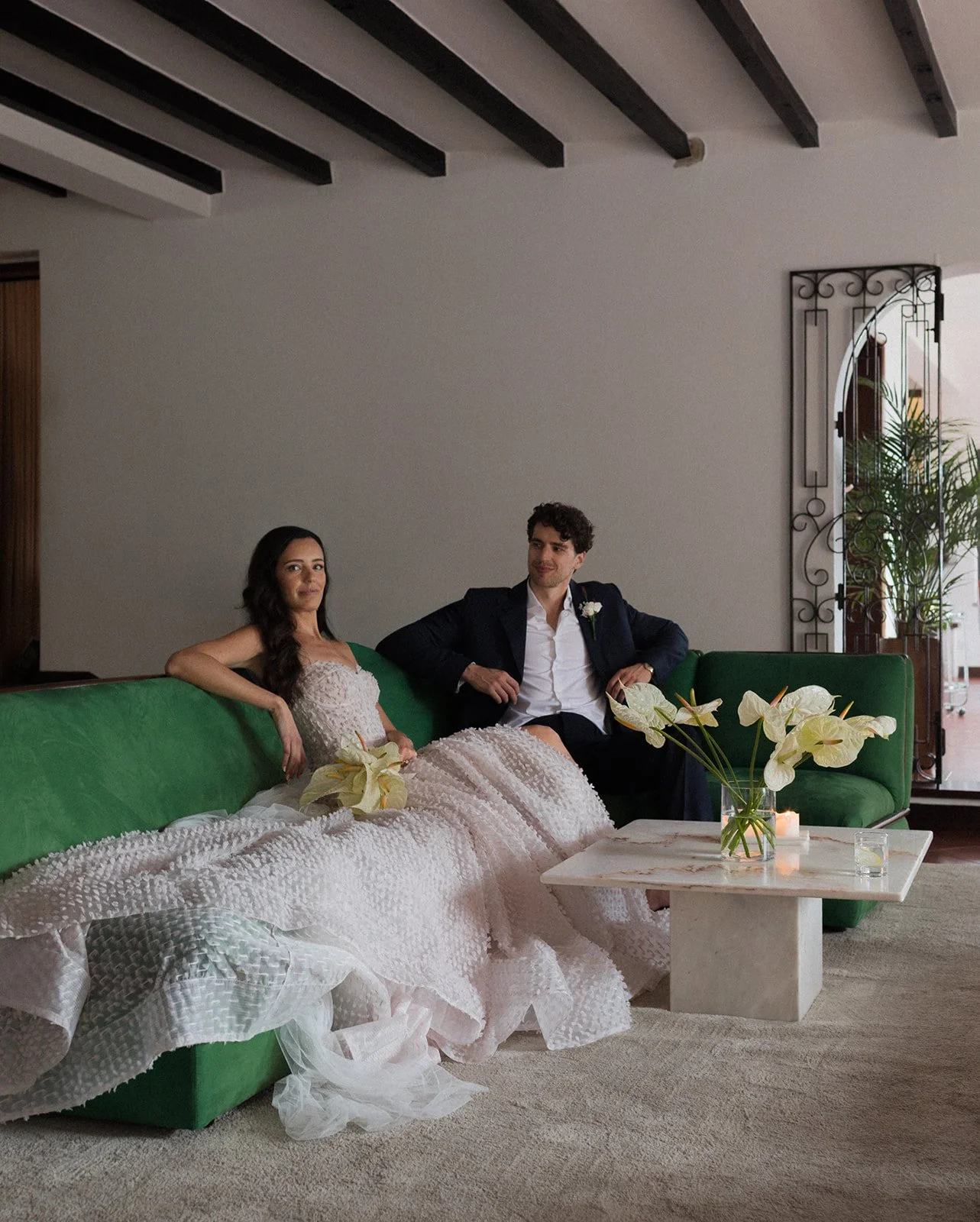
We also do not use wide-angle lenses for portraits. We shoot at distances that feel like a natural conversation, not a confrontation. Lenses that compress the distance between the camera and the subject reduce the feeling of being scrutinized. For couples who are not comfortable being watched, this is not a minor technical detail.
See the full gallery: Keely and Josh at Marqí.
Why the Getting Ready Hours Matter More Than Most Couples Realize
The best portrait often is not taken during the portrait session. It happens two hours before the ceremony, when a bride is sitting by a window in her dress for the first time, or when the groom is in a quiet room and something makes him laugh. We are already there for those moments.
By the time the formal portrait session begins, we have been present for several hours. Couples who have spent that time with us, doing their own thing while we document, are rarely nervous in front of the camera. They have had time to forget about it.
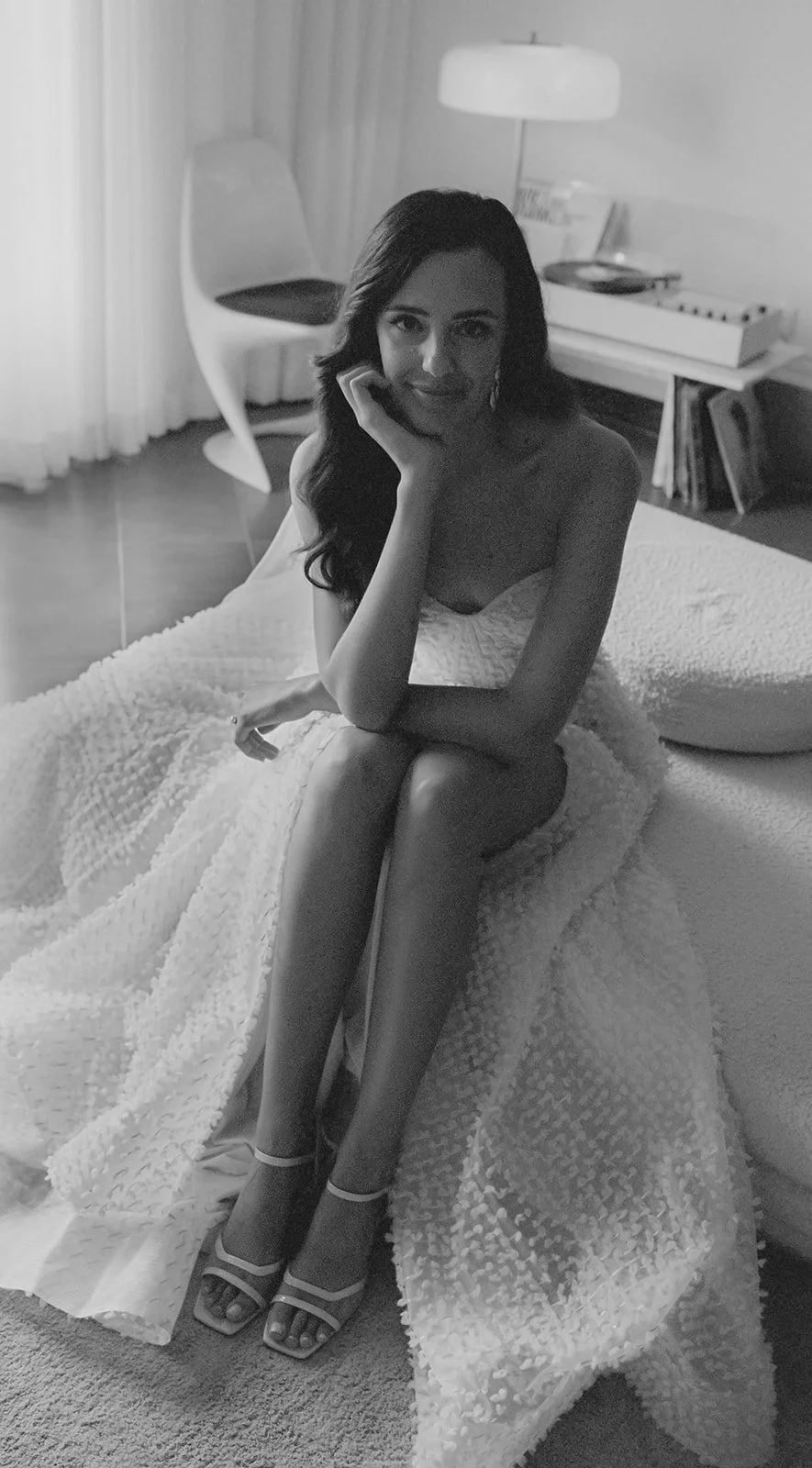
The getting ready hours are not preamble to the wedding day. They are part of it. When couples understand that, the entire day becomes a document of something real rather than a sequence of photographs to complete.
What the Ceremony and Reception Give You That Portraits Cannot
Not every couple wants a long portrait session, and that is a legitimate choice. Ceremonies and receptions give us something portraits cannot: unscripted emotion. A first look, vows being exchanged, the first dance, the moment when a parent sees the couple for the first time. Those images require nothing from the couple because the couple is not thinking about images.
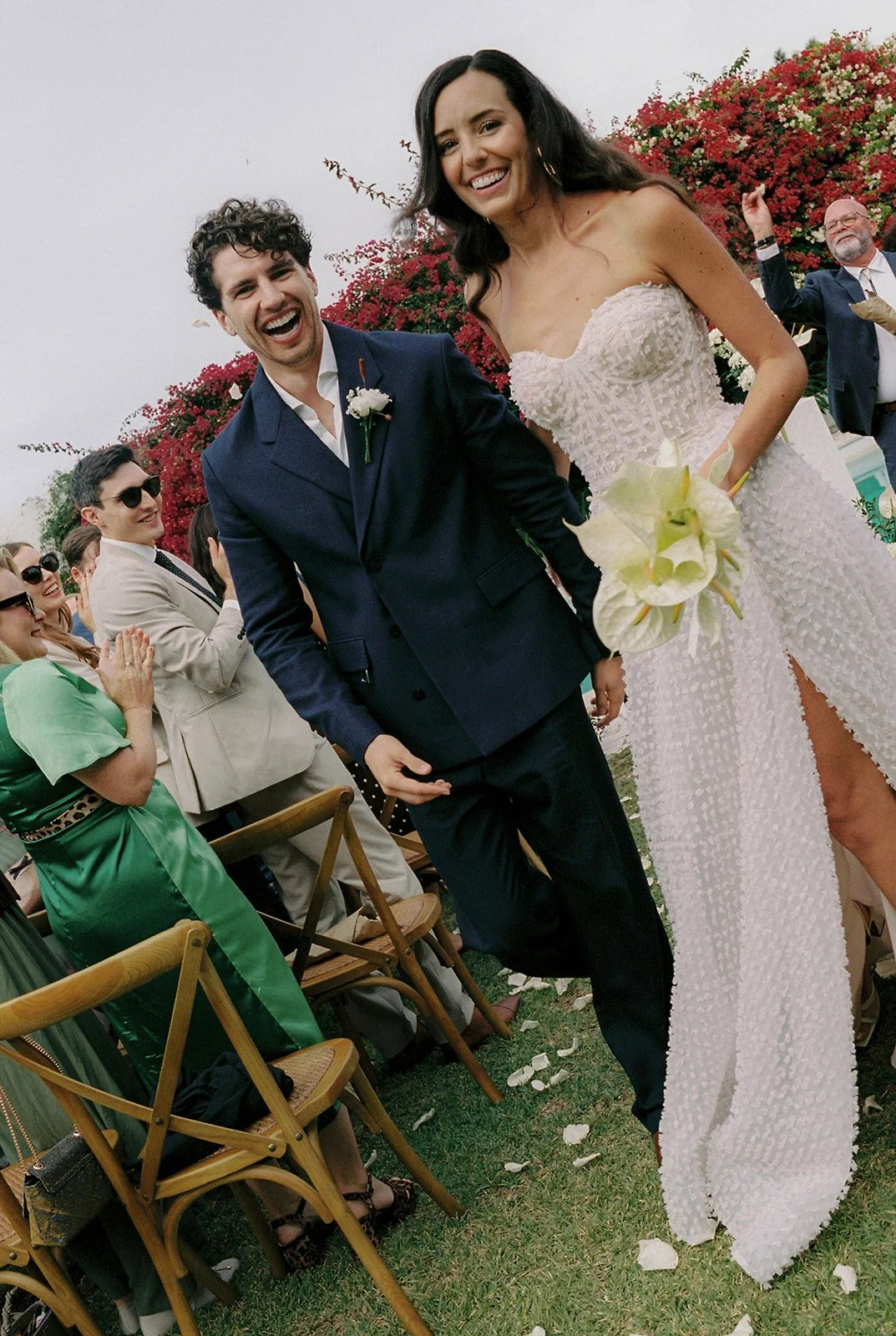
For couples who are genuinely uncomfortable with formal portraits, we recommend building a day where the documentary coverage carries more weight than a staged session. The photographs look different, but they are often more specific. A candid at the ceremony table tells a different story than a posed portrait by the estate gate. Both have their place. Neither is obligatory.
What We Never Ask Couples to Do
We do not ask couples to look at each other and whisper something. We do not engineer emotional moments or use forced laughter prompts. We do not suggest poses borrowed from fashion editorial shoots that have no relationship to the actual couple in front of us.
We also do not treat the portrait session as a production to be executed. If a couple is clearly uncomfortable, we stop. We walk somewhere, we have a conversation, we let the time pass differently. In ten years of photographing destination weddings, we have never returned from a session without images we were proud of, even when the couple spent the first fifteen minutes certain that would not be the case.
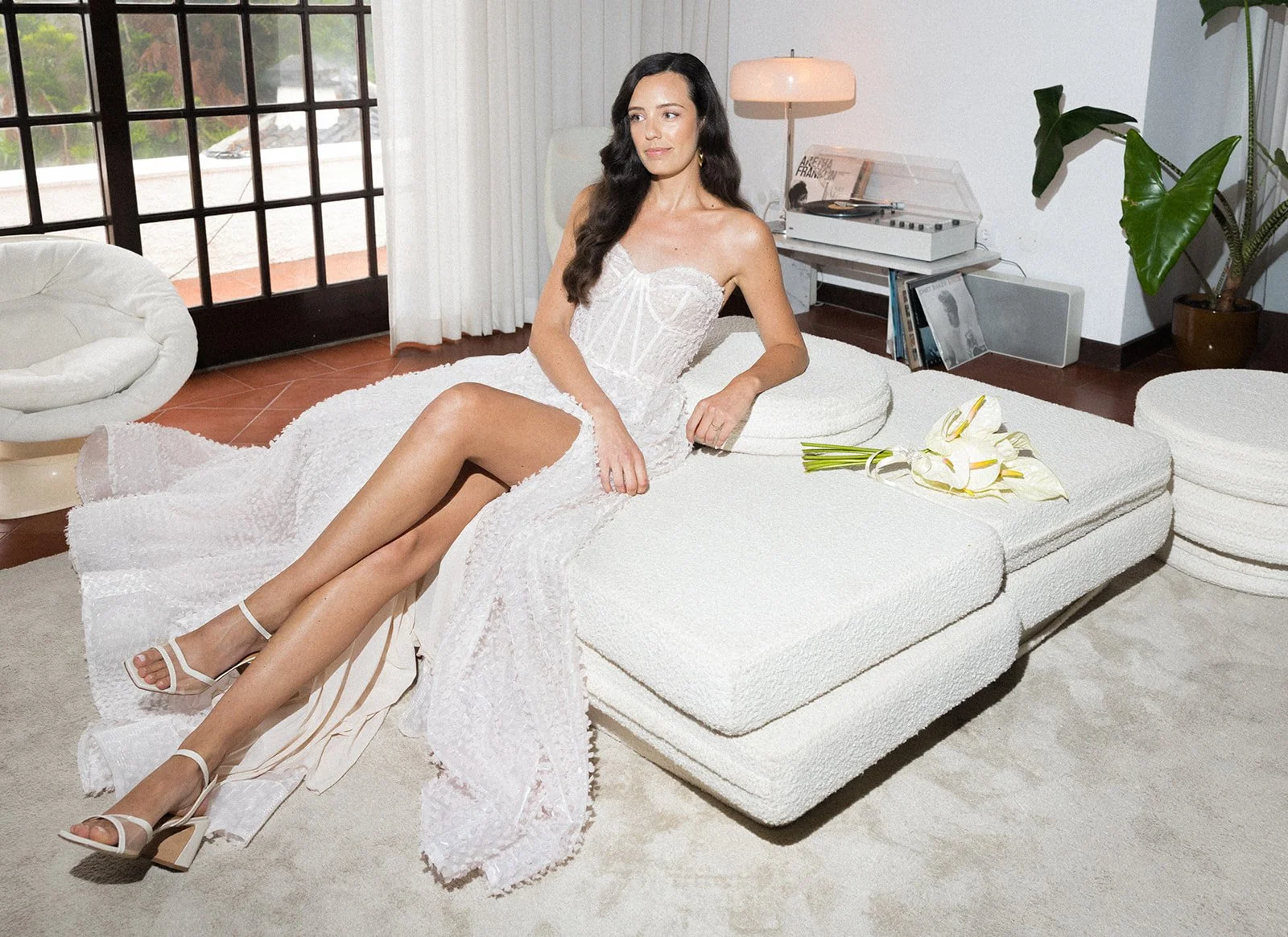
If you are still forming a picture of what this looks like in practice, our guide to finding the right wedding photographer in Portugal goes into the questions worth asking before you book anyone.
We do not suggest poses borrowed from fashion editorial shoots that have no relationship to the actual couple in front of us. That kind of directed posing has its place elsewhere in our work, in shoots such as That's Gucci, our fashion editorial at 138 Liberdade in Lisbon, but it does not belong in a wedding portrait session.
Frequently Asked Questions
What if we completely freeze up during the portrait session?
If a couple freezes, we stop. We sit down, have a conversation, or walk somewhere without the camera. The portrait session is not a performance with a fixed schedule, and there is no version of the day where we push through discomfort to get a shot. In practice, a few minutes of stepping back almost always resolves the moment. The day itself provides dozens of opportunities that have nothing to do with directed portraits.
Do we need a long portrait session if we are not comfortable in front of the camera?
No. A portrait session of twenty to thirty minutes produces a strong and varied gallery. More time creates more options, but the pressure to fill an hour does not serve couples who are genuinely uncomfortable. We calibrate the time to what the couple wants, not to what a standard run sheet would include. Ten weddings per year means we are not working from a fixed template.
What does your work with camera-shy couples actually look like in the gallery?
Our galleries from couples who described themselves as camera-shy look the same as the rest of our work: specific, unforced, and lit by whatever the day offered. The difference between a camera-shy couple and a couple who loves being photographed is almost invisible in the final gallery, because neither should look like they are posing for photographs.
If you have ever looked at photographs of yourself and felt like someone else is in them, that is the feeling we work to remove from the process. After photographing more than sixty weddings in Portugal, Italy, and France, and with work in British Vogue and Tatler, we understand that choosing a photographer changes not just the style of the images but the experience of being photographed. We take ten weddings per year. If you would like to talk through your date and what you are looking for, the best place to start is our contact page.
