
HOW TO CHOOSE A WEDDING PHOTOGRAPHER: WHAT NOBODY TELLS YOU
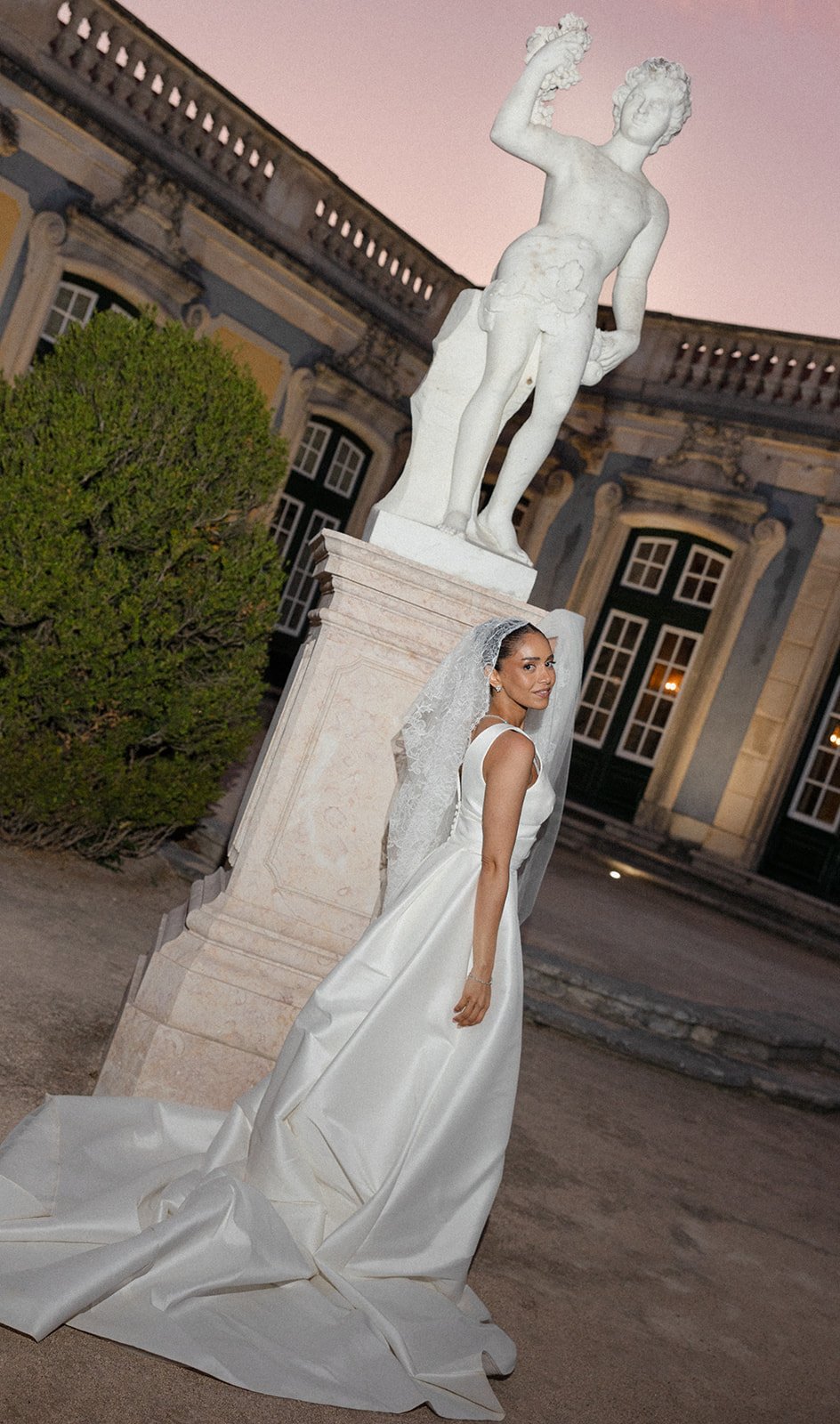
After photographing weddings across Portugal, Italy, and France, we've had a front-row seat to how couples approach this decision. Most of the time, the process starts in the right place: scrolling through work, forming a gut reaction, saving the images that feel closest to what they're imagining. But somewhere between discovery and booking, things tend to go sideways. Budget takes over before style is established, portfolios get compared on surface-level criteria, and the wrong questions end up being asked in the call.
This guide is what we'd tell a close friend who was just starting the search. Not a checklist to work through mechanically, but a way of thinking about the decision that leads to fewer regrets, and to images that still hold weight ten years from now.
Start with the work, not the price
The first thing most couples do is set a budget and filter from there. The logic is understandable. But when you start with price, you end up comparing photographers who have nothing in common except their fee, which tells you almost nothing useful about whether the work is right for you.
Start instead with three or four portfolios that genuinely move you. Look at them slowly, and look at more than the highlights reel. What you're looking for isn't a single image that catches your eye. Any photographer can produce one frame that reads well on a screen. What you're looking for is consistency across a full day.
A few things worth examining closely: Does the quality hold across different lighting conditions, or does everything look best in that forty-minute window before sunset? Are there indoor ceremony shots, reception interiors with difficult artificial light, late-evening coverage that doesn't fall apart? A portfolio that lives almost entirely in golden hour is telling you something about how the work performs when conditions don't cooperate.
Look also for a recognizable point of view. Editorial wedding photography isn't about recreating a certain aesthetic. It's about the photographer seeing in a way that's particular to them. The work should feel consistent, not because it's formulaic, but because it comes from a clear artistic perspective. If you can't tell whose portfolio you're looking at without the watermark, that's worth noting before you schedule a call.
What "high-end" actually means in wedding photography
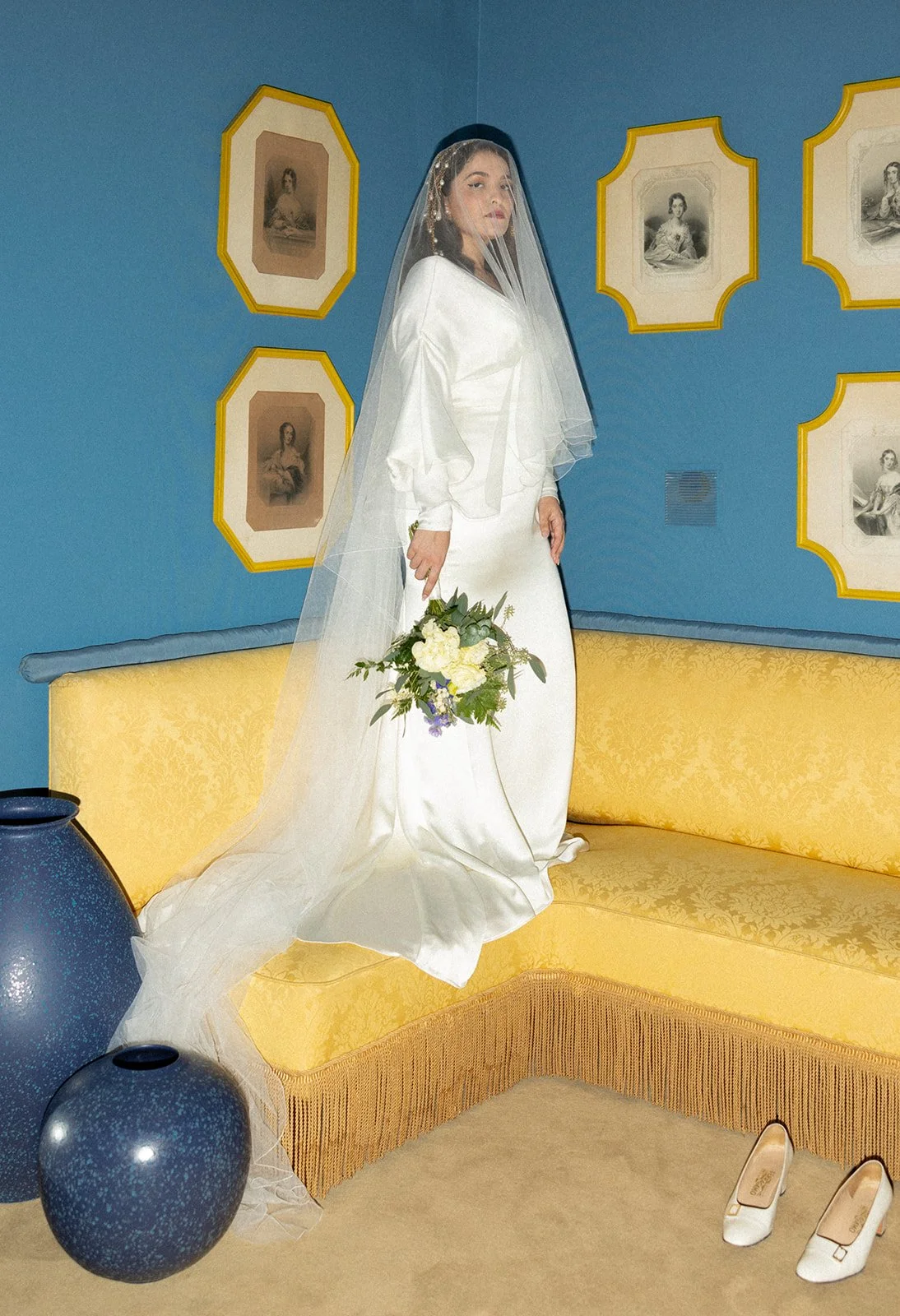
The word luxury gets attached to a lot of things in the wedding industry that have little to do with quality. In photography specifically, it tends to be applied to anything with a high price tag or a particular visual treatment: soft, warm, slightly hazed images that look appealing in isolation but don't hold up across a full gallery or across years.
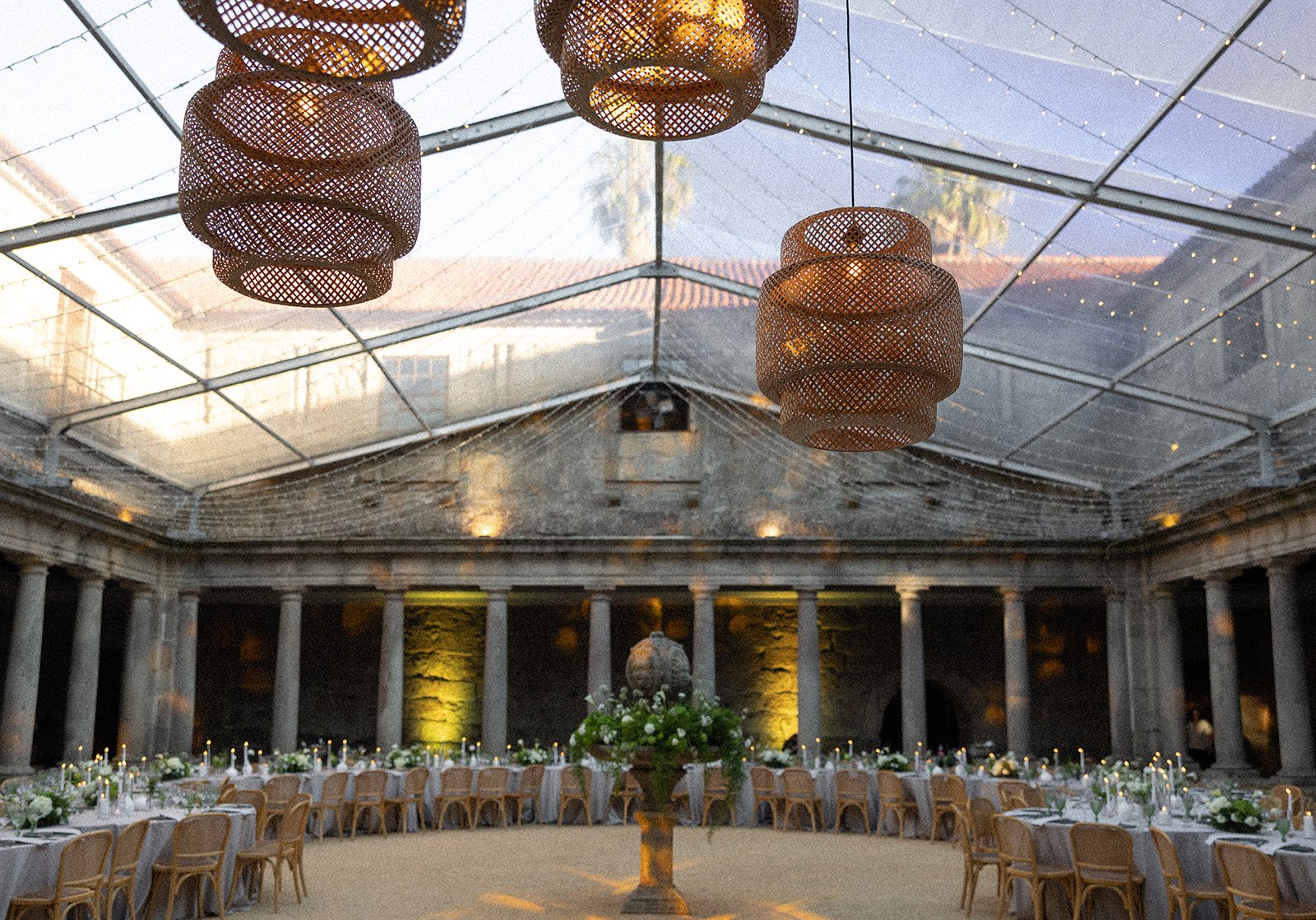
What we'd define as high-end is something more specific: the ability to produce consistent, meaningful work across every condition a wedding day presents. A mid-ceremony in a dark stone chapel with no natural light. A reception tent at 11 pm with whatever the DJ brought in. Getting-ready coverage in a hotel room that was designed by someone with no thought for photography. Any venue or situation that doesn't cooperate.
The photographers who do this well typically have genuine experience with demanding venues, a real understanding of artificial and off-camera lighting, and a working relationship with planners who help manage the day's pace and structure. They don't need perfect conditions because they've learned how to work honestly with whatever they find and how to make something from it.
What high-end doesn't mean: heavy post-processing that conceals weak source material, over-directed portraits that remove the couple from the moment they're actually in, or a portfolio assembled largely from styled shoots, which are produced under conditions that bear little resemblance to a real wedding day.
The questions that actually matter
A first call with a photographer is genuinely useful only if you ask things that reveal how they work, not just whether you like each other. A few that tend to give us the most information:
How many weddings do you photograph per year? Volume matters for two reasons. A photographer who takes on forty weddings a year is structurally different from one who limits the number, in terms of time, attention, and what their calendar means for your day. Neither is automatically the right choice, but it shapes the experience in ways worth understanding before you sign anything.
Can I see a full wedding gallery, not just highlights? A portfolio is curated. A full gallery shows you how the photographer handles the whole arc of the day: the transitions between moments, the dinner coverage, the last hour of the reception when energy drops, and the light is gone. If a photographer is reluctant to share one, that's informative.
How do you handle poor weather or low light? There's no single right answer, but there are answers that suggest comfort with difficulty and answers that suggest someone who works best when conditions cooperate. Ask about a specific situation they've navigated, not the hypothetical version.
What does your editing process look like? This tells you about both the timeline and approach. A photographer who processes a full gallery in a few days and one who takes three months are giving you different products, not just different wait times. Ask about what they're actually doing to the images in post.
Will you be the one photographing our wedding? Particularly relevant for larger studios. You may have fallen in love with the lead photographer's work without knowing that the associate shoots most of the actual weddings. This is a direct question worth asking.
How do you work with our venue and planner? A photographer doesn't work in isolation. They need to understand the timeline, know which spaces are accessible when, and have a relationship with whoever is running the day. Ask whether they'll connect with your planner before the wedding and what that handoff looks like.
For a fuller list of questions to bring to that first conversation, we've written a separate guide: Questions to Ask a Wedding Photographer Before You Book.
Local photographer vs. flying one in: does it matter?
This depends more on what you're trying to get from the images than on any general rule about proximity.
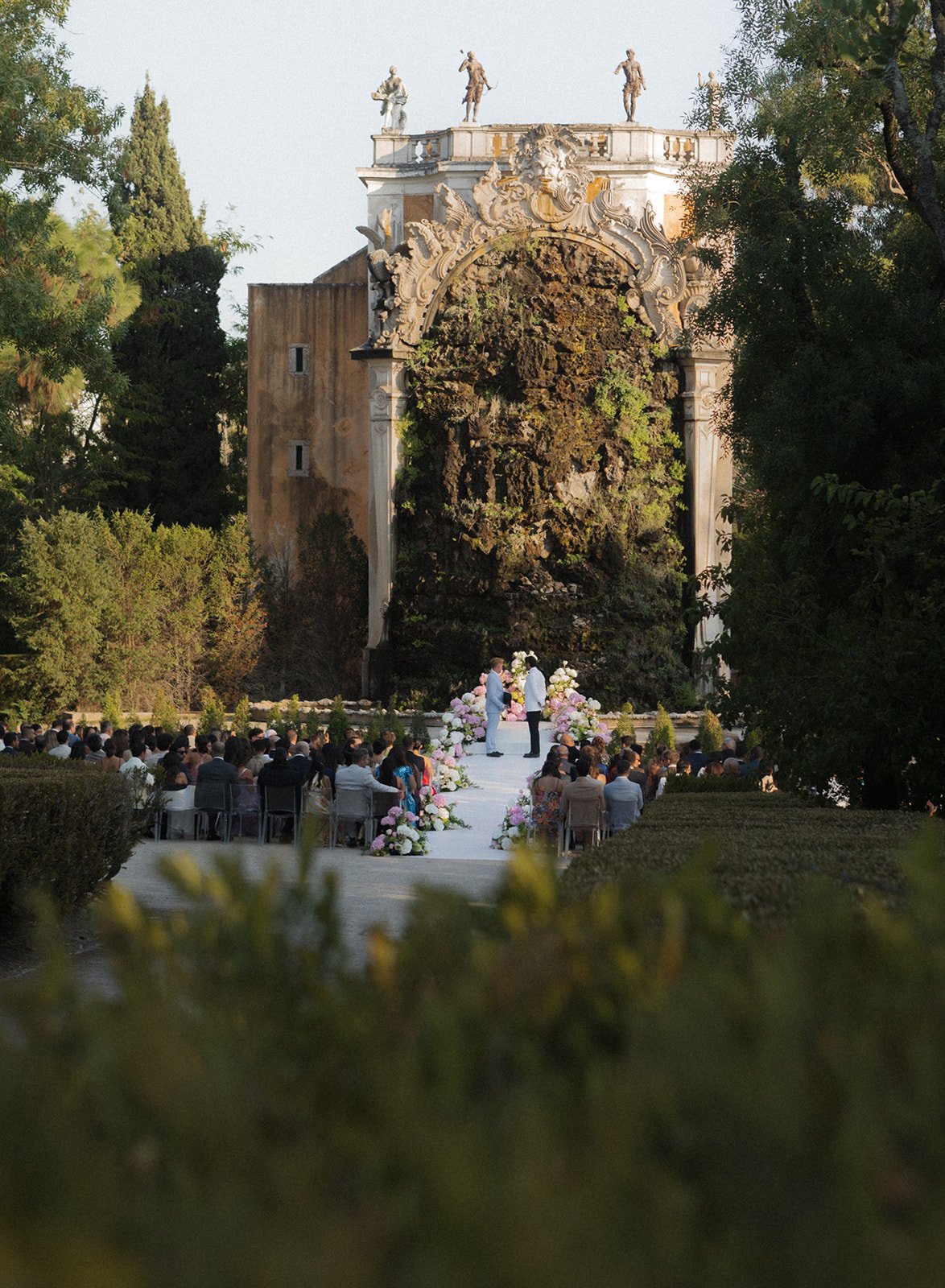
A photographer who has worked at your venue before knows things that can't be Googled or gathered from a site visit. Where the light comes through in the late afternoon. Which angles read as flat on camera, even though they look fine in person? Which corridors work for portraits when the main rooms are in use? Which members of the venue's events team will help move furniture and which ones won't? That knowledge changes the images in ways that are hard to quantify but easy to see.
A photographer flying in brings a different quality of attention, a fresh eye that comes from not being habituated to a space. That can produce genuinely original work. It also requires more preparation: a dedicated scouting session, extra coordination with your planner, and a longer runway before the wedding day to get up to speed on how the venue actually functions.
Neither approach is inherently better. The right question is whether the style and level of work you're drawn to is worth the additional logistical layer. If the photographer whose work fits your vision happens to be based several hours away, that distance rarely changes the final images. It does change the process of getting there, and that's worth factoring in, honestly, on both sides.
We're based in Olhão, in the Algarve, and we photograph throughout Portugal, Italy, France, and across Europe. When we work outside our regular venues, we build in a scouting trip and coordinate closely with the local planner. That preparation is part of the work, not an afterthought.
For more on how destination photography costs take shape, our guide to destination wedding costs in Portugal covers the components in detail.
Red flags to watch for
A few things we'd look at carefully before signing anything:
Heavy or consistent filtering across the portfolio. A distinctive editing approach is part of a photographer's identity, and that's not the concern. The concern is a portfolio where every image has the same aggressive treatment: strong golden tones, pronounced grain, heavy shadow lift, in a way that may be obscuring what the underlying source material actually looks like. A full gallery from a real wedding, unselected, tells you more than any highlight reel.
Difficulty or reluctance to share a full gallery. This is a reasonable request to make before booking, and a professional should be able to honor it. A photographer who can only show curated selections is giving you an incomplete picture of what you're actually purchasing.
No experience at your venue. This matters more at technically demanding venues than at others, but it's worth asking directly. If the answer is no, the follow-up question is what their preparation process looks like. The answer to that tells you a great deal.
An unclear or missing contract. Every professional engagement should be governed by a clear agreement covering what's included, what happens if something goes wrong on the day, how and when images are delivered, and what rights you have to the work. A photographer who can't produce a contract is not operating at a professional level, regardless of how the images look.
Evasive answers about backup equipment. Camera bodies fail. Memory cards corrupt. A working professional should have redundancy built into their kit and a clear, straightforward answer about what happens if something goes wrong during their day.
Once you have that broader lens, the next step is to look at how the photographer’s approach actually shapes the wedding day experience itself — not just the gallery you receive later.
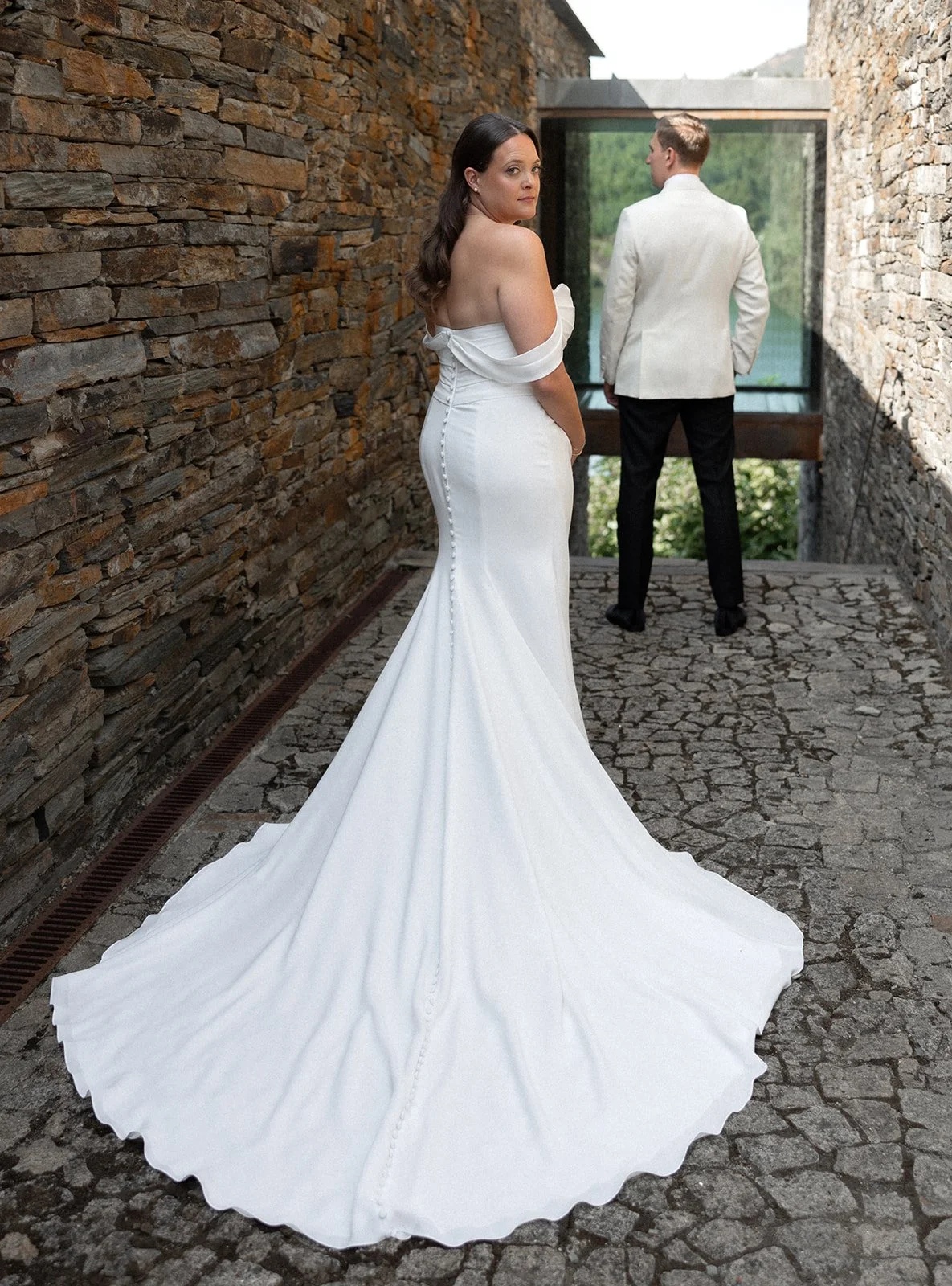
Choosing Your Wedding Photographer? Questions We're Often Asked
How far in advance should I book my wedding photographer?
For most destination weddings, twelve to eighteen months ahead is the realistic window for photographers whose work you genuinely want. For very in-demand photographers or peak-season dates, particularly May through October in Portugal and Italy, eighteen months or more is common. The photographers whose calendars fill earliest are usually the ones worth booking earliest.
How much does a high-end wedding photographer cost?
Rates vary by geography, experience, and what's included in the engagement. In Portugal and across southern Europe, established editorial photographers typically start in the range of €6,000 to €10,000 for full-day coverage, with multi-day and multi-photographer engagements ranging higher. Travel, Super 8 film, and second-shooter additions are usually quoted separately. Our guide to destination wedding costs in Portugal breaks down how photography fits into the broader budget picture.
Should I hire a local or destination wedding photographer?
Local photographers bring venue familiarity; destination photographers bring style specificity and a fresh perspective. The more useful question is whether the work you're drawn to is local or not, and whether the photographer you want has a clear, documented preparation process for venues they haven't worked at before. That process matters as much as the proximity.
What's the difference between an editorial and a documentary photographer?
Documentary photography prioritizes unmediated observation: the day as it unfolds, without intervention. Editorial photography brings a stronger point of view to how moments are seen and framed, drawing on visual languages closer to fashion and fine art. In practice, most good wedding photographers work somewhere on a spectrum between the two, and the label they use matters less than whether the output looks like the images you're drawn to. If you're curious about how film fits into that picture, our guide to Super 8 wedding films explains how we integrate it into our work.
How do I know if a photographer is the right fit?
The portfolio is the primary signal: not a single image but the full body of work seen as a consistent whole. Beyond that, a genuine conversation about how they approach a wedding day, what they find worth photographing, and how they handle things when the plan changes tells you a great deal about whether the working relationship will function. You don't need to feel an immediate personal connection, though that helps. You do need to feel confident that they understand what you're trying to make.
If you're in the process of building your vendor list and want to talk through what your day might look like, we're available to answer questions, no commitment required, just a conversation. You can reach us through our contact page, or take a look at the full scope of what we offer on our services page.
