
QUESTIONS TO ASK A WEDDING PHOTOGRAPHER BEFORE YOU BOOK
Most couples choose a wedding photographer the way they choose a film: by the look of it. They scroll through portfolios, respond to a particular quality of light or a specific way of rendering movement, and make a decision that is largely visual. That instinct is sound. But it often stops too short.
Before committing to a photographer for a destination wedding, there is a set of questions worth asking clearly. Not because the conversation is difficult, but because a destination wedding involves real logistics, a long planning window, and a working relationship that extends well past the wedding day itself. At The Lopes Photography, a husband-and-wife studio published in Vogue Arabia, Vogue Australia Weddings, and Tatler, and limited to ten weddings a year across Portugal, Italy, and France, we hear these questions regularly. The answers reveal more than any portfolio can.
Style and Approach
What is your photographic style, and how do you direct a couple?
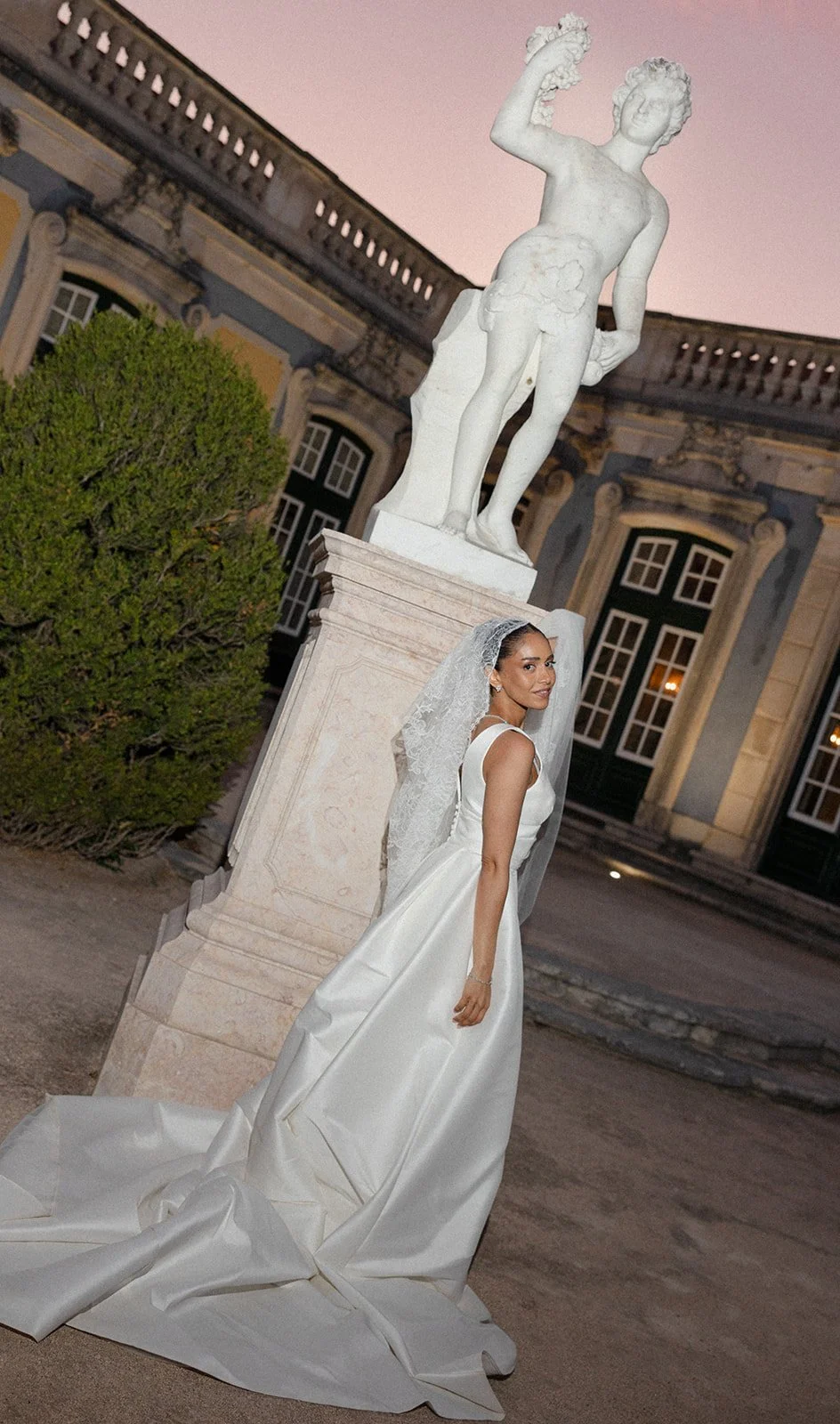
"Editorial" and "documentary" are the two poles most photographers use to describe themselves, but in practice, the line between them is rarely clean. Ask specifically: do you give us direction, or do you prefer to observe? A studio that documents everything without involvement produces different images than one that occasionally adjusts a position, a gaze, or the relationship between a couple and their surroundings. Neither approach is wrong, but they produce different results. We work in both registers within the same day. Ceremonies and receptions are almost entirely unplanned. Portrait sessions involve a degree of direction while preserving something that feels genuine rather than staged.
How does your editing affect how we will look?
Editing is as much a part of the photograph as the moment captured. Ask whether the studio has a consistent and recognizable editing approach, or whether they adapt to external references. Ask who does the editing. At The Lopes Photography, all editing is done by Savannah, which means every image passes through the same eye and the same standard. The work you see in the portfolio is the work you will receive.
Experience and Destination Fluency
How well do you know our venue and our destination?
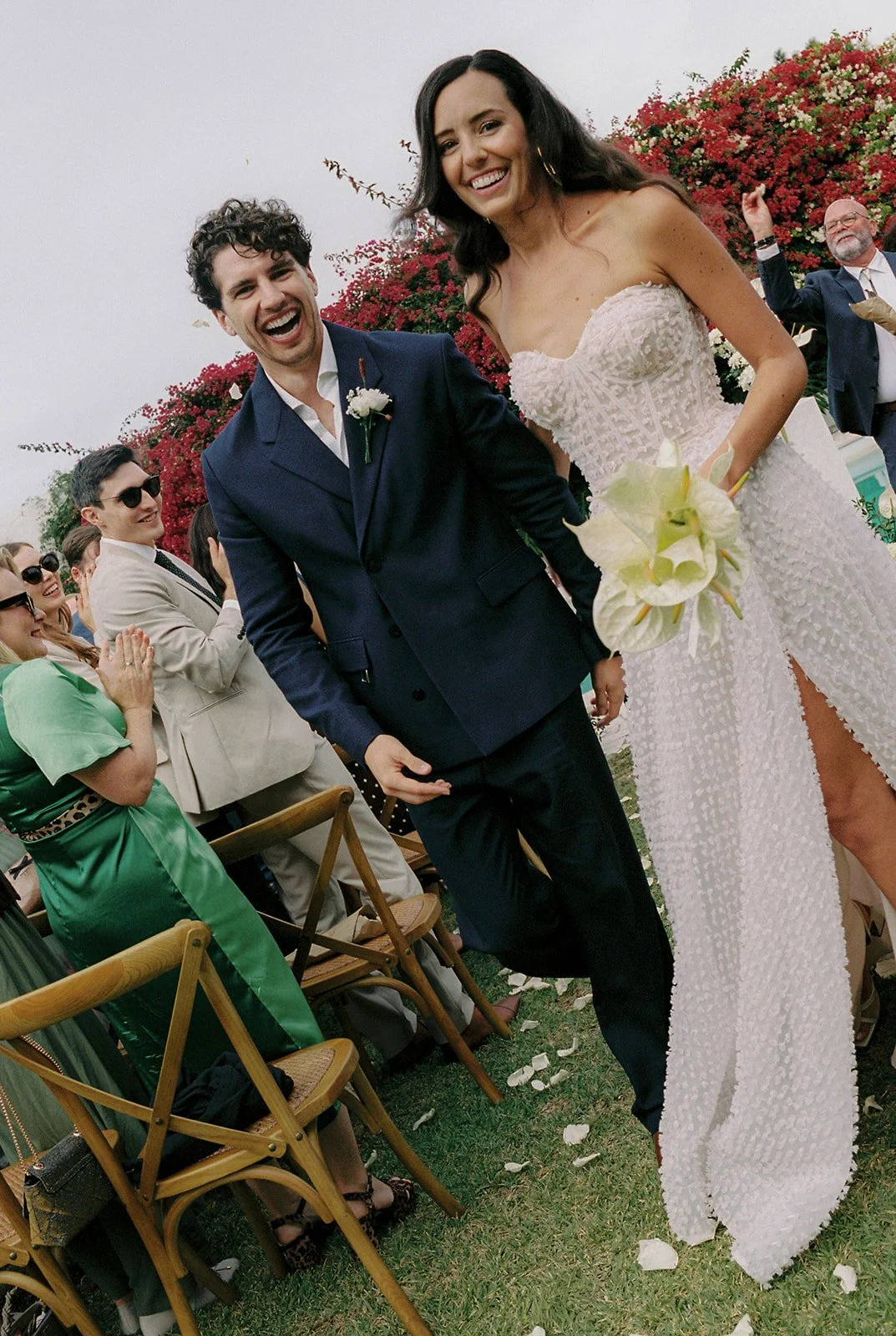
There is a meaningful difference between a photographer who has worked extensively in a region and one who has arrived for a single wedding. Familiarity with a destination means knowing where the light falls in a particular courtyard at five in the afternoon in July, which direction the wind typically moves at a clifftop venue, and which moments during a wedding day tend to compress and which tend to stretch. We are based in the Algarve and photograph regularly in Portugal, Italy, and France. That familiarity shapes decisions we make before a camera is ever raised.
Will you visit our venue before the wedding day?
For a destination wedding at a venue you have not worked in before, a site visit is worth asking about directly. Some photographers factor this into their planning process; others scout on the morning of the wedding. Ask what the approach looks like, how it affects the timeline for the day, and whether your venue has restrictions on photography in specific areas or at specific times.
Coverage and Logistics
How many hours of coverage does our wedding include, and how do we build a timeline together?
Coverage hours determine what is possible within a day. If you want a full getting-ready sequence, a portrait session, ceremony coverage, cocktail hour, and an evening reception, the math needs to work before the date is confirmed. We work closely with our couples to build timelines that protect the most important moments without creating artificial pressure on any part of the day.
Will there be a second photographer?
The value of a second photographer is not simply more images. It is the ability to be in two places at the same moment when the day requires it. One lens can be at the ceremony entrance while the other is already at the altar. Ask whether a second photographer is standard, optional, or not offered at all, and what their level of experience is.
What happens if something goes wrong on the day?
Cameras fail. Cards fail. Photographers get sick. The question is not whether something can go wrong but what the contingency looks like. Ask specifically about backup equipment, backup storage on the day, and what would happen if the primary photographer were unable to work. For a studio that photographs ten weddings a year, each one is irreplaceable. Our answer to this question reflects that directly.
Film and Super 8
If we are interested in film or Super 8, what does that actually change?
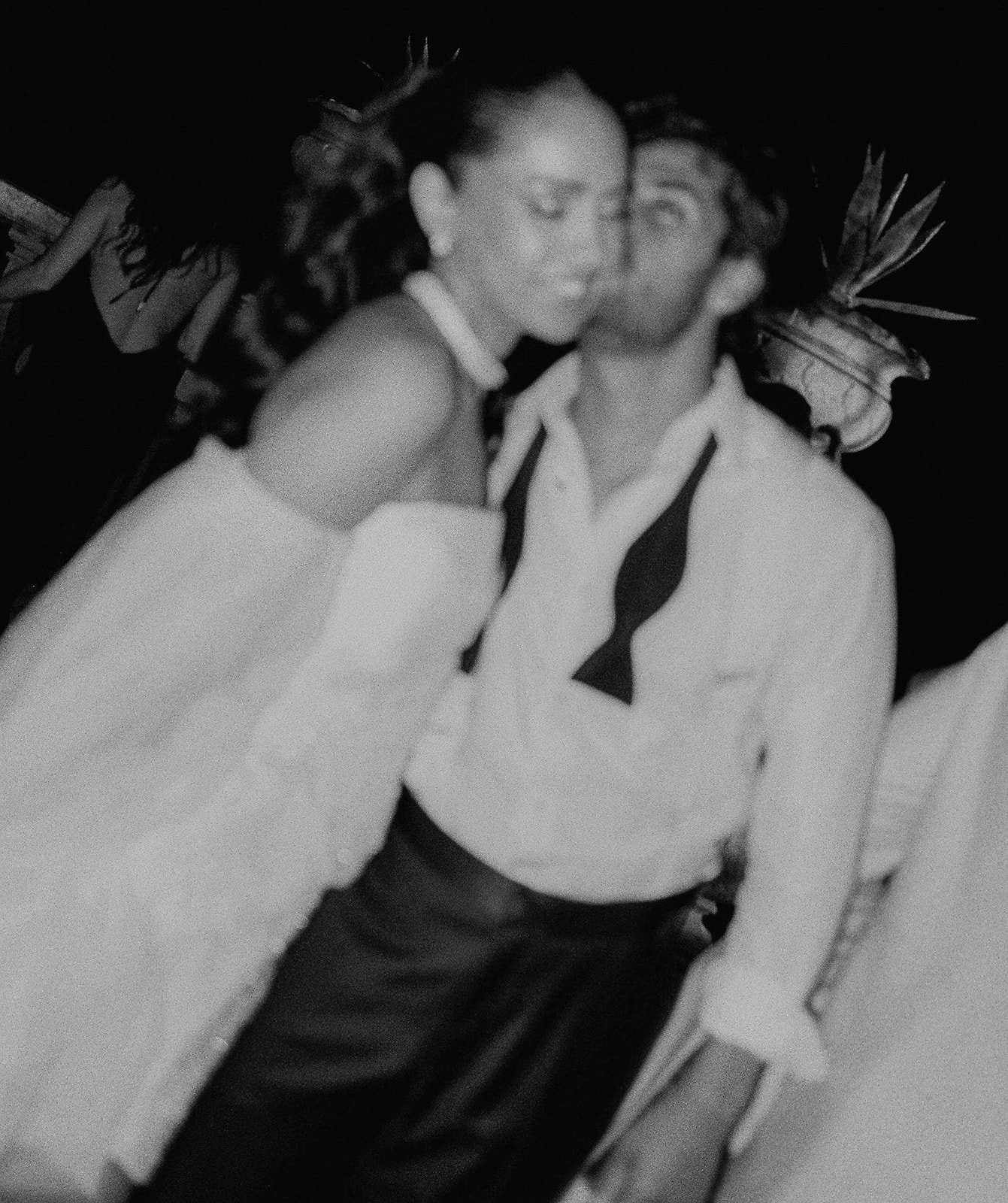
Analog film and Super 8 are not filters or presets. Film is a physical medium with its own grain structure, its own latitude, and its own response to light. Super 8 is a motion picture film shot on a format from the 1960s, and it produces footage that no digital camera can replicate. If you are drawn to the look of film in a portfolio, ask directly whether those images were shot on film or processed digitally to resemble it. At The Lopes Photography, our film and Super 8 work is genuine.
Is Super 8 available as a standalone, or does it require a photography booking?
At TLP, Super 8 film coverage is available as a standalone addition for couples who already have a photographer and want motion picture film added to their day. Our standalone Super 8 rate starts at 3,000 euros, with flat-rate travel for destinations outside Portugal. The reel is developed and scanned, then delivered as a short film that stands on its own as a record of the day.
Investment and Process
What is included in your investment, and what is not?
The base investment should always be stated clearly. Ask what changes the total: overtime coverage, travel, accommodation for multi-day events, a second photographer, analog film, Super 8, prints, or expedited editing. A clear answer to this question before booking protects both sides and removes ambiguity from the planning process.
Who edits the images, and how long will delivery take?
Editing timelines vary significantly across studios. Some deliver within four weeks; others take six months. More important than the number is understanding who does the editing and whether that person is the same one whose work appears in the portfolio. If a studio outsources editing to a third party, the result may not match what you expected. Ask directly.
How do you handle backup and storage after delivery?
Wedding images cannot be recreated. Ask whether the studio retains a backup copy after delivery, for how long, and in what format. At The Lopes Photography, we retain redundant backups throughout the editing process and for a period after the final gallery is delivered.
Planning a Wedding with a Photographer? Questions We're Often Asked
How many questions should I ask a wedding photographer before booking?
There is no fixed number, but the questions that matter most relate to process and logistics rather than portfolio alone. Style is something you can evaluate visually. Understanding how someone works under pressure, how they handle unexpected situations, and what your images will look like several months after the wedding requires a direct conversation. A photographer worth booking will answer these questions clearly and without hesitation.
What should I look for when choosing a wedding photographer for a destination wedding in Europe?
Regional familiarity matters more than general experience. A photographer who has worked extensively in Portugal understands the specific quality of late-afternoon light at a palace garden in midsummer. Ask not just about their broader portfolio but about their work in your specific destination. Look also for consistency: does the work hold the same standard across different venues, different lighting conditions, and different couples, or does it shift significantly from one setting to the next?
What should I ask about the investment before booking?
Start with what is included in the base figure and work outward. Ask about travel and accommodation for destination weddings, whether overtime is available and at what rate, and whether film or Super 8 are included or listed separately. A clear conversation early allows both sides to plan with confidence and avoids misunderstandings later.
How do I decide between a local photographer and one who travels to my destination?
Both choices have genuine merit. A photographer based in your destination may bring deep familiarity with a specific venue and its logistics. A photographer who travels to your destination for a limited number of weddings each year may bring the same depth, built across a wider range of venues and lighting conditions. The more useful question is not local versus international, but whether the photographer has specific experience in your destination and how that translates to the decisions made on the day. For a fuller guide to making this choice, read How to Choose a Wedding Photographer.
If you are ready to ask us these questions directly, we would be glad to hear from you. Reach out through our contact page.
