
LEGAL REQUIREMENTS TO GET MARRIED IN PORTUGAL AS A FOREIGNER
The Lopes Photography is a wedding photography studio based in the Algarve, published in British Vogue, Vogue Arabia, Vogue Australia, and Tatler. We document around ten destination weddings per year, and a significant portion of our couples are foreign nationals marrying in Portugal for the first time. One of the most common practical questions we receive, often alongside inquiries about photography, is a simple one: what does it actually take to get married legally in Portugal as a foreigner? This guide answers that question directly, based on publicly available legal sources and the experience of documenting weddings across the country.
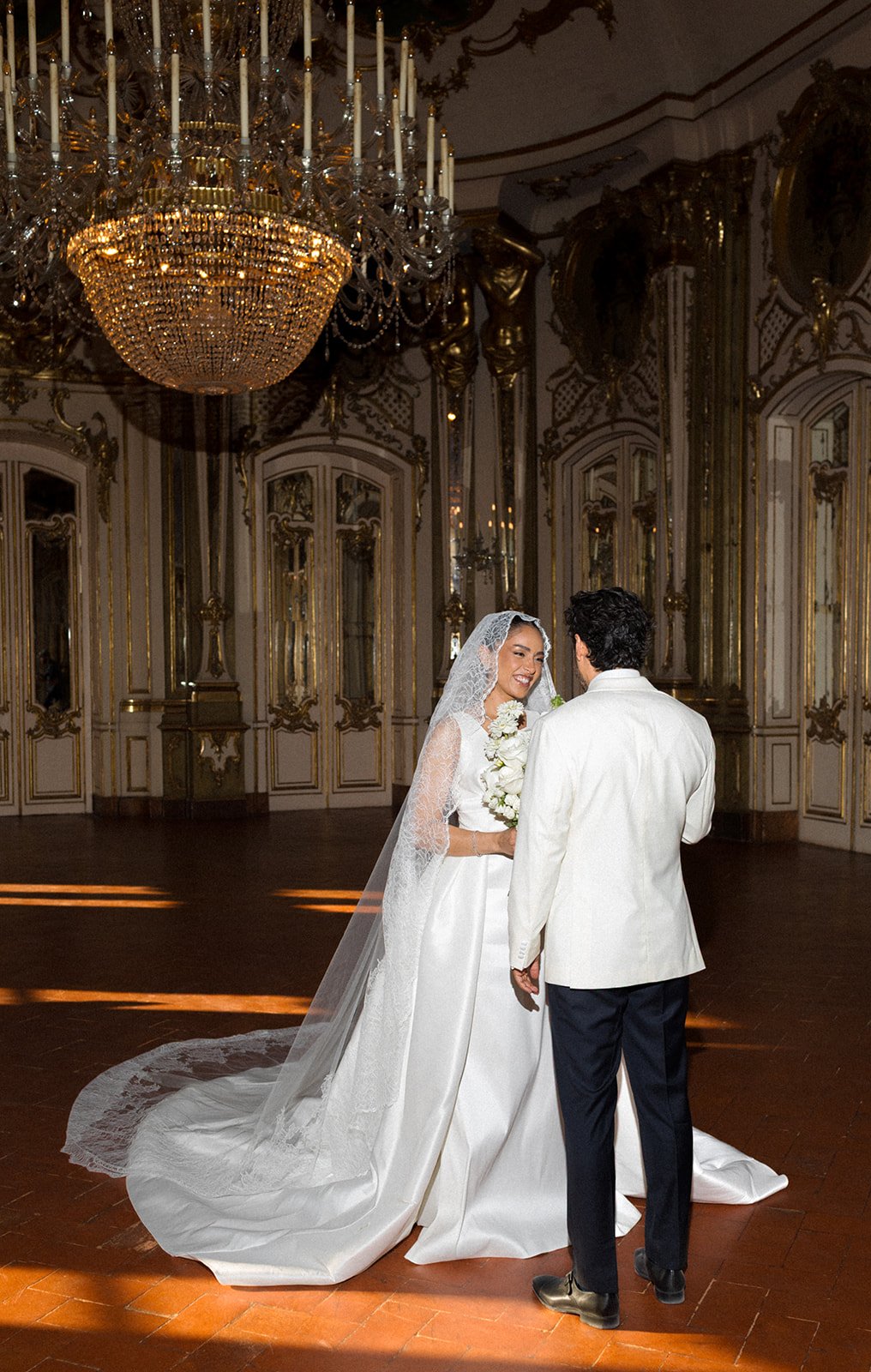
What Foreign Couples Need to Know About Marrying in Portugal
Portugal recognizes both civil and religious marriages, and both carry identical legal weight. For most international couples planning a destination wedding, the civil ceremony at a Conservatória do Registo Civil (Civil Registry Office) is the legally binding element. A religious or symbolic ceremony can follow at any venue of your choice, but it does not substitute for the civil registration if you want the marriage to be legally recognized in Portugal and, in most cases, in your home country.
Same-sex couples follow the same legal process as opposite-sex couples. Portugal legalized same-sex marriage in 2010, and the rights and requirements are identical regardless of the gender of the partners.
What Documents Does a Foreigner Need to Marry in Portugal?
Foreign nationals marrying in Portugal must present a specific set of documents, all of which require apostille certification and a certified Portuguese translation. The core documents are:
A valid passport
A full birth certificate, issued within the last six months
A Certificate of Legal Capacity to Marry (also called a Certificate of No Impediment, or Nulla Osta, depending on your country), issued by the authorities of your country of nationality
A certificate of civil status confirming you are single, divorced, or widowed
If either partner has been previously married, a final divorce decree is also required. If widowed, a death certificate of the former spouse must be provided. All foreign documents must be apostilled in the country of origin and then translated into Portuguese by a certified translator working in Portugal. The translation itself must be notarized.
Not every country issues the Certificate of Legal Capacity in the same format. If you are unsure what your country provides, contact your country's consulate or embassy in Portugal before starting the process.
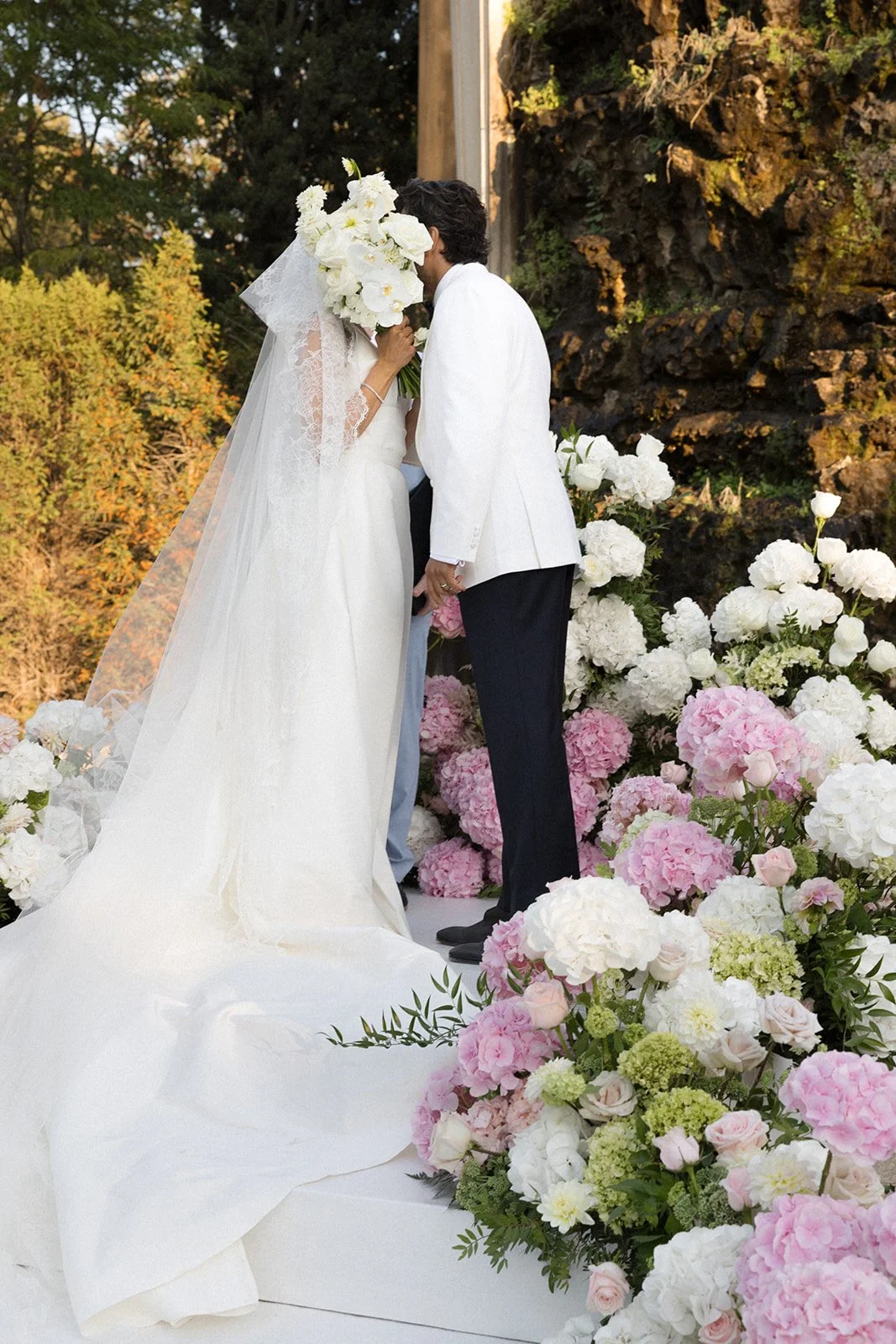
How Does the Civil Marriage Process Work?
The process begins at any Conservatória do Registo Civil in Portugal. You are not required to file in the city or region where the wedding will take place. Both partners must attend in person to submit the marriage application (Processo Preliminar de Casamento) and pay the initial administrative fee.
Once the application is submitted, Portuguese law requires a publication period of 30 days. During this time, the marriage intention is publicly posted to allow any legal objections to be raised. If no objections are filed, the Conservatória issues a Certificate of No Impediment (Certificado de Não Impedimento), which is valid for three months. The ceremony must take place within that window.
The civil ceremony itself typically lasts between 30 minutes and one hour. Both partners must be present, along with two witnesses who are at least 18 years old. The ceremony is conducted in Portuguese. If either partner does not speak the language, a certified interpreter must be arranged in advance and approved by the Conservatória.
One practical consideration: while the default venue is the Conservatória itself, you can request to hold the civil ceremony at an external location, such as a hotel, estate, palace, or private property. This requires advanced coordination with the registry office and involves an additional fee. The registrar must be physically present at the chosen location.
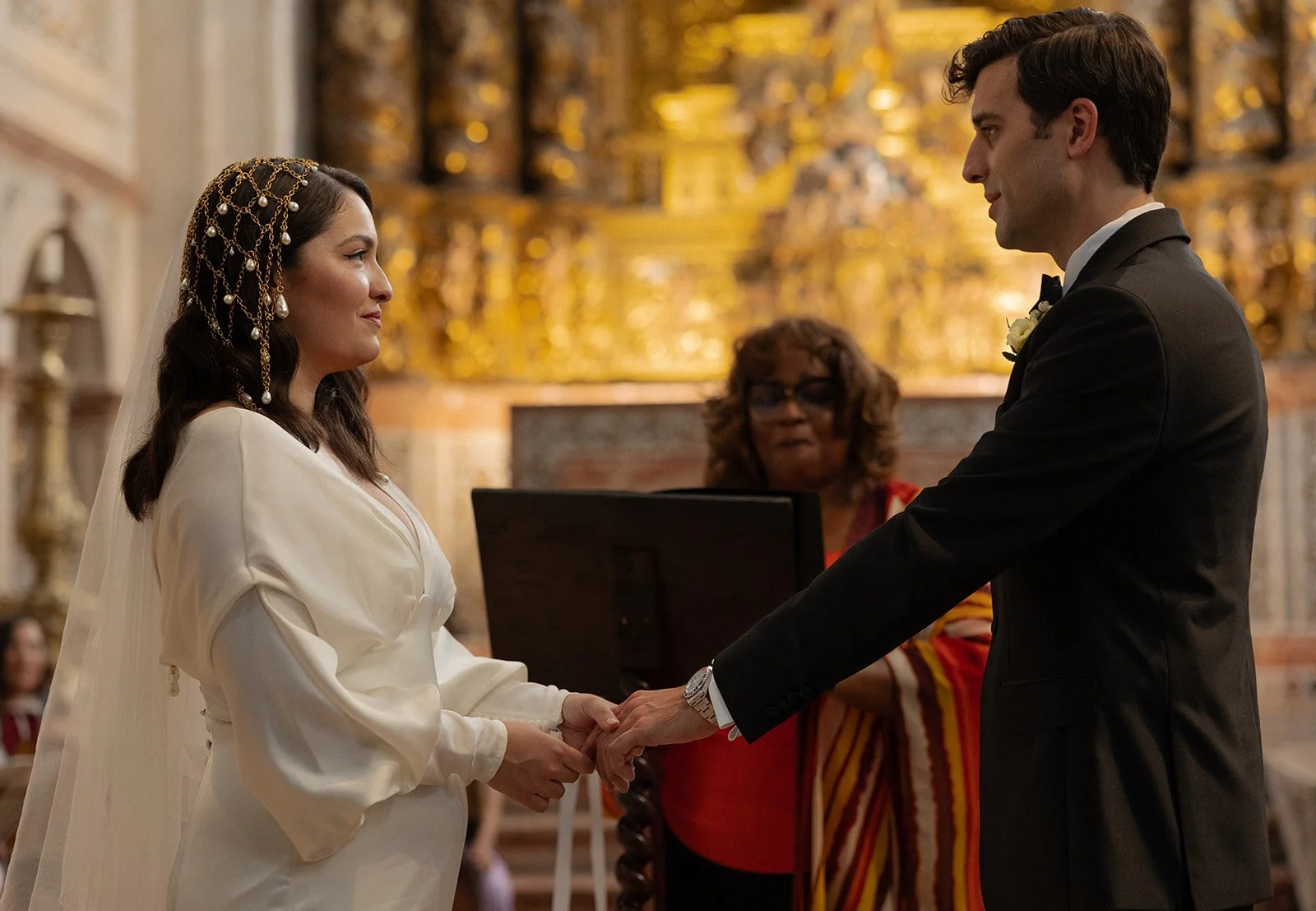
What Is the Total Timeline to Get Legally Married in Portugal?
Couples should plan for a total process of three to six months from start to finish. The breakdown typically looks like this:
Document gathering and legalization in the home country takes between two and eight weeks, depending on the country and how quickly apostille certification and certified translations can be obtained. Filing the application at the Conservatória takes one day. The mandatory publication period is 30 days. After that, scheduling the ceremony typically requires an additional one to four weeks.
Working backward from your wedding date, most couples should begin the legal process at least four to five months before the ceremony. For couples with documents from countries outside the Hague Convention, or from countries with slower apostille processes, beginning six months in advance is a safer margin.
How Much Does a Legal Marriage in Portugal Cost?
The civil marriage application fee at the Conservatória ranges from approximately €200 to €300. If you hold the ceremony at an external venue rather than the registry office, expect an additional fee of roughly €100 to €300. Document legalization typically costs €50 to €100 per document, covering the apostille, certified translation, and notarization. A certified interpreter, if required, adds €100 to €200.
For most couples where one partner is a foreign national and the other is a Portuguese citizen or EU resident, total legal costs generally fall between €500 and €1,000. Where both partners are foreign nationals with documents from two different countries, costs at the upper end of this range are more common. These figures cover only the legal process and do not include any venue, catering, or photography costs for the wedding itself.
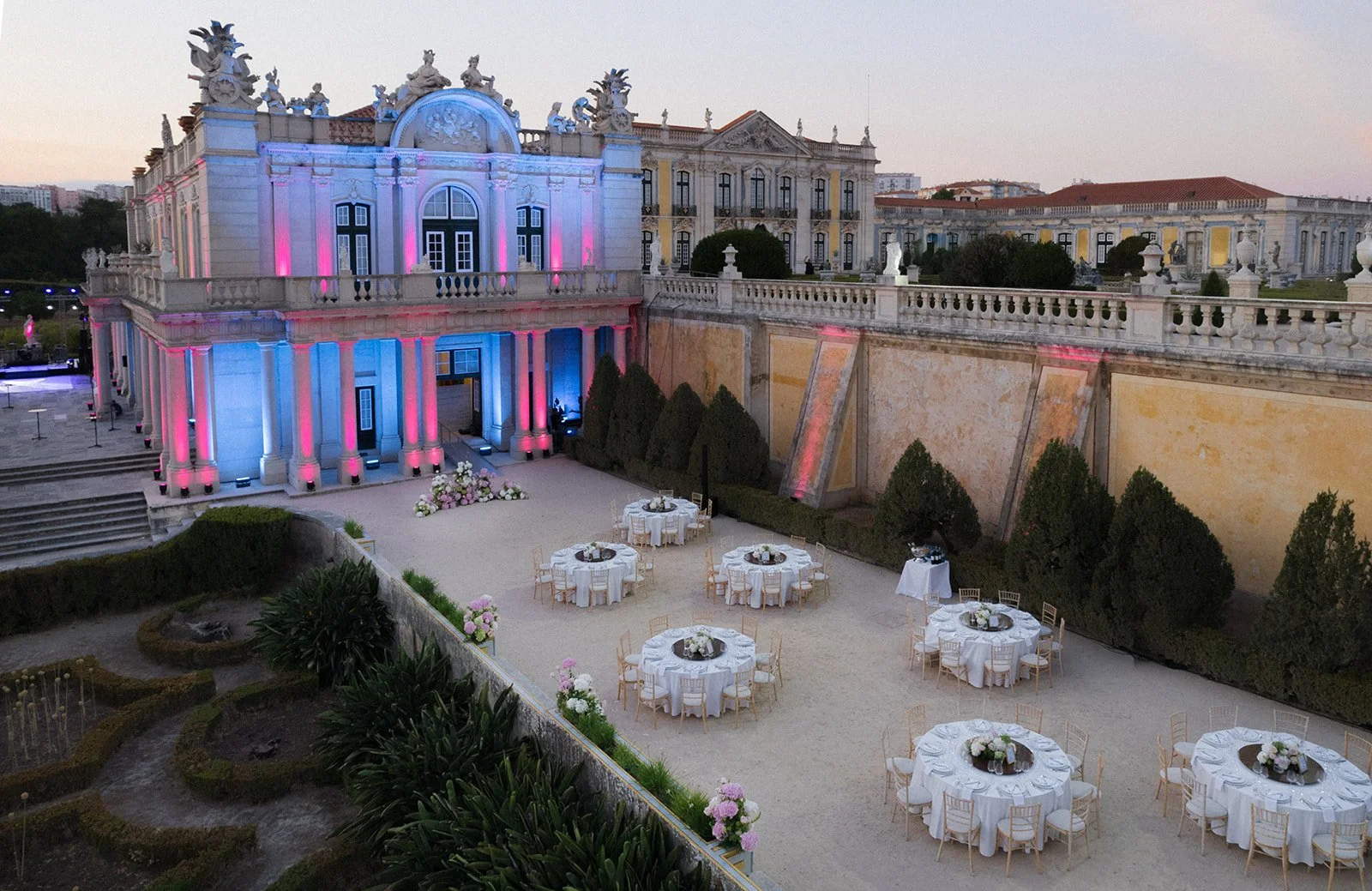
Civil vs Symbolic Weddings in Portugal
Many destination couples choose to complete the legal registration quietly at the Conservatória before or after the main celebration, and hold a symbolic or religious ceremony at their chosen venue on the wedding day itself. This approach is logistically simpler and gives couples full creative freedom over the ceremony: the officiant, the language, the vows, and the entire structure can be designed without constraint.
If the symbolic ceremony is held at a Catholic church, it carries automatic legal registration under the Portuguese Concordat. All other religious ceremonies must be separately registered. For couples from countries where specific legal forms are required to recognize a foreign marriage, checking with your home country's embassy or consulate before starting the process is strongly recommended.
What Happens After the Wedding?
Once the ceremony is complete, the marriage is registered in the Portuguese civil registry, and you receive a certidão de casamento (Portuguese marriage certificate). A few administrative points are worth noting after the ceremony.
Portugal's default matrimonial property regime is comunhão de adquiridos, meaning assets acquired during the marriage are shared equally. If either partner wants a different arrangement, a prenuptial agreement (convenção antenupcial) must be signed before the marriage in a separate notarial process. This is worth discussing with a local lawyer if either partner owns property in Portugal or has significant assets.
For couples who later move to Portugal, the marriage may open a path to Portuguese citizenship. Applications based on marriage are typically available after three years of residency in Portugal, or after six years if living abroad. The application requires demonstrable ties to Portugal, including language proficiency and social integration.

Frequently Asked Questions
How much does it cost to legally get married in Portugal as a foreigner?
Total legal costs for a civil marriage in Portugal typically range from €500 to €1,500 for couples where at least one partner is a foreign national. The Conservatória application fee is €200 to €300. Each document legalization runs €50 to €100 (covering apostille, certified translation, and notarization). Holding the ceremony at an external venue adds €100 to €300. An interpreter, if required, adds €100 to €200. For couples where both partners are foreign nationals with documents from two different countries, costs at the upper end of this range are more common.
How far in advance should we start the legal process to marry in Portugal?
Start the legal process at least four to five months before your wedding date. Document gathering and apostille certification in your home country takes two to eight weeks. Filing at the Conservatória takes one visit. The mandatory publication period is 30 days. Scheduling the ceremony after receiving the Certificate of No Impediment adds one to four more weeks. For couples with complex document situations or documents from countries outside the Hague Convention, starting six months in advance is a safer target.
Can two foreigners get legally married in Portugal?
Yes, two foreign nationals can get legally married in Portugal. Neither partner needs to be a Portuguese citizen or permanent resident. You must both appear in person at a Conservatória do Registo Civil to file the marriage application, and you must provide the required documents from both countries, all apostilled and translated into Portuguese. The process is the same as for any foreign couple; the document gathering phase may simply involve coordinating legalization from two different countries simultaneously.
What is the difference between a civil wedding and a symbolic wedding in Portugal?
A civil wedding at the Conservatória is the legally binding ceremony that creates a recognized marriage under Portuguese law. A symbolic wedding is a ceremony of your own design, at a venue of your choice, conducted by an officiant of your choice, in any language, with any vows. It carries no legal standing on its own. Most destination couples in Portugal either conduct the civil registration separately (before or after the main celebration) or hold both ceremonies on the same day at the venue, with the registrar present at the external location.
What sets The Lopes Photography apart for destination weddings in Portugal?
The Lopes Photography documents ten weddings per year, which means each couple receives full preparation and sustained attention throughout the process. Our work has been published in British Vogue, Vogue Arabia, Vogue Australia, and Tatler. We work across Portugal's main destination venues, from Atlantic coastal properties and Lisbon palaces to wine estates in the Douro and private estates in the Alentejo. Collections start from €10,000.
Navigating the legal side of a destination wedding is manageable when you understand the timeline and start early. Finding a reliable local legal contact for document legalizations and building the civil registration process into your broader planning calendar are the two things that make the difference between a smooth process and a stressful one.
If you are also thinking about photography, The Lopes Photography accepts inquiries for weddings across Portugal, Italy, and France. We document ten weddings per year at the editorial level, with collections starting from €10,000. You can read more about our approach to Portugal wedding photography or reach out directly to discuss your dates and vision.
For couples still exploring regions and venues, our guides to wedding venues in the Algarve and wedding venues in the Alentejo may also be useful as you plan.
