
THE REAL RISKS OF CHOOSING A WEDDING PHOTOGRAPHER ON PRICE
After photographing destination weddings across Portugal, Italy, and the south of France with work published in British Vogue, Vogue Arabia, and Tatler, we have spent many years watching couples navigate the decision of who to hire for their wedding photography. The question we hear most often from couples in the final stages of planning is not about shooting style or delivery timelines. It is about price. And the question underneath that question is always the same: what actually changes if we spend less?
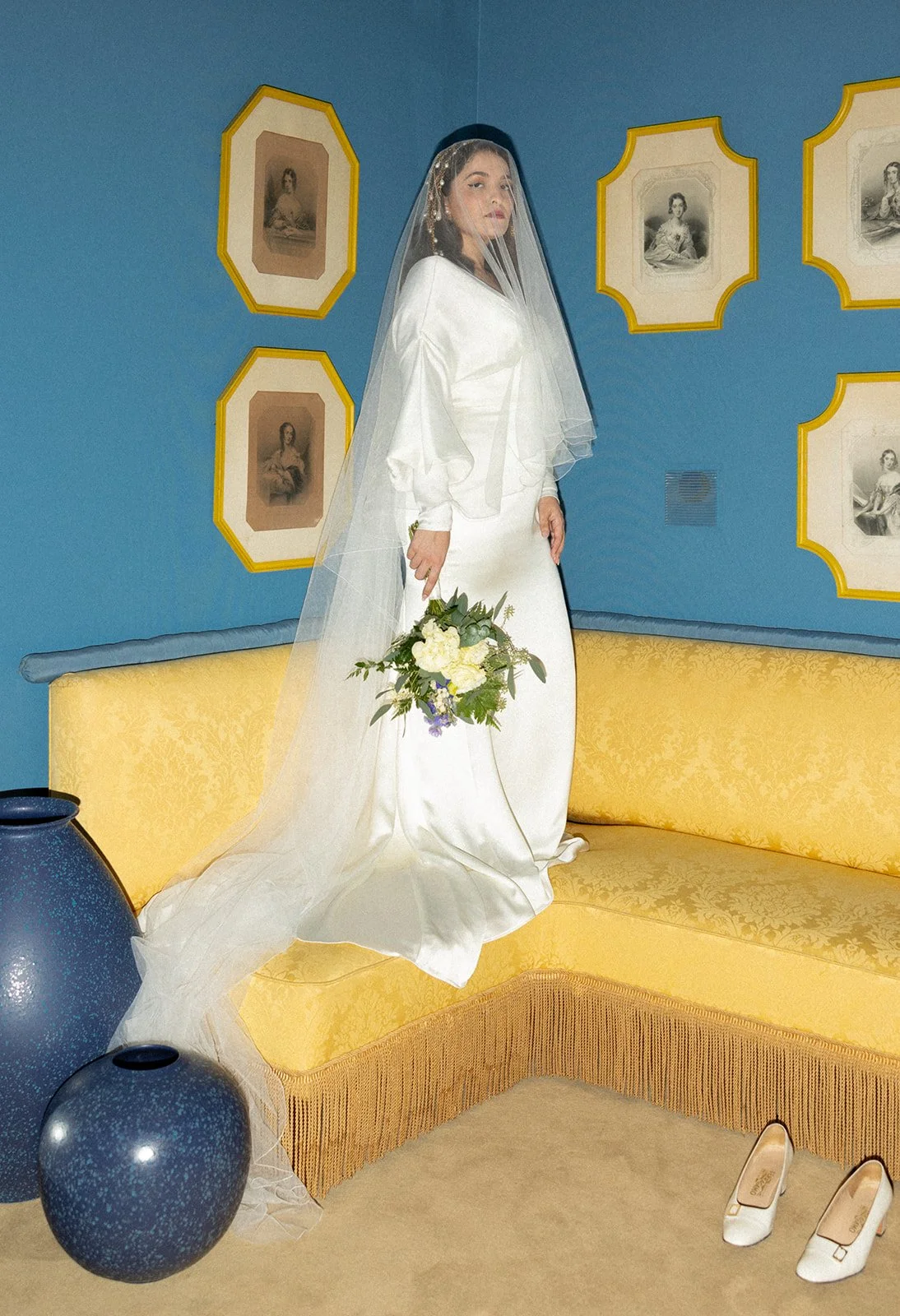
The honest answer is that the risk is not always visible on the wedding day itself. It surfaces later.
What "Good Enough" Feels Like Years Later
The risk couples take when choosing a wedding photographer on price alone is rarely visible in the moment. A photographer who charges less might deliver a full gallery. The images might look fine on a screen. The problem surfaces months or years later, when couples return to their galleries looking for a particular moment and find it missing or find a version of that moment that does not hold the way they remembered.
Wedding days are not reproducible. The light at five in the afternoon in a Lisbon interior will not return. The look on a father's face when he first sees his daughter in her dress will not be recreated. The instinct to know when to be in the right place, and how to frame what is there, is the skill that separates photographers. It is not something that shows up clearly in a price list.
The Moments That Cannot Be Reconstructed
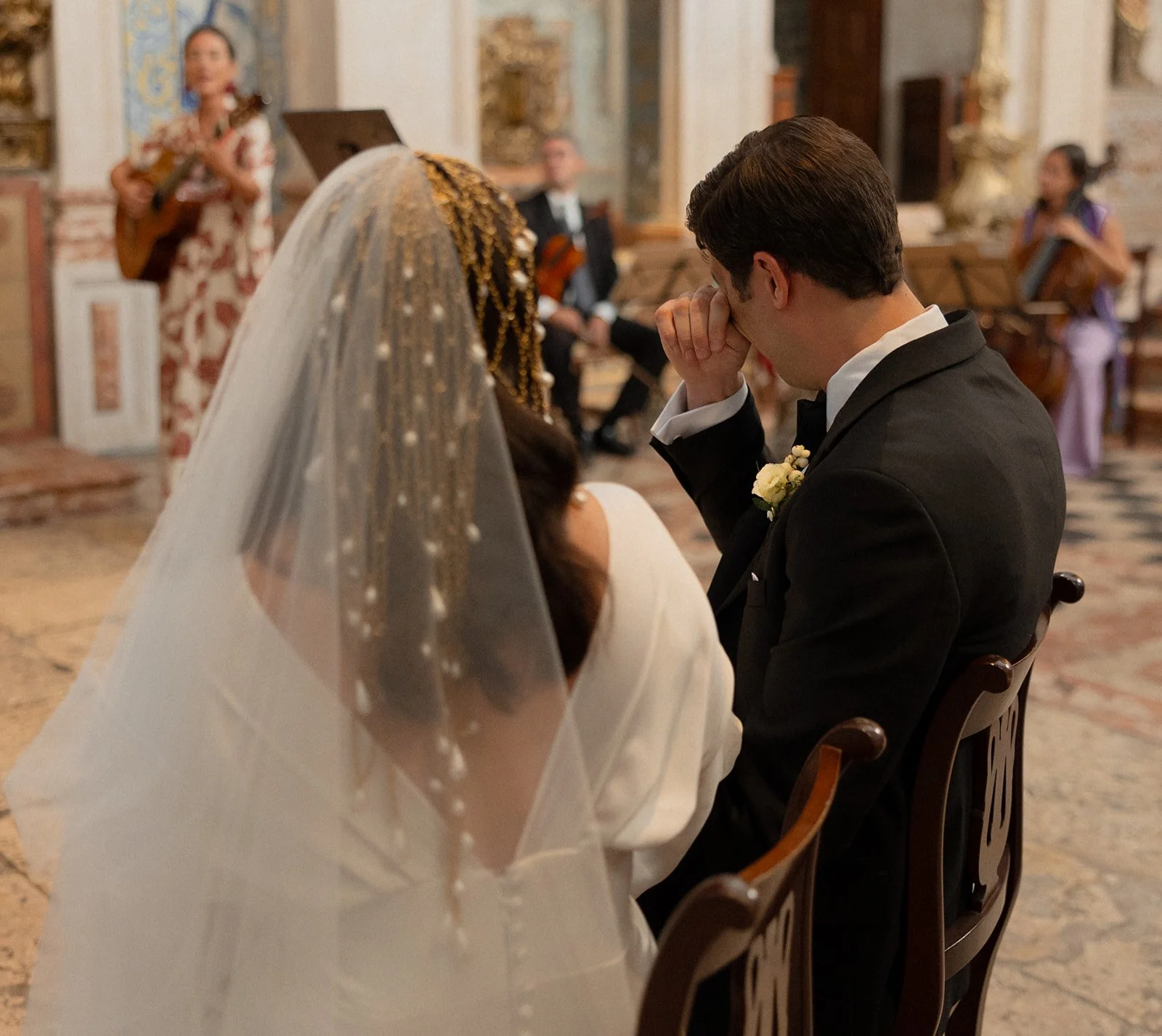
Professional-level wedding photography requires two things that are difficult to learn quickly: anticipation and restraint. Anticipation means reading a room before a moment happens. Restraint means knowing when not to intervene, when to hold still and let the moment breathe rather than redirect it.
Both of these qualities develop over years of shooting weddings, specifically high-pressure, fast-moving, emotionally charged events where every frame counts. A photographer who is still developing that skill set is not a bad photographer. But the difference shows up in the gallery you receive.
What tends to be missing in galleries from less experienced photographers is not quantity. Galleries are often very large. What is missing is the connective tissue: the quiet moment between your ceremony and your reception, the way your partner looked at you when they thought no one was watching, the detail of your grandmother's ring, the last ten minutes of the evening when the formality drops. These are the images that carry weight fifteen years later.
How Pricing Reflects What You Are Actually Buying
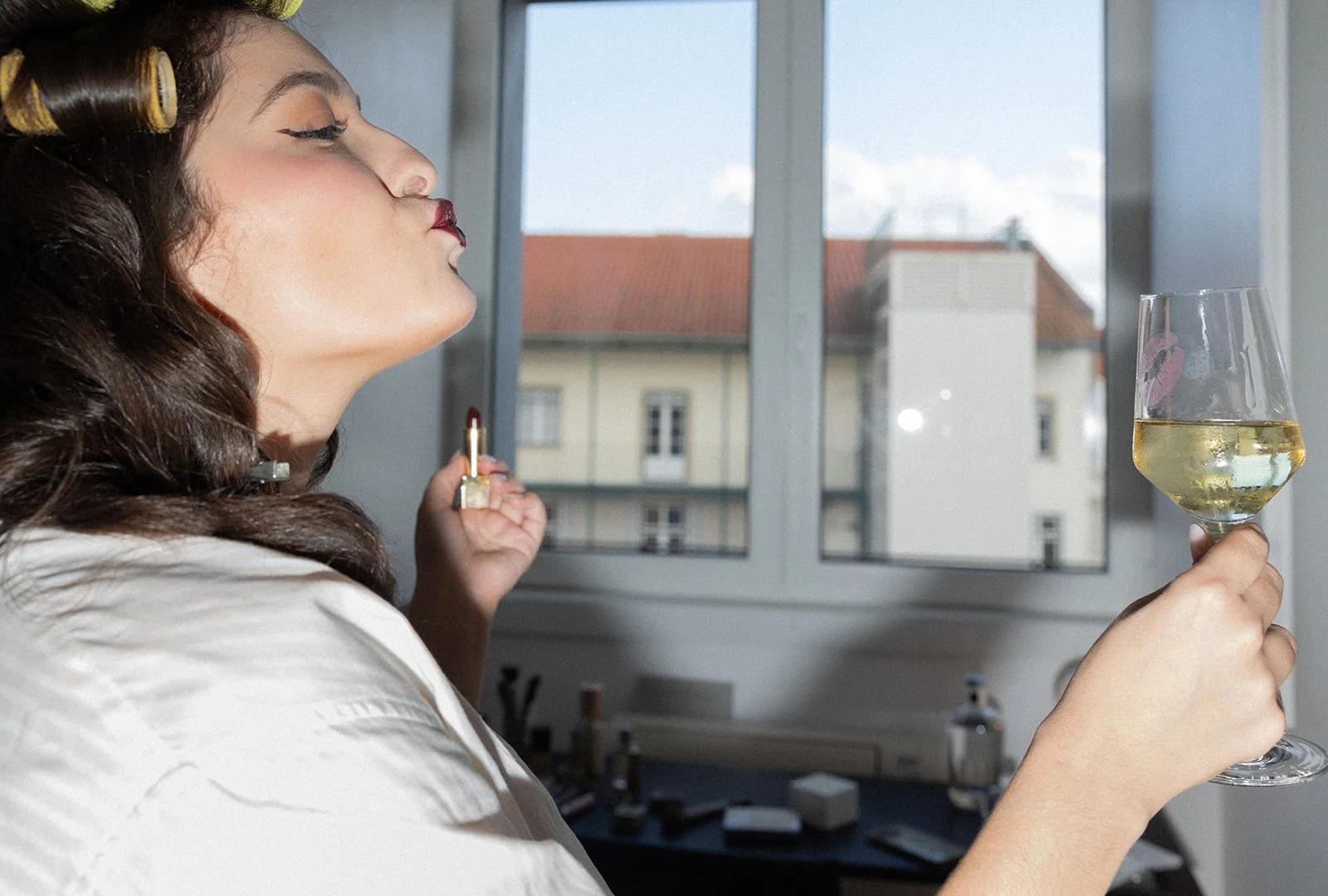
When a wedding photographer prices their work, they are pricing three things: their time on the day, their time in post-production, and the depth of their experience. At lower price points, one or more of these is compressed.
Post-production time is the most commonly compressed variable. A photographer who delivers 800 images in four weeks has spent fundamentally different time on each image than a photographer who delivers 500 images in ten weeks. The difference is in the consistency of color grading, the attention to skin tones, and the editorial decisions about what to include and what not to include. Editing is where a photographer's eye continues to work after the day is over, and it is where consistency either holds together or falls apart.
Experience is the other variable that does not appear in an invoice. A photographer who has shot forty weddings in historic European interiors has navigated forty sets of unpredictable light, forty compressed timelines, forty ceremonies with no rehearsal. That experience lives in reflex in what they do when the light changes suddenly or when the schedule shifts by thirty minutes.
None of this is visible in a pricing description. It is only visible in the work.
What Couples Tend to Regret
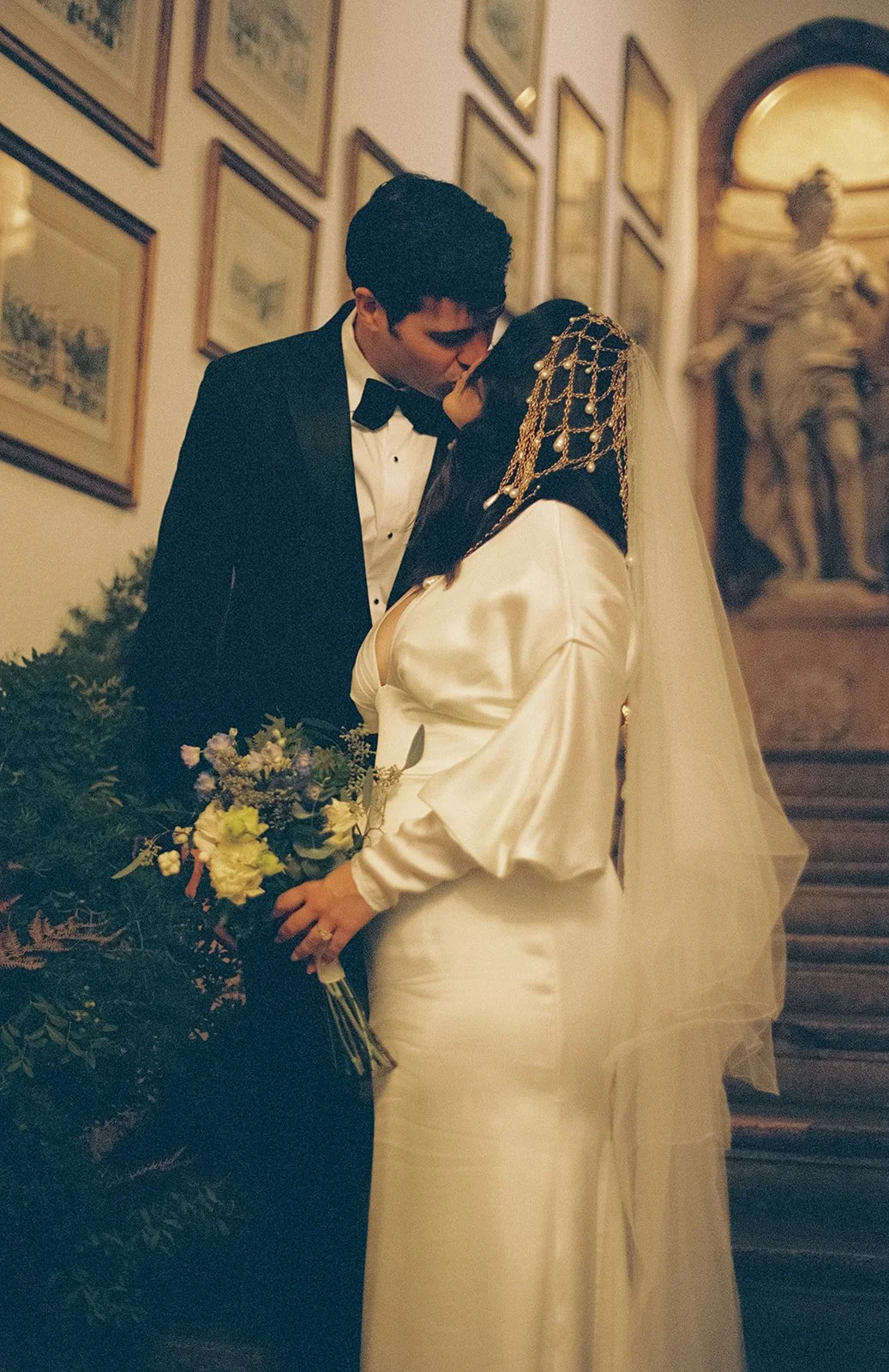
The pattern we observe most often among couples who chose their wedding photographer primarily on price is not that the photos are bad. The pattern is that the photos feel incomplete.
They remember moments from their day that they cannot find in their gallery. They remember what the room looked like, but the image of the room in their gallery does not quite match what they saw. They have many images of people smiling at the camera and very few of the moments in between.
The second pattern is inconsistency. When a gallery is edited without a coherent visual direction or when the editing was rushed, the images do not hold together as a set. A photo from the ceremony looks different from a photo from the reception, which looks different again from a photo taken outside. The gallery loses its identity as a document of a single day.
These are not catastrophic outcomes. The photographs exist. But they are the photographs that stay in a folder on a hard drive rather than the ones that end up framed, printed, or sent to family. Over time, they are the ones that couples quietly wish they had approached differently.
What to Evaluate Instead of Price
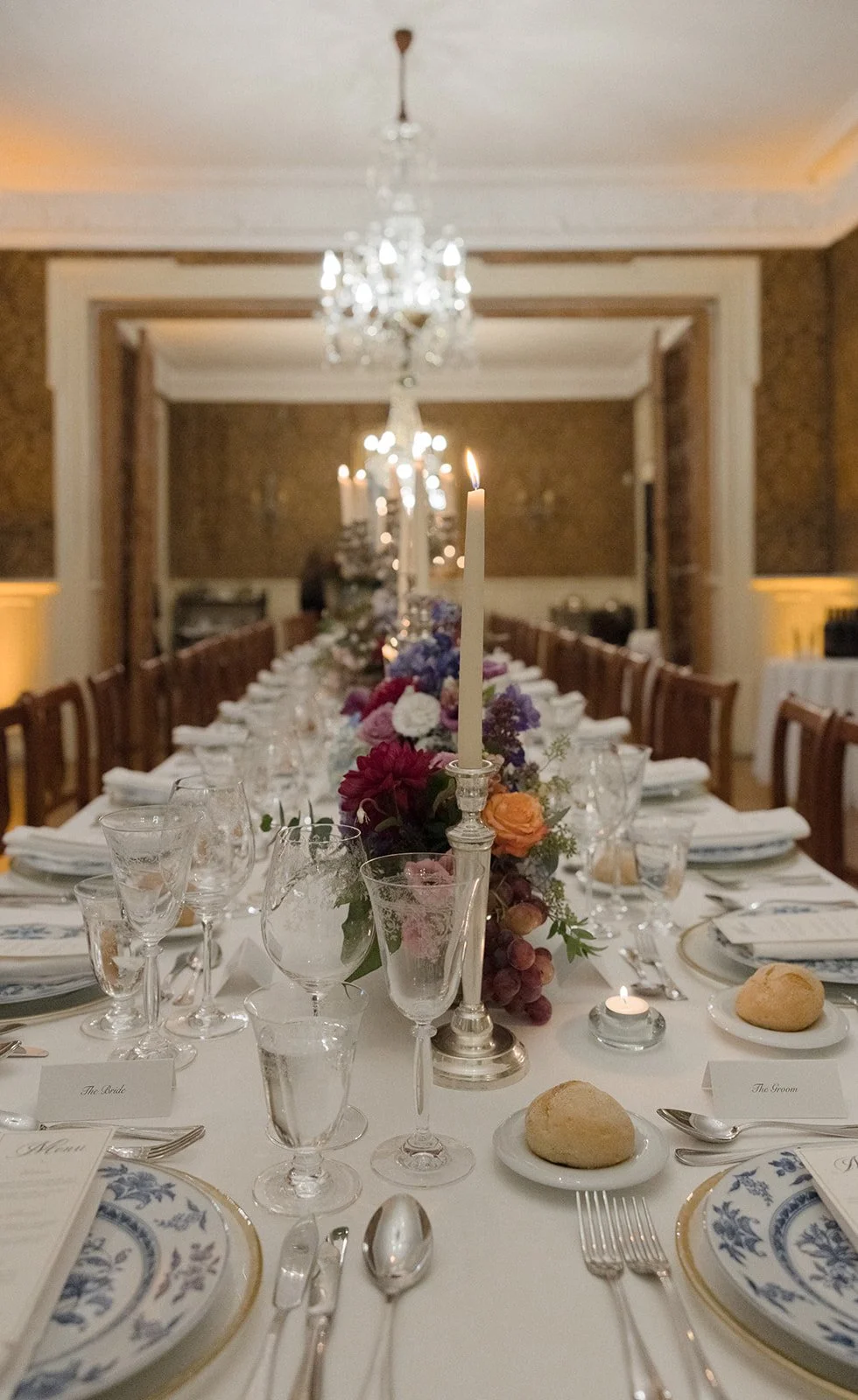
The question to ask when reviewing a photographer's portfolio is not whether the images are beautiful. It is whether the images are consistent. Pull ten images at random from different parts of a gallery -- ceremony, portraits, reception, details. Do they feel like they were made by the same person? Is the light handled with the same approach across different environments? Are the quieter moments given the same weight as the more dramatic ones?
The second question is whether the photographer has shot in environments similar to yours. Not identical, but similar in terms of light conditions, scale, and formality. A photographer who works primarily at outdoor summer weddings will face a learning curve in a Lisbon historic interior in November.
The third question is what the relationship feels like before the contract. A photographer you feel comfortable with on the day will capture things that a photographer you feel awkward around never will. That comfort has a direct effect on what ends up in the gallery.
Price is a real consideration. But it is a starting point, not a conclusion. The question is not which photographer you can afford. It is which photographer will deliver a gallery you return to.
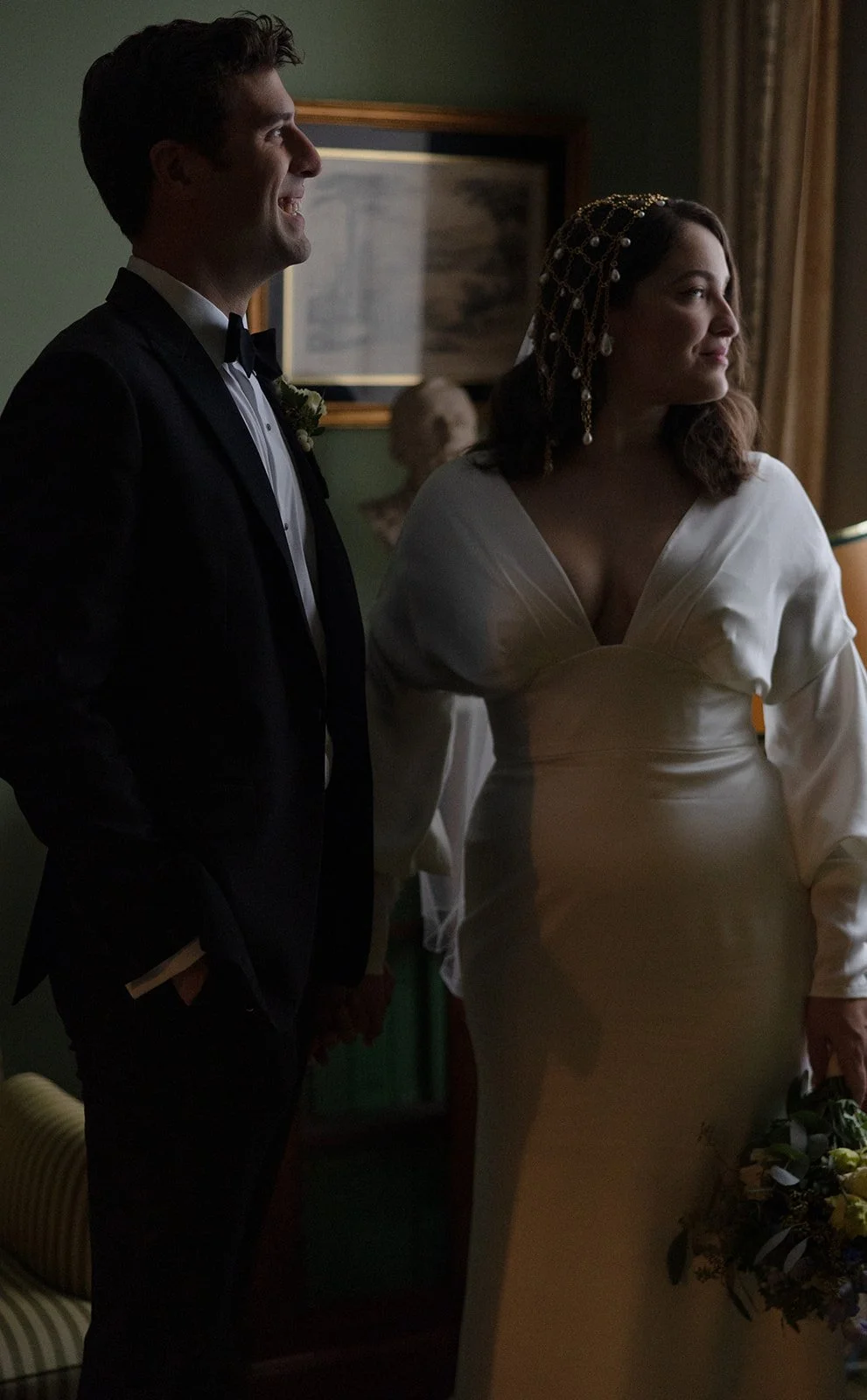
We photograph a limited number of weddings each year, ten at most, in Portugal, Italy, and across Europe. Our work has been published in British Vogue, Vogue Arabia, and Tatler. If you are at the stage of deciding who to trust with your wedding photography and have questions about how we work, you can reach us through our contact page. You may also find it useful to read our comparison of what changes between a budget of €3,000 and €10,000.
Frequently Asked Questions
Does price really matter that much when choosing a wedding photographer?
Price matters as a signal, not as a decision criterion. What price tells you is roughly what level of experience, time investment, and post-production the photographer can sustain. A price that is very low relative to the market often means that one of those elements is compressed. What price does not tell you is whether the photographer's eye, style, and approach match what you are looking for. That requires looking at the work.
What is a reasonable budget for a wedding photographer in Portugal?
For couples planning destination weddings at historic venues in Lisbon or Porto, professional coverage from an experienced photographer typically starts at around 4,000 to 5,000 euros and rises from there based on experience level, coverage hours, and what the photographer includes in their process. We cover this in more detail in our article on what separates a €3,000 and a €10,000 wedding photographer.
How do I know if a photographer has enough experience?
Ask to see complete galleries rather than portfolio highlights. A portfolio is curated -- it shows the best moments from many weddings. A complete gallery shows what the photographer actually delivers across a full day. Pay particular attention to the quieter moments: getting-ready coverage, candid moments during dinner, the end of the night. These are where experience shows most clearly, because they are the hardest to manufacture.
Can you tell from a single meeting whether a photographer is a good fit?
Usually, yes. The questions a photographer asks you before a contract -- about your day, your family dynamics, the specific venue conditions, what matters most to you -- reflect their process. A photographer focused primarily on closing a booking will ask different questions than one focused on understanding your wedding. Trust that instinct.
How many weddings per year should a photographer take on?
There is no universal number, but high volume and high quality are difficult to sustain simultaneously. Post-production requires real time, and that time is finite. We photograph a maximum of ten weddings per year, which allows us to give each wedding the editing attention it deserves. That limit is not a marketing detail. It is a production decision.
