
WHAT COUPLES GET MOST NERVOUS ABOUT IN WEDDING PHOTOGRAPHY
After photographing more than sixty weddings across Portugal, Italy, and France, with work published in British Vogue, Vogue Arabia, and Tatler, we can say with confidence: almost every couple arrives at their wedding day carrying at least one thing they are nervous about. That is not a problem. It is proof that this day matters to them.
The photography worries we hear most often follow a pattern. Five themes come up again and again, across countries and venues and personalities. Below is what those worries actually are, and what we do about each of them.
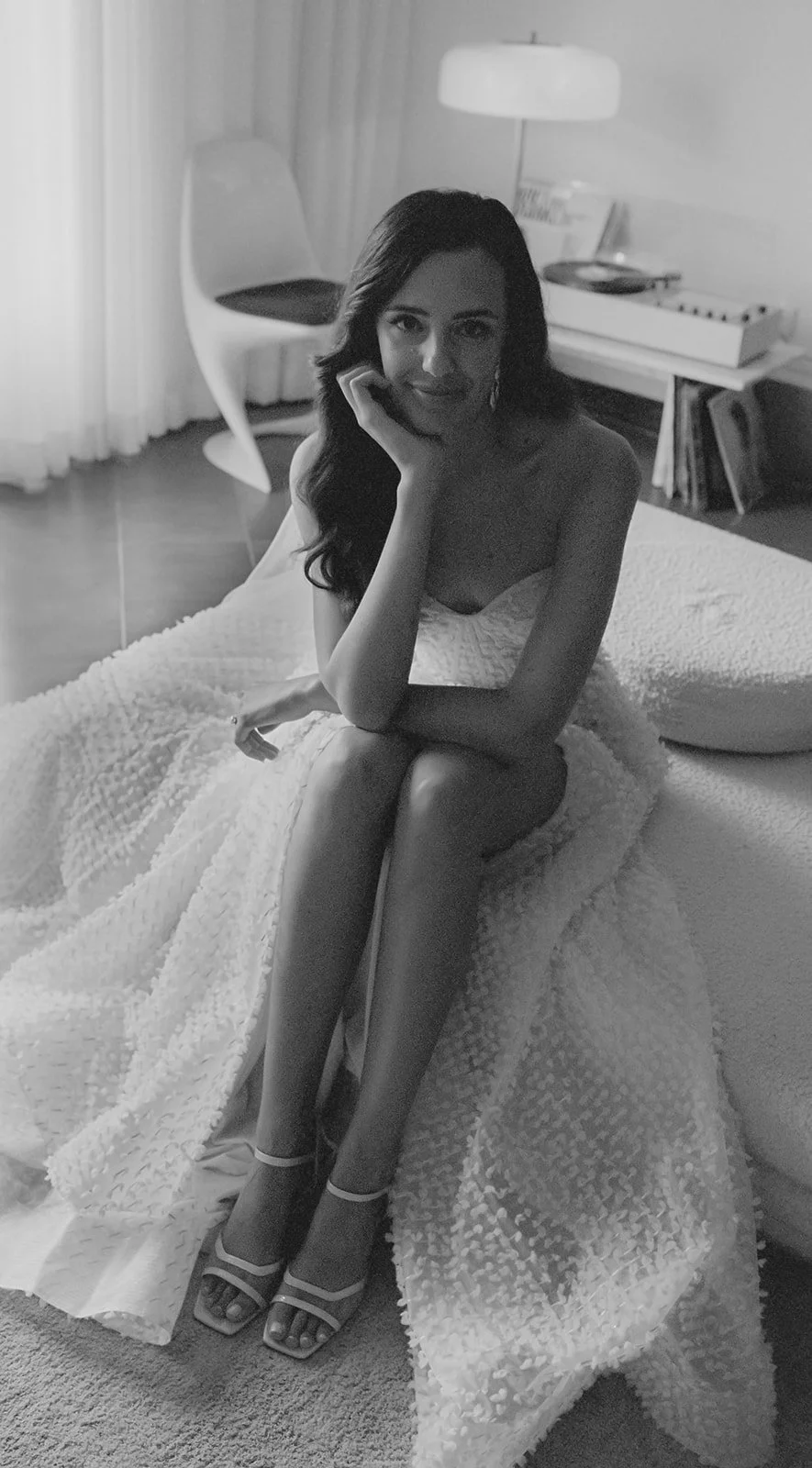
Looking Stiff and Unnatural in Every Photo
The most common fear destination couples share is that they will look posed. Almost every couple who reaches out mentions it in some form: "We are not models," "We are awkward in photos," "We do not know what to do in front of a camera." This is the worry we hear more than any other.
Our approach is not to eliminate posing, but to eliminate the feeling of posing. We spend the first portion of every wedding day building a working relationship with the couple, not photographing them. By the time we reach portraits, the camera is no longer new. The anxiety of "what do I do with my hands" gives way to something more natural: conversation, movement, the kind of physical ease that only comes from forgetting you are being photographed.
For couples who are particularly camera-shy, we build in a fifteen-minute buffer before the portrait session begins. That time is used to walk the property, talk through the evening plan, and simply be together in the space before we start shooting. The difference in the resulting photographs is significant. We have photographed couples who spent their entire engagement saying they were terrible in front of a camera. None of them still believed that by the end of their wedding day.
If this specific concern is something you are navigating, our guide on working with camera-shy couples goes into considerably more detail about the techniques we use from the first hour of the morning through portraits.
What Happens When the Weather Does Not Cooperate
The second worry we hear most often involves weather, and it is almost always expressed the same way: "What if it rains?" In Portugal, where most of our weddings take place, rain during ceremony months is rare. Between May and October, cloudy or overcast days are far more common than rain, and overcast light is, in many cases, better for portraiture than direct afternoon sun.
When the weather does change mid-day, we adapt the timeline rather than the outcome. Portugal's Atlantic coast produces fast-moving weather patterns, and a sky that looks threatening at four in the afternoon often clears by six. We have photographed weddings where an afternoon cloud cover gave way to the longest golden hour of the season.
The photographs we consider our strongest work were not made on days with perfect conditions. They were made on days when something unexpected happened, and we responded to it. Weather is not an adversary. It is part of the visual atmosphere of the day, and in Portugal, even overcast light over the Atlantic coastline produces photographs with a quality that is genuinely difficult to manufacture on a cloudless afternoon.
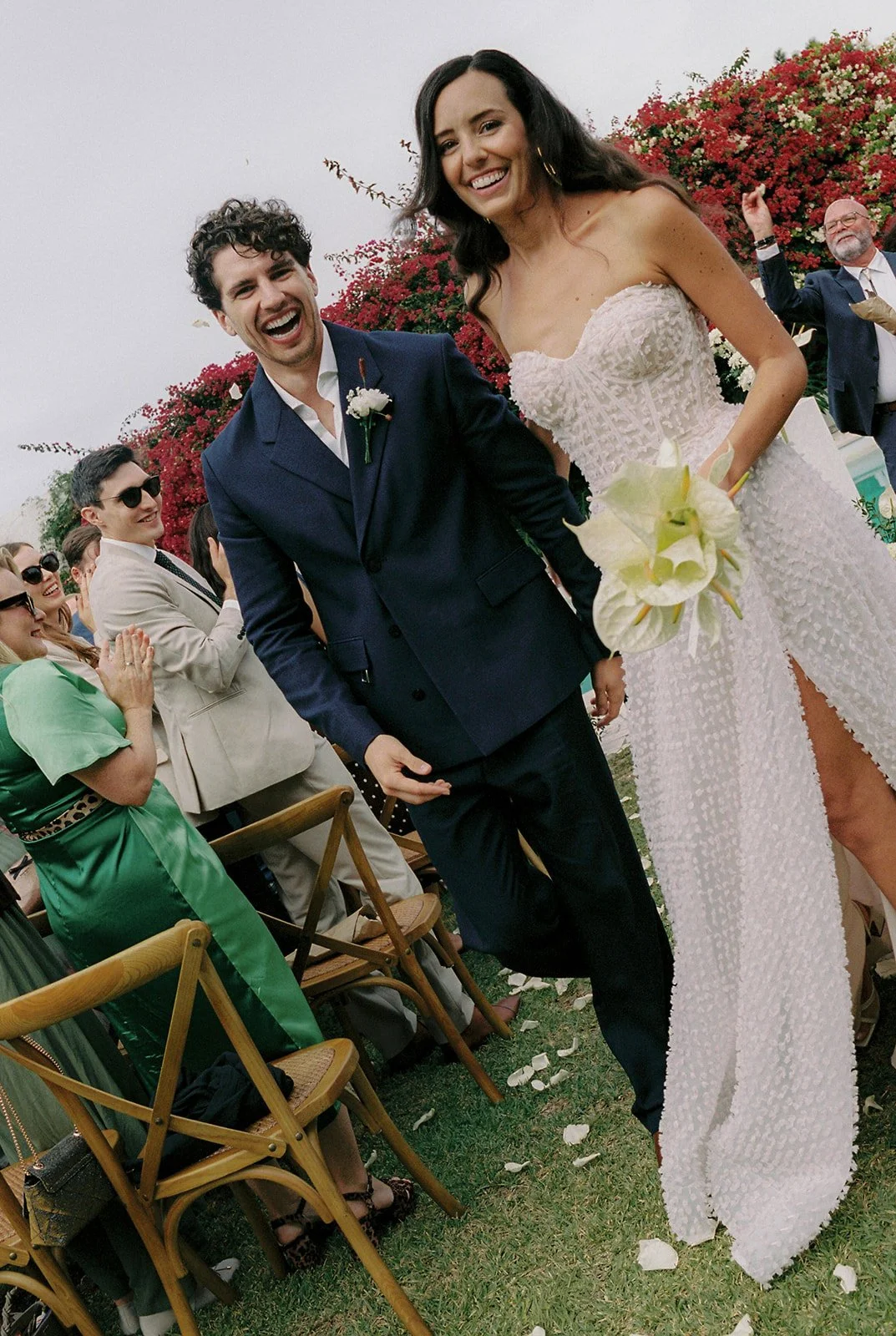
Running Out of Time Before the Light Disappears
The third worry couples share is about time. They have heard from friends that portrait sessions felt rushed, that they were pulled away from guests for longer than planned, or that the best light disappeared before they were ready. These concerns are valid, and they are among the reasons we insist on receiving the full wedding day timeline at least twelve weeks before the event.
We work with the couple and their planner to build a portrait window into the schedule that accounts for travel between locations, dress changes if applicable, and at least twenty minutes of buffer at either end. Our portrait sessions typically run between thirty and fifty minutes. That is enough time to produce the photographs that matter, without removing the couple from their own celebration for an uncomfortable length of time.
The light in Portugal from April through October holds until between eight and nine in the evening. For a late-afternoon ceremony starting at four or five, this means portraits in golden or blue hour are almost always available without any structural changes to the timeline. The more detailed your timeline before the day, the less pressure you will feel during it.
For couples planning multi-day celebrations, the portrait time question becomes even simpler: there is a second opportunity, and usually a third. We go into this further in our article on why multi-day coverage changes the entire experience.
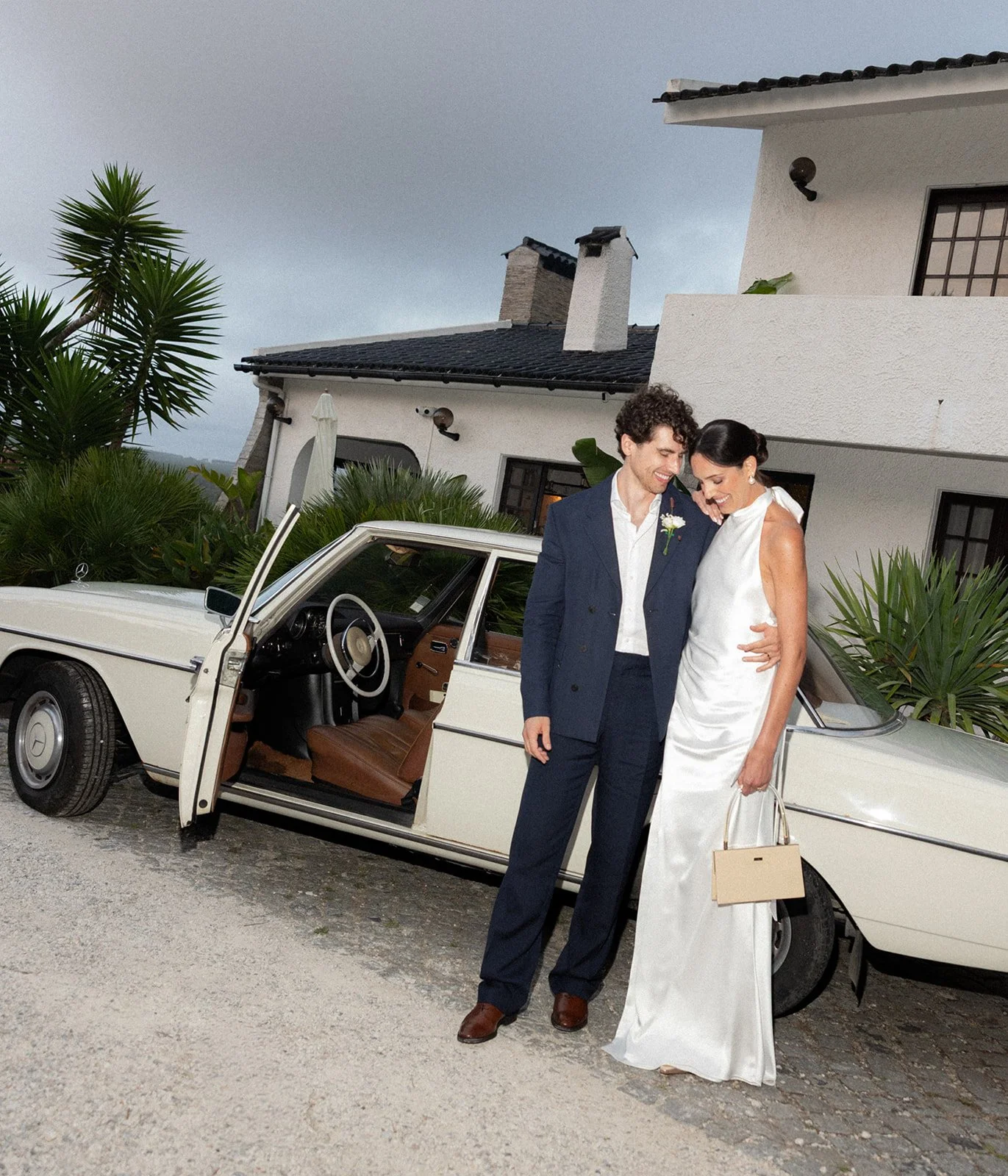
Not Knowing What to Do or Where to Look
Couples who have never had professional photographs taken often describe a specific anxiety: they do not know where to look, what to do with their hands, or how to move naturally. They have a mental image of what a photographed couple is supposed to look like, and they feel certain they cannot produce it.
We do not photograph static people. Our portraits are built around movement and interaction, not position. We might ask a couple to walk slowly through a corridor, or to sit and talk through something specific about the evening ahead. The lens records what happens in between those moments, not during them. A spontaneous laugh during a transition between two poses produces a better photograph than the pose itself.
For couples who genuinely do not know where to start, we share a short document before the wedding that describes how a portrait session with us actually works: what we will ask, roughly how long each moment lasts, and what they do not need to think about at all. Knowing the shape of the session reduces the anxiety of the unknown considerably. The couples who tell us afterward that they were surprised by how natural it felt almost always had that document in advance.
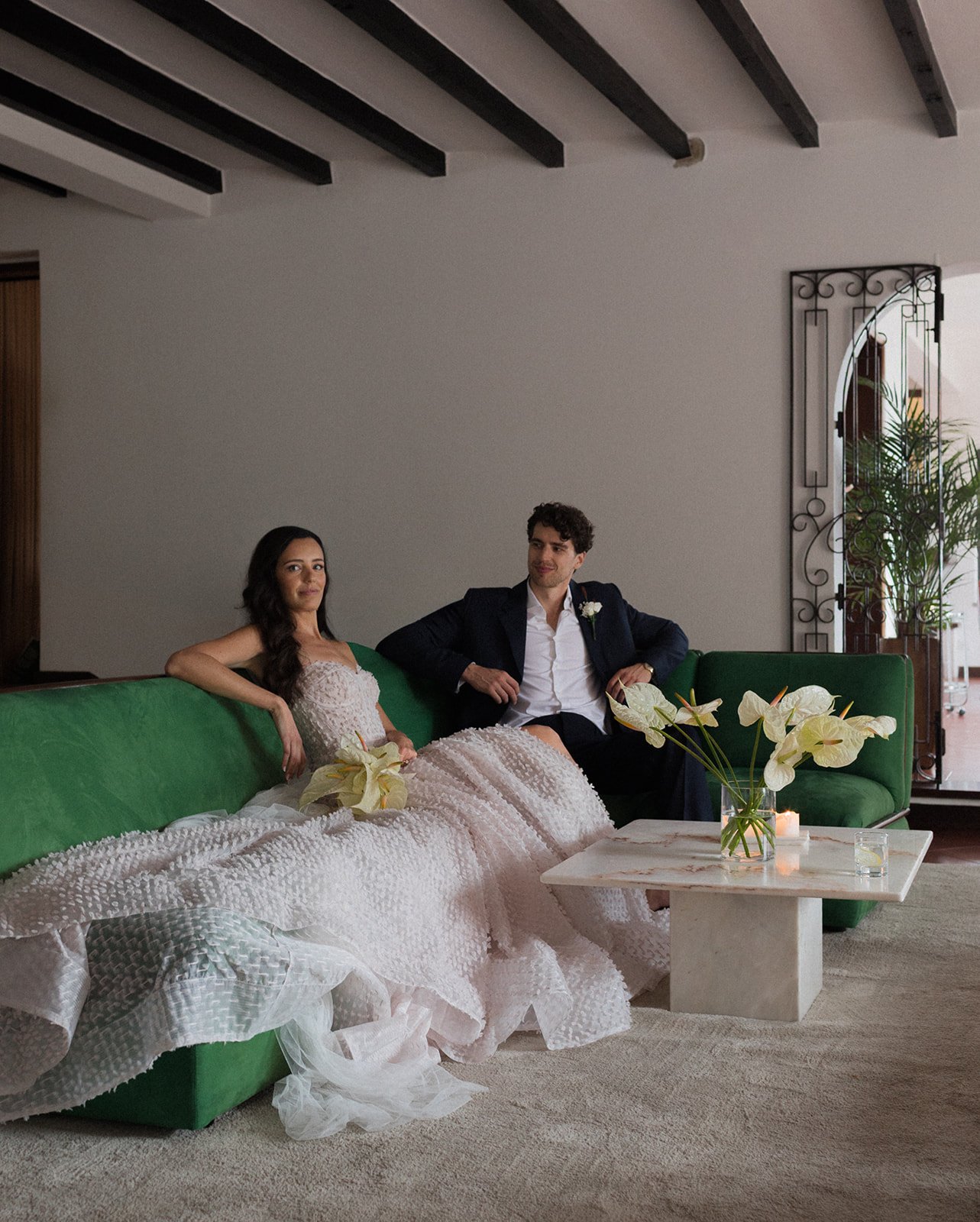
Getting Too Emotional to Be Present
The final worry we hear from almost every couple is about their own emotions. The fear is not that they will feel something, but that feeling it will make them look a certain way, or prevent them from being composed at the moments that matter most.
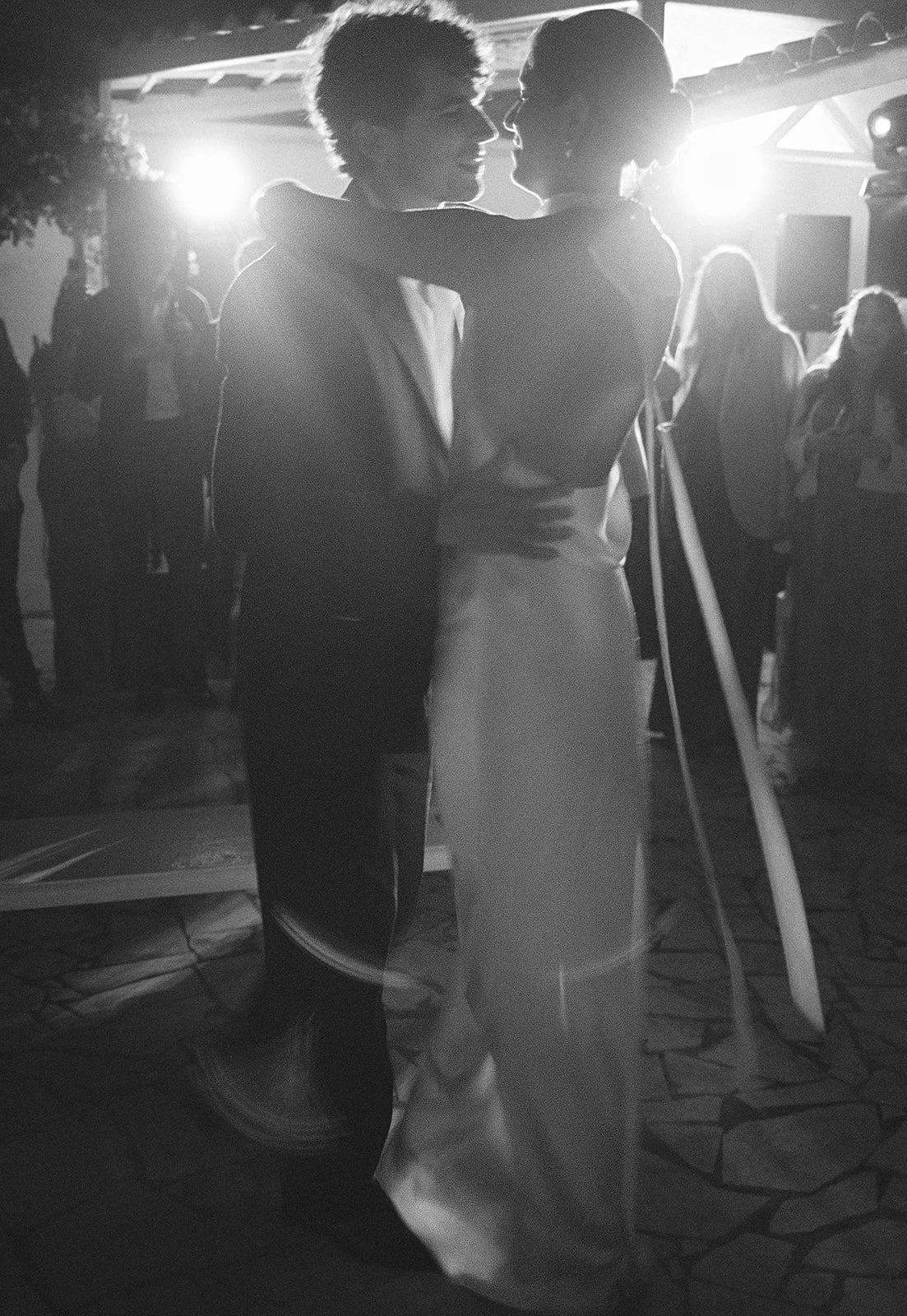
The photographs couples display most often are not the composed ones. They are the photographs taken in the thirty seconds after an exchange of vows, when the day has become real, and neither person is thinking about anything except the other. That is not a moment to recover from. It is the moment we are photographing toward.
We do not rush emotional moments. If a first look takes longer than the timeline allows, the timeline adjusts. The purpose of a schedule is to protect the moments inside it, not to override them. Our approach throughout the day is to hold space for whatever is actually happening, and to build the photography around that, rather than asking the couple to contain their day inside a predetermined shape.
For couples who are particularly concerned about this, the most useful thing we can offer is a call two weeks before the wedding to walk through the day, talk through anything that is weighing on them, and confirm that we are ready together. By the time the day arrives, the nervousness has usually already done its work.
What Actually Resolves Nervousness on the Day
The couples who arrive the most nervous are not always the couples who stay nervous. Almost universally, the anxiety dissolves in the first hour of the morning. Getting ready is not a ceremony. It is a conversation, coffee, the slow assembly of the day. By the time we are in the room with them, the nervousness is already being replaced by something else: the recognition that this is actually happening, and that it is exactly what they wanted.
After photographing more than sixty destination weddings across Portugal, Italy, and France, and with work published in British Vogue and Tatler, we know that the most meaningful photographs from any day are never the ones made when everything was perfectly controlled. They are the photographs that captured something true. Nervousness is not the opposite of that. It is often the beginning of it.
We photograph ten weddings per year, from €10,000, and are available for destination weddings across Portugal, Italy, and France. If you are in the early stages of planning and want to talk through what the day would look like with us, our contact page is the right place to start. You can also see our full range of services if you are still deciding what kind of coverage fits your day.
Frequently Asked Questions
Should I tell my photographer what I am nervous about before the wedding?
Yes. Sharing your specific concerns before the wedding day gives your photographer the information they need to structure the day around them. If you are worried about a particular moment, a specific location, or how you tend to behave in front of a camera, tell us early. We use that information directly in how we plan and approach your day, from the morning schedule through the portrait session structure.
What if I genuinely do not like how I look in photographs?
Most people who say they do not like how they look in photographs have seen photographs made of them in conditions that did not serve them: unflattering angles, harsh light, or moments when they were caught off guard. Photographs made with intentional light and deliberate framing look different. The majority of couples who arrive with this specific concern leave with photographs they genuinely want to look at and, in most cases, display.
Do you work with couples who are completely camera-shy?
Yes, and we have written about this in detail. Our article on working with couples who do not like being photographed explains the approach from getting ready through portraits. The short answer is that camera-shyness produces very different photographs from the ones people expect it to produce, and most of those photographs are better for it.
How early before the wedding can I share my concerns with you?
As early as you want. Our preferred window for couples sharing concerns is between eight and twelve weeks before the wedding, when we begin finalizing the day timeline. But if something comes up the week before, we are available. Most concerns take five or ten minutes to address and meaningfully change how the day is structured.
